Embracing sustainability in agriculture requires innovative approaches to energy management. By integrating renewable sources, modern farms can enhance efficiency, reduce costs, and strengthen resilience to climate challenges. This article explores the role of renewable energy in farming, offers practical suggestions for implementation, and highlights strategies to foster a thriving, eco-friendly agricultural sector.
Benefits of Renewable Energy in Agriculture
Adopting clean energy systems brings multiple advantages to the agricultural sector. Far beyond simple electricity generation, renewables transform operations, drive down expenses, and align farming with global environmental goals.
Lowering Operational Expenses
Traditional energy bills often constitute a major share of a farm’s budget. Switching to solar panels or wind turbines can substantially cut utility costs over time. Although initial capital outlay may be significant, government incentives, tax credits, and long-term savings make investments highly appealing.
Reducing Carbon Footprint
Farming practices contribute notably to greenhouse gas emissions. Integrating renewable energy systems directly reduces reliance on fossil fuels and helps farmers achieve carbon-neutral targets. This not only supports international climate agreements but also enhances marketability, as consumers increasingly demand biodiversity-friendly products.
Enhancing Energy Security
Remote farms frequently face grid reliability issues and high transmission costs. On-site energy generation ensures uninterrupted power supply, minimizing downtime for critical operations such as irrigation, refrigeration, and biogas production. This independence builds resilience against price volatility and supply disruptions.
Key Renewable Energy Technologies
Understanding the main types of renewable solutions is crucial for tailoring strategies to individual farm needs. Each technology offers unique benefits and can be adapted to various scales and climates.
Solar Photovoltaics
- Installation on rooftops or ground-mounted arrays
- Ability to power pumps, lighting, and equipment
- Potential to pair with battery storage for round-the-clock energy
Wind Energy
- Small-scale turbines suitable for open fields
- High energy yield in consistently windy regions
- Low maintenance costs once installed
Biomass and Biogas Systems
Organic waste—from crop residues to livestock manure—can be converted into cost savings through anaerobic digestion. Biogas plants produce methane that fuels generators, while the digestate serves as nutrient-rich fertilizer.
Hydroelectric Power
Micro-hydro installations on streams or irrigation channels can deliver steady power in hilly terrain. Although site-specific, these systems offer long lifespans and minimal operational costs.
Practical Tips for Implementation
Transitioning to renewables requires careful planning and execution. The following suggestions can help farmers maximize benefits and avoid common pitfalls.
Conduct an Energy Audit
Begin with a comprehensive assessment of current energy usage. Identify high-consumption processes such as pumping, heating, and ventilation. An audit provides a clear baseline and highlights the most impactful areas for renewable integration.
Leverage Available Incentives
Many governments and utilities offer grants, rebates, or low-interest loans. Research regional programs and apply early. Combined with cost-effective financing, incentives can dramatically shorten payback periods.
Optimize System Sizing
Over-sizing leads to unnecessary expenses, while under-sizing reduces effectiveness. Match system capacity to realistic demands. Consider future expansion if farm operations are expected to grow.
Incorporate Smart Monitoring
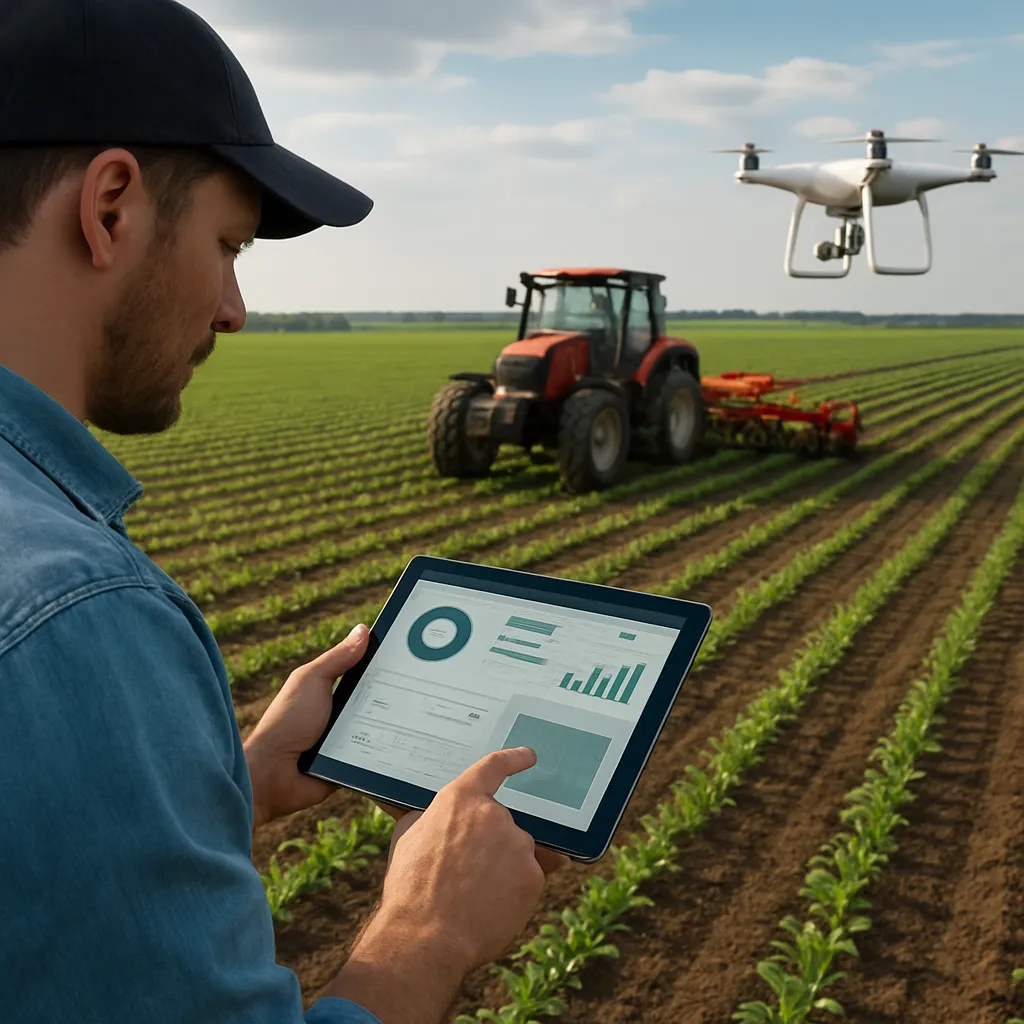
Deploy sensors and data platforms to track energy production and consumption in real time. Monitoring helps identify inefficiencies, schedule maintenance, and adjust operational patterns to minimize waste.
Sustainable Farming Practices and Future Outlook
Integrating renewables is part of a broader effort to foster sustainable agriculture. Embracing holistic practices amplifies benefits, paving the way for a resilient, eco-conscious food system.
Agrovoltaics: Dual Land Use
Combining solar arrays with crop cultivation allows simultaneous energy and food production. Tall-panel systems provide shading for heat-sensitive crops, improving water retention and reducing heat stress.
Energy-Efficient Machinery
- Electric tractors and vehicles powered by on-farm solar
- Automated irrigation systems that adjust flow based on soil moisture
- LED lighting in greenhouses to lower electricity consumption
Collaborative Energy Cooperatives
Smallholders can form cooperatives to pool resources for larger renewable projects. Shared investments reduce individual risks and foster community engagement. Such partnerships strengthen local economies and knowledge sharing.
Scaling for the Next Generation
As younger farmers seek operations centered on innovation, renewable energy becomes a key attraction. Demonstrating innovation through clean technologies can improve competitiveness, attract talent, and secure long-term viability.
Empowering agriculture with renewable energy reshapes the way food is grown, providing economic, environmental, and social benefits. By carefully evaluating needs, leveraging technology, and adopting best practices, farms can harness the full potential of clean energy to thrive in a changing world.