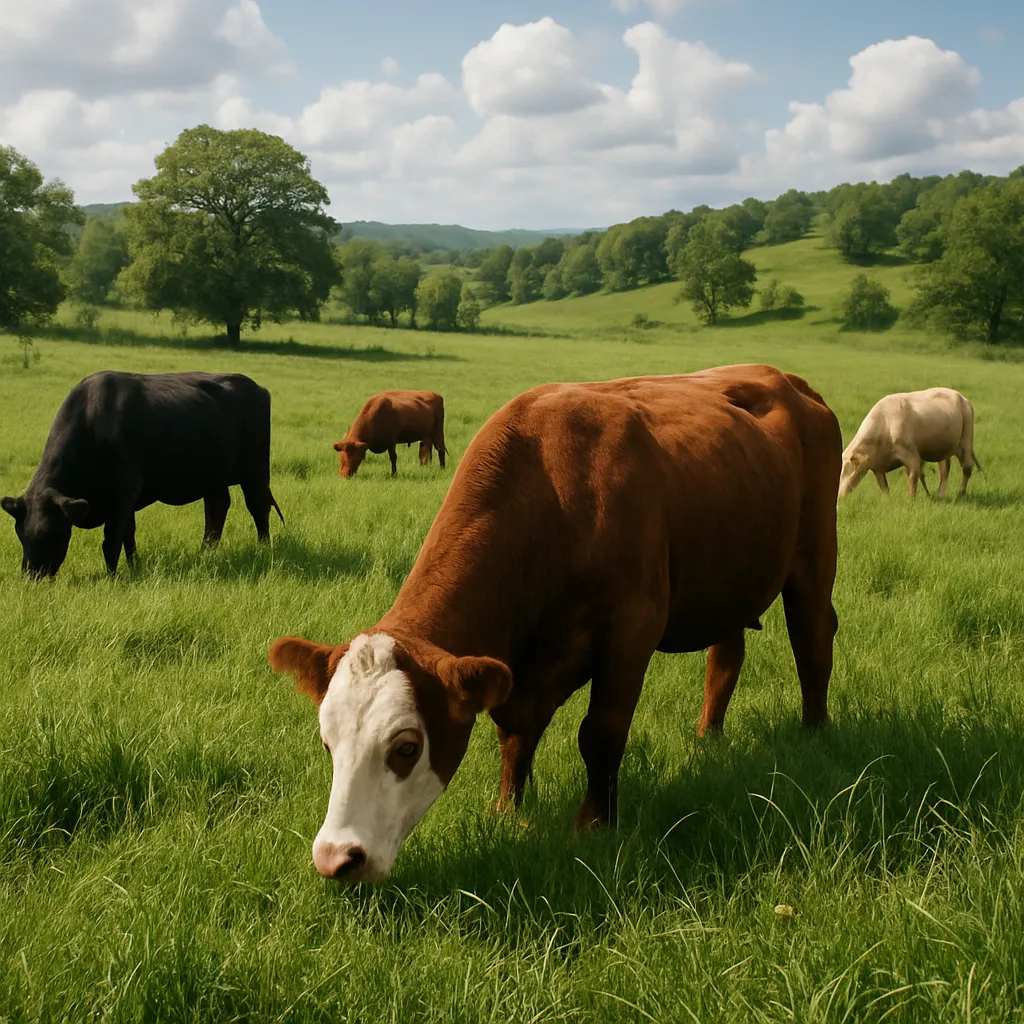
Creating a thriving farm ecosystem requires careful planning, **biodiversity**, and a commitment to sustainable practices. By focusing on **soil** health, water management, and the smart **integration** of crops and animals, you can build a system that not only produces abundant yields but also regenerates itself year after year. Below are essential strategies and practical **agriculture** tips to help you develop a self-sustaining operation.
Designing a Diversified Landscape
One of the hallmarks of a resilient farm is its variety of plants and habitats. A **diversified** landscape mimics natural systems, reducing pests, improving **resilience**, and supporting wildlife.
Understanding Permaculture Principles
- Observation: Spend time watching sun patterns, wind flow, and water drainage before planting.
- Zones: Arrange your farm into zones based on how often you visit them, from the kitchen garden to distant woodlots.
- Stacking Functions: Choose plants and animals that perform multiple roles—food production, pest control, and soil enhancement.
Implementing Agroforestry
Combining **trees** with annual crops or pasture can yield numerous benefits:
- Shade for livestock and understory plants
- Windbreaks that reduce erosion
- Additional revenue from nuts, fruit, or timber
Agroforestry creates layered habitats that support pollinators, beneficial insects, and microbial communities.
Creating Habitat Corridors
Linking woodland patches, hedgerows, and ponds allows wildlife to move freely, enhancing **biodiversity** and natural pest control. Simple steps include planting native shrubs, installing bird boxes, and leaving buffer strips around fields.
Maintaining Soil Health and Fertility
Healthy soil is the foundation of a self-sustaining farm. A rich, well-structured soil supplies nutrients, retains moisture, and supports a dense community of **microbes** that break down organic matter.
Building Organic Matter
- Compost application: Incorporate well-aged compost each season to boost nutrient levels.
- Green manure: Grow cover crops such as clover or vetch, then plow them under to enrich the soil.
- Mulching: Straw, wood chips, or living mulches protect the surface and feed earthworms.
Crop Rotation and Cover Cropping
Clever rotation plans interrupt pest cycles and balance nutrient demands:
- Legume phases to fix atmospheric nitrogen
- Deep-rooted crops to break up compaction
- Grain or leaf vegetables to diversify residue types
Cover crops during fallow periods prevent erosion and maintain **conservation** of soil life.
Minimal Tillage Approaches
Reducing the frequency and intensity of tillage preserves soil structure and fosters a thriving web of fungi, bacteria, and invertebrates. Consider no-till planting or shallow ripping techniques to minimize disturbance.
Integrating Livestock for Balance
Animals offer crucial ecosystem services on a regenerative farm. Their manure enriches pastures; their grazing stimulates plant growth; and their movement helps distribute seeds and nutrients.
Rotational and Mob Grazing
- High-density, short-duration grazing mimics natural herds, promoting nutrient cycling and uniform pasture use.
- Rest periods allow for regrowth and deeper root development in grasses.
- Portable fencing eases the implementation of flexible paddocks.
Multi-Species Grazing
Mixing cattle, sheep, goats, and poultry can reduce parasite loads and improve forage utilization. Each species targets different plants or pasture strata, increasing overall productivity.
Housing and Manure Management
Well-designed shelters protect animals from extreme weather. Collect and compost manure to create a **nutrient-rich** amendment, reducing reliance on synthetic fertilizers.
Managing Water Resources Efficiently
Sustainable water management ensures your farm remains productive even during dry spells. Techniques that capture, store, and slowly release water are key to a self-sufficient system.
Rainwater Harvesting
- Install gutters and downspouts on barns to direct runoff into storage tanks.
- Use rain barrels or cisterns to supply irrigation during dry periods.
Swales, Contours, and Ponds
Shaping the land to follow natural contours slows water flow, encouraging infiltration. Swales and small retention ponds act as living reservoirs, feeding groundwater and providing wildlife habitat.
Efficient Irrigation Systems
- Drip irrigation delivers moisture directly to the root zone, reducing evaporation losses.
- Soaker hoses and micro-sprinklers can be linked to timers for precision watering.
- Regular maintenance ensures leaks are detected and fixed promptly.
Enhancing Pollinator and Beneficial Insect Activity
A farm alive with **pollinators** and predatory insects experiences fewer pest outbreaks and higher crop yields. Creating favorable habitats invites these allies onto your land.
Flower Strips and Hedgerows
- Plant diverse, nectar-rich species that bloom at different times.
- Include native wildflowers to support local bee and butterfly populations.
Shelter and Nesting Sites
Leave standing dead wood for beetles, build solitary bee hotels, and maintain patches of bare ground for ground-nesting species. These efforts bolster ecosystem **integration**.
Minimizing Pesticide Use
Deploy biological controls, such as ladybugs for aphid management, and use targeted organic sprays only when necessary. Reducing broad-spectrum chemicals safeguards beneficial insects.
Implementing Crop Planning and Record Keeping
Effective planning and data tracking help you refine practices, monitor progress, and respond to challenges proactively.
Seasonal Crop Calendars
- Map out planting and harvest dates to optimize labor and equipment use.
- Rotate families to prevent disease buildup and overuse of nutrients.
Soil Testing and Yield Analysis
Regular soil tests guide your fertility strategies, while yield records highlight the most productive crops and management methods.
Technology Integration
Use mobile apps or farm management software to centralize records. GPS mapping and drone imaging can reveal trends in crop health and water distribution.
Fostering Community and Education
A sustainable farm thrives when connected to its community. Sharing knowledge and products builds resilience beyond your field gates.
On-Farm Workshops and Tours
Invite neighbors and consumers to learn about regenerative methods. Hands-on experiences deepen appreciation for sustainable food systems.
Local Markets and CSA Programs
Community-supported agriculture (CSA) subscriptions provide upfront capital and strengthen bonds between farmers and eaters.
Collaborative Networks
Partner with other producers, research institutions, and extension services to stay informed about innovations and funding opportunities.