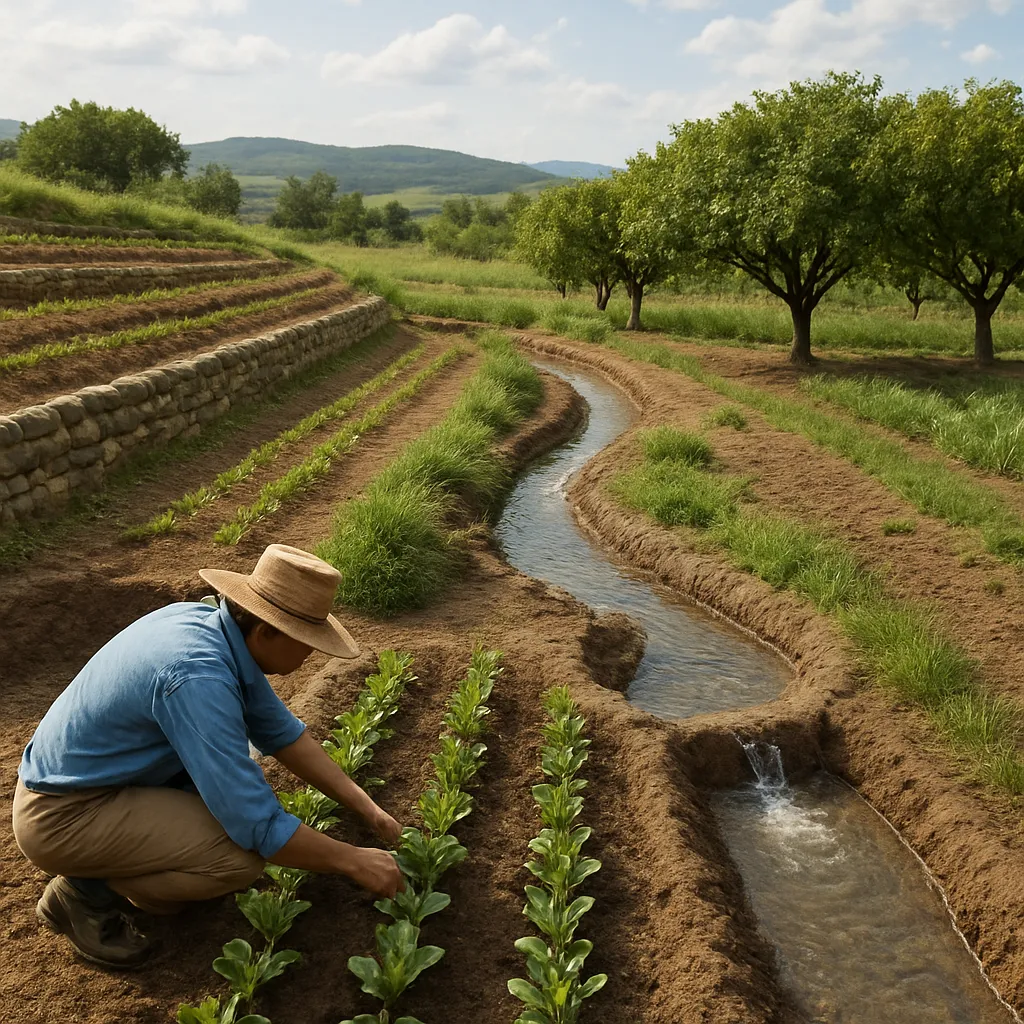
Developing a farm that uses resources wisely requires more than advanced machinery; it demands a sustainability ethos and a deep understanding of natural processes. This guide explores practical steps that any farmer or gardener can adopt to drastically reduce water consumption while enhancing soil health, biodiversity, and crop yields. By harnessing age-old practices and modern insights, you can build a resilient farm that thrives even under severe climatic fluctuations and contributes to a healthier ecosystem.
Choosing Crops for drought resilience
Selecting the right plant species is the first line of defense against water scarcity. Native and heirloom varieties often exhibit superior adaptation to local rainfall patterns and soil types. Look for crops with deep root systems—such as certain legumes, sorghum, and millet—that can tap into moisture reservoirs far below the surface. Intercropping these species with fruit trees creates a layered canopy that reduces evaporation and provides shade, leading to a microclimate that conserves soil moisture.
Key strategies:
- Research local landrace seeds that have thrived for generations under low-rainfall conditions.
- Combine drought-tolerant crops with companion plants that fix nitrogen or deter pests naturally.
- Plan planting schedules to align with seasonal rainfall, using early-sown cover crops to protect bare ground.
By emphasizing drought resilience, farmers can reduce irrigation needs by up to 40% while maintaining robust yields.
Building and Preserving Soil Health with Mulching Techniques
Healthy soil retains water more effectively, resists erosion, and supports vigorous root growth. The cornerstone of moisture retention is mulching, which creates a protective layer above the ground surface. Organic mulches—such as straw, wood chips, or compost—break down over time, adding valuable nutrients back into the soil profile. This organic matter improves soil structure, allowing it to act like a sponge during heavy rains and slowly release water during dry spells.
Practical tips for mulching success:
- Apply a 5–10 cm layer of organic material around plant bases, avoiding direct contact with stems to prevent rot.
- Replenish mulch layers seasonally to maintain continuous coverage and nutrient cycling.
- Combine mulching with cover crops—such as clover or winter rye—to protect soil in off-seasons and add biomass when turned under.
In addition to conserving moisture, a well-mulched bed suppresses weeds, moderates soil temperature, and supports a thriving community of beneficial microbes.
Implementing irrigation Systems and rainwater harvesting Solutions
Even the most water-wise farm benefits from a targeted irrigation strategy. Drip lines and soaker hoses deliver water directly to the root zone, reducing losses to evaporation and runoff. Coupling these systems with timers or moisture sensors ensures precise delivery only when plants need it most. For small-scale operations, simple hand-watering with watering cans or low-pressure emitters can be equally effective when combined with careful scheduling.
Rainwater capture is another cornerstone of water efficiency. By installing gutters on outbuildings and routing the flow into storage tanks or lined ponds, you create an on-site reservoir that buffers against dry periods.
Rainwater harvesting best practices:
- Fit screens or leaf filters to gutters to keep debris out of tanks.
- Position tanks on raised platforms to use gravity for low-energy distribution.
- Incorporate swale trenches along contour lines to slow runoff and recharge groundwater.
Combining targeted irrigation with efficient rainwater harvesting can reduce external water inputs by more than half.
Integrating permaculture Principles to Enhance biodiversity
Permaculture offers a design framework that mimics natural ecosystems, where every element serves multiple functions. Plant guilds—assemblages of trees, shrubs, herbs, and groundcovers—work together to create mutually beneficial relationships. For example, fruit trees can be paired with nitrogen-fixing shrubs, pest-repellent herbs, and deep-rooted vegetables that break up compacted soil layers.
Benefits of a permaculture approach:
- Higher resilience to pests and diseases thanks to diverse plantings.
- Improved habitat for pollinators and beneficial insects, boosting fruit set and crop quality.
- Natural nutrient cycling that reduces or eliminates the need for synthetic fertilizers.
Embracing biodiversity not only conserves water but also fosters a dynamic farm environment capable of adapting to changing conditions.
Maximizing Farm efficiency and Supporting the Local Landscape
True efficiency transcends water savings alone; it encompasses energy use, labor allocation, and nutrient management. Integrate renewable energy sources—such as solar-powered pumps—to reduce reliance on grid electricity. Utilize simple sensors to monitor soil moisture, temperature, and weather forecasts, adjusting irrigation schedules based on real-time data.
Additional considerations for a streamlined operation:
- Design pathways and access roads to minimize soil compaction and runoff.
- Implement rotational grazing or mobile chicken coops to distribute manure evenly and rejuvenate pastures.
- Collaborate with local beekeepers or wildlife enthusiasts to further enrich the farm’s ecological network.
By aligning every activity toward resource conservation and ecosystem health, your farm becomes a model of resilience. Through thoughtful design and commitment to natural methods, you’ll create a self-regulating system that thrives on minimal inputs while yielding abundant, high-quality harvests.