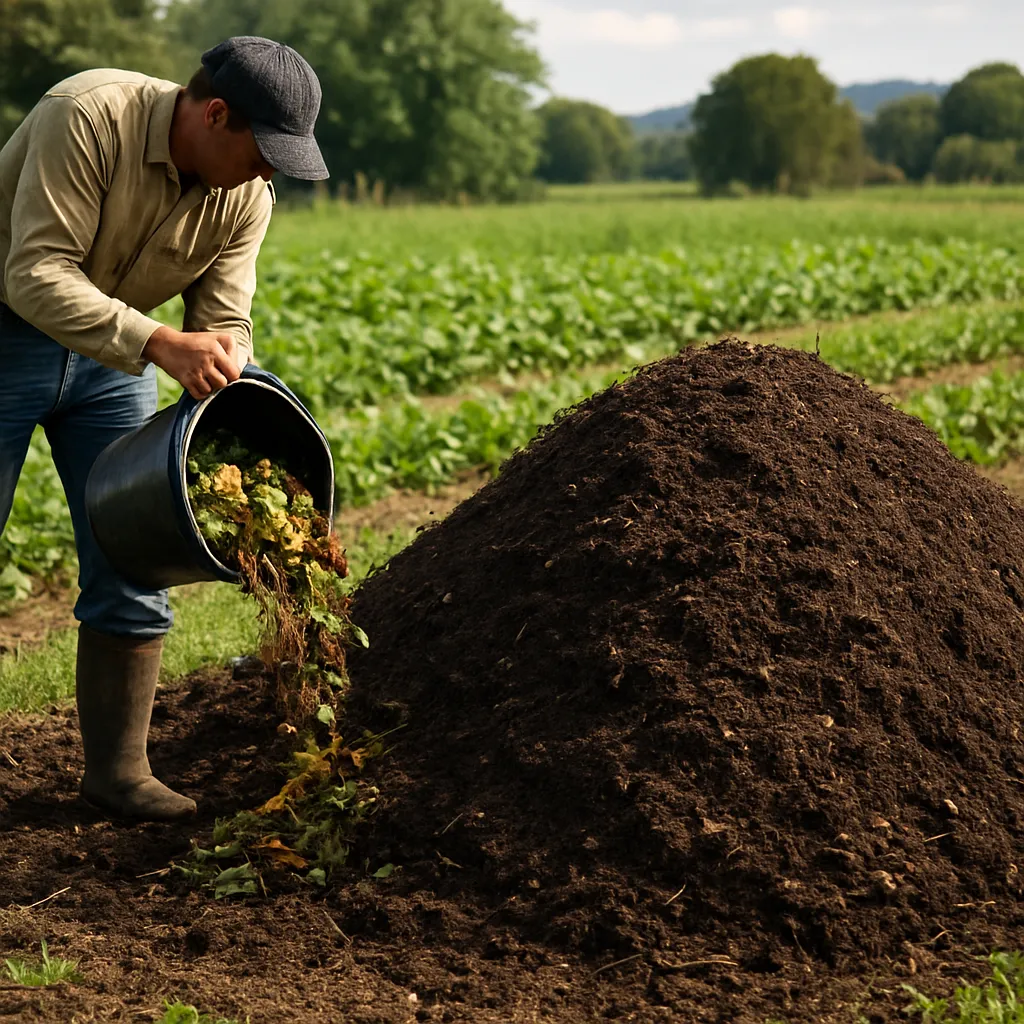
Education serves as a catalyst for transforming conventional farming into systems that protect the planet, nurture communities, and secure food supplies. Through targeted training programs, farmers and stakeholders gain the knowledge and skills required to implement sustainable practices, safeguard biodiversity, and rebuild soil health. This article explores the multifaceted role of education in promoting green agriculture, presents innovative strategies for knowledge transfer, and offers practical tips grounded in real-world successes.
Importance of Education in Agriculture
Empowering Farmers with Knowledge
Farmers who participate in well-designed curricula can dramatically improve productivity and environmental outcomes. By learning principles of agroecology, they adopt crop rotations, integrated pest management, and agroforestry systems that reduce chemical inputs. Education bridges the gap between research institutions and rural communities, ensuring that new insights on cover cropping or precision irrigation reach those who work the land daily.
Building Resilient Food Systems
A well-informed farming community is better prepared to face challenges such as droughts, floods, and pest outbreaks. Training in climate resilience techniques—like drought-tolerant seed varieties and water-harvesting structures—helps producers thrive under shifting weather patterns. Educational programs also highlight ways to lower the farm’s carbon footprint, from reducing fossil fuel reliance to increasing on-farm carbon sequestration through conservation tillage.
Catalyzing Community Development
Beyond individual farms, education fosters collective action. Farmer field schools, cooperatives, and peer-learning networks create spaces for experience exchange. Community-based workshops encourage joint investments in shared machinery, post-harvest storage, or biofertilizer production. Such cooperation not only enhances local food security but also reinforces social bonds and economic resilience.
Innovative Educational Strategies for Green Agriculture
Hands-On Training and Demonstration Plots
Practical learning accelerates adoption of organic and environment-friendly methods. Demonstration plots serve as living laboratories where participants witness the benefits of mulching, composting, and intercropping in real time. Interactive sessions on composting teach farmers how to convert crop residues and manure into nutrient-rich soil amendments, reducing dependence on synthetic fertilizers.
Digital Platforms and Remote Learning
Advancements in mobile technology enable farmers to access tutorials, expert advice, and market information from their smartphones. E-learning modules on pest diagnosis or drone-assisted monitoring enrich traditional classroom experiences. Virtual reality tools can simulate soil profiles or irrigation system designs, offering immersive instruction without the constraints of geography.
Participatory Research and Co-Creation
Collaborative research engages farmers, scientists, and extension agents in co-designing trials for new seeds, cover crops, or agroforestry models. Such participatory approaches recognize farmers as innovators, accelerating the refinement and local adaptation of technologies. Ongoing feedback loops ensure that educational content remains relevant and responsive to emerging challenges.
Practical Tips and Case Studies
Tip 1: Implement Integrated Pest Management
Rather than relying solely on chemical controls, combine biological agents, habitat enhancement for natural enemies, and crop rotations. Regular scouting helps detect early pest infestations, minimizing yield losses while preserving beneficial insects.
Tip 2: Optimize Water Use
Install drip or sprinkler irrigation systems to target root zones, reducing evaporation and runoff. Schedule watering based on plant growth stages and soil moisture readings, and consider rainwater harvesting to supplement supplies during dry spells.
Tip 3: Enhance Soil Fertility
Rotate leguminous cover crops to fix nitrogen, incorporate green manures to build organic matter, and use site-specific nutrient mapping to apply fertilizers precisely. Adopting low-till or no-till methods further protects soil structure and biology.
Tip 4: Diversify Production
Integrate fruit trees, shrubs, and vegetables in agroforestry systems to spread risk and create multiple income streams. Mixed cropping can also curb pests and diseases while improving resource use efficiency.
Case Study: A Village-Level Composting Initiative
In a South Asian district, an NGO introduced community composting sites where farmers jointly produce humus-rich fertilizer. After completing a series of workshops, participants reported a 30% increase in yields for key vegetables and a marked reduction in chemical fertilizer costs. Peer-visits solidified adoption and spurred neighboring villages to replicate the model.
Challenges and Future Directions
Overcoming Barriers to Participation
Language differences, gender norms, and limited literacy can hinder engagement. Tailoring materials to local dialects, offering visual aids, and scheduling sessions around farming seasons help ensure inclusivity. Mobile libraries and community radio broadcasts further expand reach.
Strengthening Institutional Support
Effective green agriculture education demands coordination among governments, universities, NGOs, and private sector partners. Long-term funding and policy incentives—such as subsidies for regenerative practices—encourage sustained participation. Accreditation of training and certification of practitioners enhance credibility and market access.
Scaling Through Innovation
The next frontier lies in integrating artificial intelligence for predictive analytics, blockchain for supply-chain transparency, and sensor networks for real-time monitoring. By blending high-tech solutions with time-tested wisdom, educational programs can keep pace with evolving environmental and socioeconomic pressures.