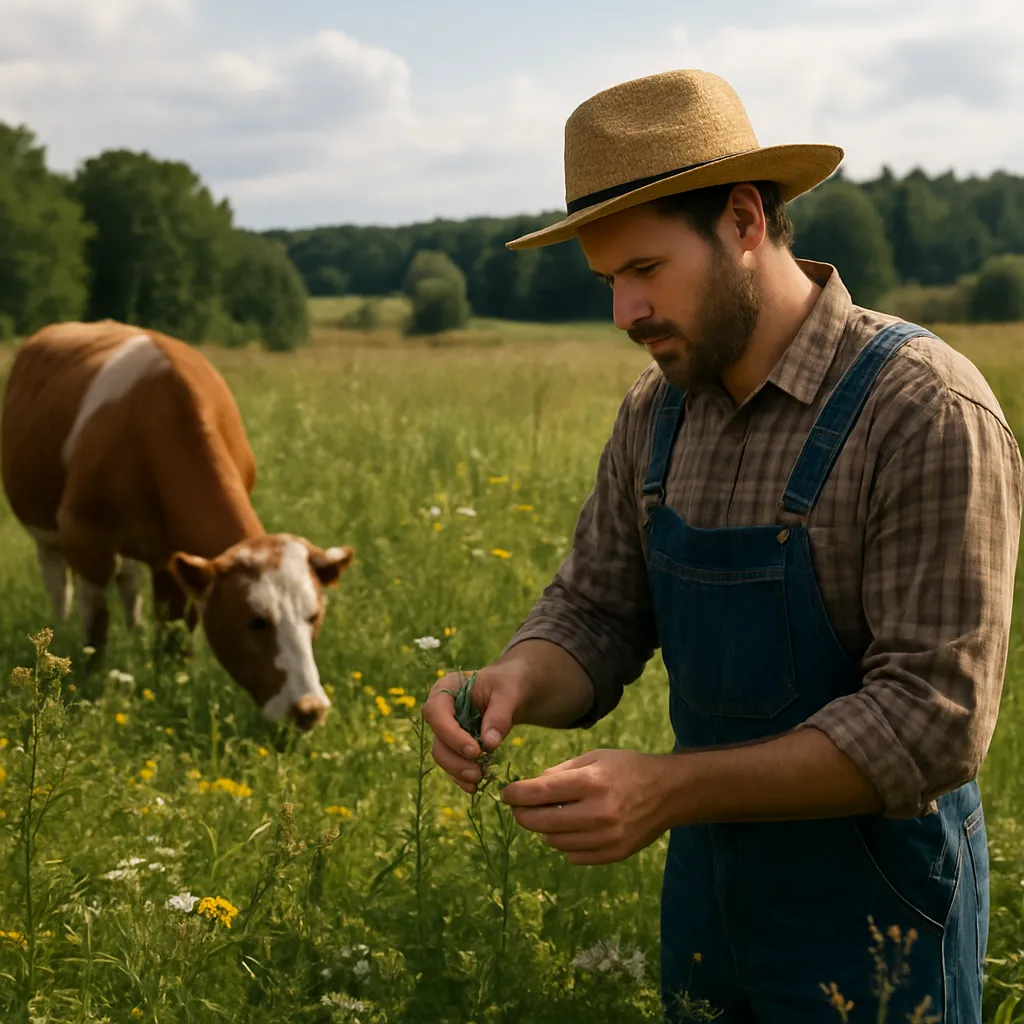
The Role of Fungi and Microbes in Soil Regeneration examines how tiny organisms transform degraded land into fertile ground. This article explores key interactions between soil biota and plant roots, revealing practical strategies for farmers and gardeners. By understanding the contributions of microbial communities and fungal networks, practitioners can boost crop productivity, enhance soil structure, and promote long-term sustainability.
The Importance of Soil Health and Microbial Diversity
Healthy soil is more than just dirt; it’s a complex ecosystem teeming with life. Bacteria, mycorrhizal fungi, protozoa, nematodes, and earthworms all play distinct roles in nutrient cycling and plant growth. When this biodiversity declines, so does the soil’s ability to support robust crops.
Key Functions of Soil Microbes
- Decomposition of organic residues into humus, enhancing water retention.
- Phosphorus solubilization by fungi and bacteria, improving plant access to essential nutrients.
- Suppression of soil-borne pathogens through competition and antibiotic production.
- Formation of soil aggregates that improve aeration and root penetration.
Maintaining a high level of microbial diversity ensures that these functions operate in synergy. Monocultures, frequent tillage, and heavy chemical inputs can disrupt microbial balance, leading to soil compaction, nutrient loss, and diminished crop yields.
Mycorrhizal Networks: Nature’s Underground Internet
Mycorrhizae are symbiotic associations between fungal hyphae and plant roots. Each party benefits: plants receive water and nutrients beyond the root zone, while fungi obtain carbohydrates produced via photosynthesis. Two primary types exist:
- Arbuscular mycorrhizal fungi (AMF) colonize most agricultural crops, penetrating root cortical cells to exchange nutrients.
- Rhizosphere fungi form extensive external networks, linking multiple plant species and facilitating communication of chemical signals.
Advantages of Mycorrhizal Associations
- Enhanced uptake of phosphorus and micronutrients (e.g., zinc, copper).
- Improved drought resilience through better water access.
- Increased tolerance to soil salinity and heavy metals.
- Facilitation of interplant nutrient transfer, boosting ecosystem stability.
Incorporating mycorrhizal inoculants into planting schemes can accelerate soil regeneration, especially in fields that have undergone intensive chemical treatment. However, making use of natural fungal reservoirs in undisturbed soils is often more cost-effective and resilient.
Practical Agriculture Tips for Enhancing Soil Microbial Activity
Farmers and gardeners can implement several methods to nurture beneficial soil organisms. These strategies not only revive depleted soils but also reduce reliance on external inputs.
Tip 1: Minimize Tillage
- Use no-till or reduced-till systems to preserve fungal hyphae and soil structure.
- Maintain crop residues on the surface to shield microbes from temperature extremes and erosion.
Tip 2: Diversify Crops with Rotations and Intercropping
- Rotate legumes, cereals, and brassicas to support different microbial guilds and break pest cycles.
- Intercrop species with complementary root systems to foster a more uniform microbial distribution.
Tip 3: Incorporate Organic Amendments
- Apply well-composted manure or green manure to supply a steady source of organic matter.
- Include biochar to increase soil cations exchange capacity and provide habitat for microbes.
Tip 4: Utilize Cover Crops
- Plant cover crops such as clover, rye, or buckwheat during fallow periods to prevent erosion and feed soil organisms.
- Terminate covers with minimal soil disturbance to preserve microbial networks.
Tip 5: Employ Biological Inoculants
- Use commercial mycorrhizal or bacterial inoculants when establishing new orchards or revegetating degraded lands.
- Test soil first to match specific inoculant strains with local conditions and crops.
Innovative Strategies and Future Perspectives
Emerging research highlights novel techniques to accelerate soil regeneration on both small and large scales. Farmers and land managers are exploring:
- Microbial consortia tailored to degrade persistent organic pollutants or remediate salinized soils.
- Biopriming of seeds with beneficial microbes for early root colonization and enhanced vigor.
- Soil sensors and remote sensing tools to monitor microbial hotspots and inform precise amendment applications.
- Agroforestry systems that integrate trees, shrubs, and crops to create multilayered habitats for soil biota.
Advances in genomics and metabolomics allow scientists to decode complex interactions within the soil microbiome. As we refine our ability to harness these organisms, agriculture will shift from input-intensive models toward more regenerative approaches, delivering higher yields while restoring ecosystem health.