Growing crops without relying on chemical fertilizers demands a holistic approach that nurtures the land while ensuring abundant yields. This guide unveils proven practices and innovative strategies to maintain soil health, enhance biodiversity, and optimize plant growth using natural methods. Whether you manage a small garden or a large farm, these insights will equip you with the tools needed for sustainable cultivation.
Understanding the Foundation: Building Healthy Soil
Healthy soil forms the bedrock of any successful agricultural system. By focusing on physical structure, nutrient cycles, and living organisms, you create an environment where crops thrive naturally.
Enhancing Organic Matter
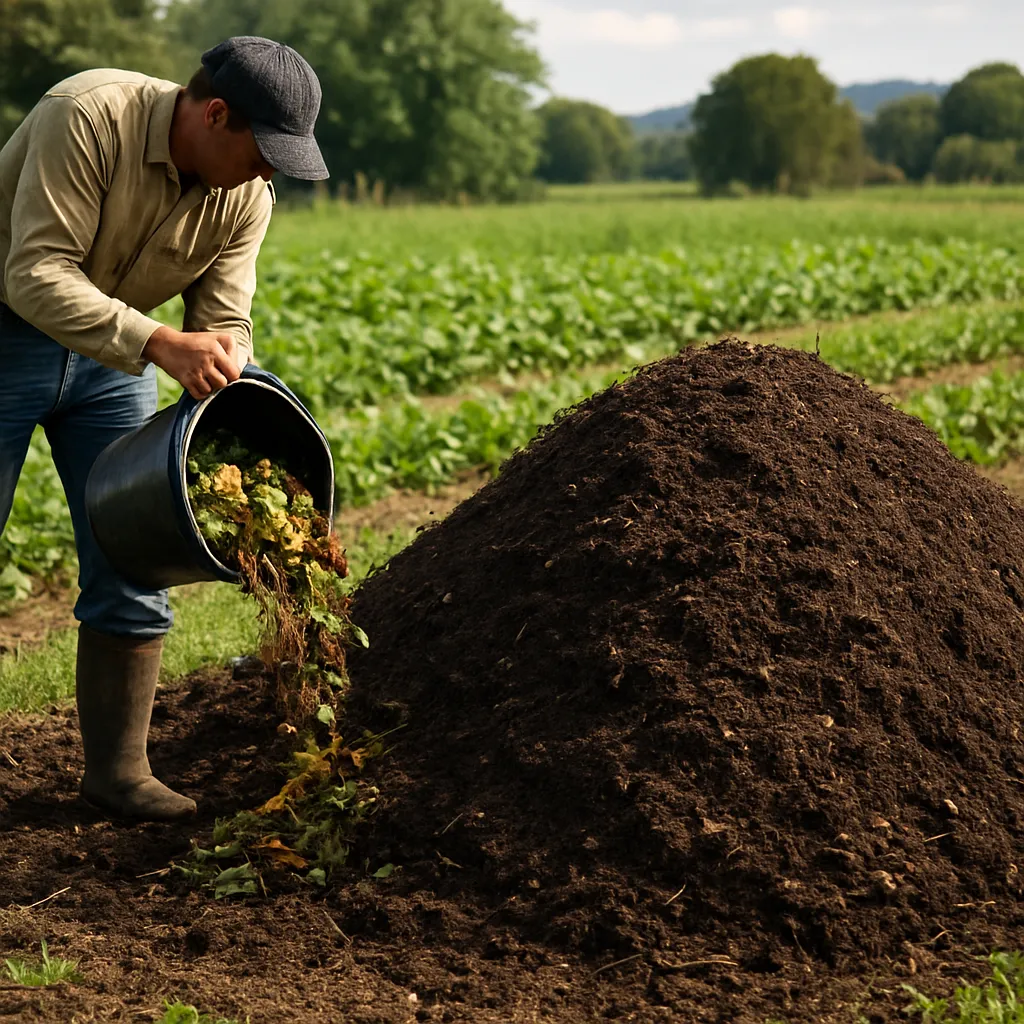
Organic matter is vital for water retention, aeration, and providing nutrients to plants. Incorporate these elements regularly:
- Well-aged compost to supply slow-release nutrients.
- Animal manures, properly cured to reduce pathogens.
- Crop residues (straw, stalks) mixed into topsoil.
Fostering Microbial Activity
Soil-dwelling microorganisms are essential for breaking down organic inputs and making nutrients available to roots. Boost their population by:
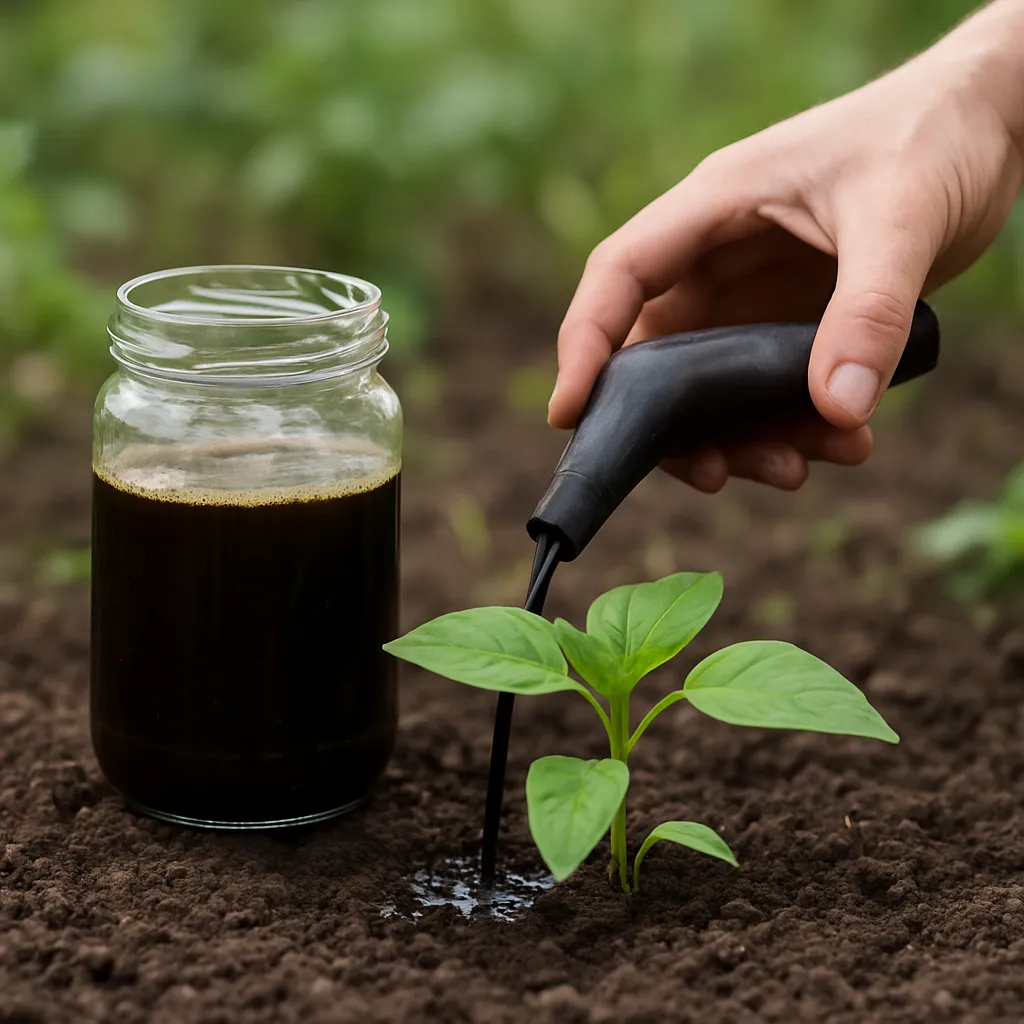
- Applying fermented bio-extracts or worm castings.
- Maintaining soil moisture at adequate levels.
- Minimizing tillage to protect fungal networks.
Strategies for Nutrient Management Without Chemicals
Replacing synthetic fertilizers involves diverse tactics that keep plants well-fed. By combining multiple approaches, you ensure balanced nutrition throughout the growing season.
Utilizing Green Manures and Cover Crops
Cover crops enrich nitrogen through natural fixation and prevent erosion. Key species include legumes such as clover, vetch, and peas. Steps to integrate them:
- Sow before the off-season or between main crops.
- Allow sufficient growth, then terminate and incorporate into soil.
- Adjust species blend based on soil pH and climate.
Applying Biofertilizers
Biofertilizer products contain living microorganisms that colonize roots, delivering nutrients like phosphorus and nitrogen. Common options:
- Rhizobium for legumes.
- Azospirillum for cereals and grasses.
- Mycorrhizal inoculants to enhance phosphorus uptake.
Rock Dusts and Mineral Amendments
Rock powders supply trace elements crucial for plant health. For instance, basalt and granite dust add calcium, magnesium, and potassium while stimulating beneficial microbes over time.
Crop Management Techniques for Sustainable Growth
Implement practices that reduce disease pressure, improve soil, and maximize yield without synthetic inputs. These strategies complement nutrient management for holistic farm health.
Crop Rotation and Diversity
Rotating unrelated families of plants disrupts pest cycles and balances nutrient drawdown. A simple rotation example:
- Year 1: Legumes (beans, peas) to boost nitrogen.
- Year 2: Brassicas (cabbage, broccoli) requiring calcium.
- Year 3: Alliums (onion, garlic) with distinct pest profiles.
Intercropping and Companion Planting
Growing complementary crops side by side encourages mutual support. Benefits include:
- Pest deterrence through aromatic allies (e.g., basil near tomatoes).
- Improved ground cover to suppress weeds.
- Optimized use of sunlight and root zones.
Mulching for Moisture and Temperature Control
Organic mulches such as straw or wood chips conserve water and moderate soil temperatures. As they decompose, they enrich soil with organic matter and foster microbial diversity.
Pest and Disease Management Through Natural Means
Without chemical pesticides, integrated approaches protect crops by enhancing resilience and encouraging biological control.
Encouraging Beneficial Insects
Predatory insects like ladybugs and lacewings reduce aphid populations. Attract them by planting:
- Flowering herbs (dill, fennel).
- Native wildflowers with open blooms.
- Cover crops that provide pollen and shelter.
Homemade Botanical Sprays
Extracts from garlic, neem, and chili peppers can deter pests. Always test on a few plants first and apply in the early morning or late evening to avoid leaf burn.
Strengthening Plant Immunity
Healthy plants naturally resist pathogens. Ensure robust growth by:
- Providing balanced soil nutrition.
- Watering at the base to reduce leaf moisture.
- Removing diseased foliage promptly.
Water Management and Conservation Techniques
Efficient water use supports healthy roots and reduces disease risks. Aim for precise delivery and retention.
Drip Irrigation Systems
Delivering water directly to the root zone minimizes evaporation and fungal disease. Combine with mulch to further boost moisture retention.
Rainwater Harvesting
Collecting roof runoff in barrels or ponds provides a free, chemical-free irrigation source. Filter debris and cover storage to limit mosquito breeding.
Contour Farming and Terracing
On sloped land, shaping beds along contour lines reduces erosion and maximizes infiltration. Terraces create level planting areas that hold rainwater effectively.
Long-Term Planning and Continuous Improvement
Sustainable agriculture demands adaptation and ongoing learning. Regular assessments ensure practices remain effective and responsive.
Soil Testing and Monitoring
Seasonal tests for pH, organic matter, and key nutrients help tailor amendments. Keep records of yields, pest occurrences, and weather patterns.
Community Knowledge Sharing
Workshops, online forums, and farmer cooperatives accelerate innovation. Sharing successes and failures leads to collective advancement in sustainable methods.
Adapting to Climate Variability
Diversify crops and install shade structures or windbreaks to buffer extreme conditions. Drought-tolerant varieties can secure yields during dry spells.
Embracing a Holistic View
Growing without chemical fertilizers is more than a set of techniques; it’s a commitment to ecological harmony. By focusing on soil health, integrating diverse crops, and harnessing natural cycles, you lay the groundwork for productivity that endures across generations. Each step toward a chemical-free system enhances resilience, fosters environmental stewardship, and cultivates a truly regenerative farm.