Implementing no-till practices can revolutionize how your farm operates, fostering healthier fields while reducing labor and input costs. Embracing this method involves a shift in mindset, equipment, and management strategies, but the rewards—richer soil structure, diminished erosion, and enhanced biodiversity—are substantial. This article outlines essential steps to successfully adopt no-till techniques, helping you cultivate more sustainably and boost long-term yield.
Understanding No-Till Agriculture
Defining No-Till Principles
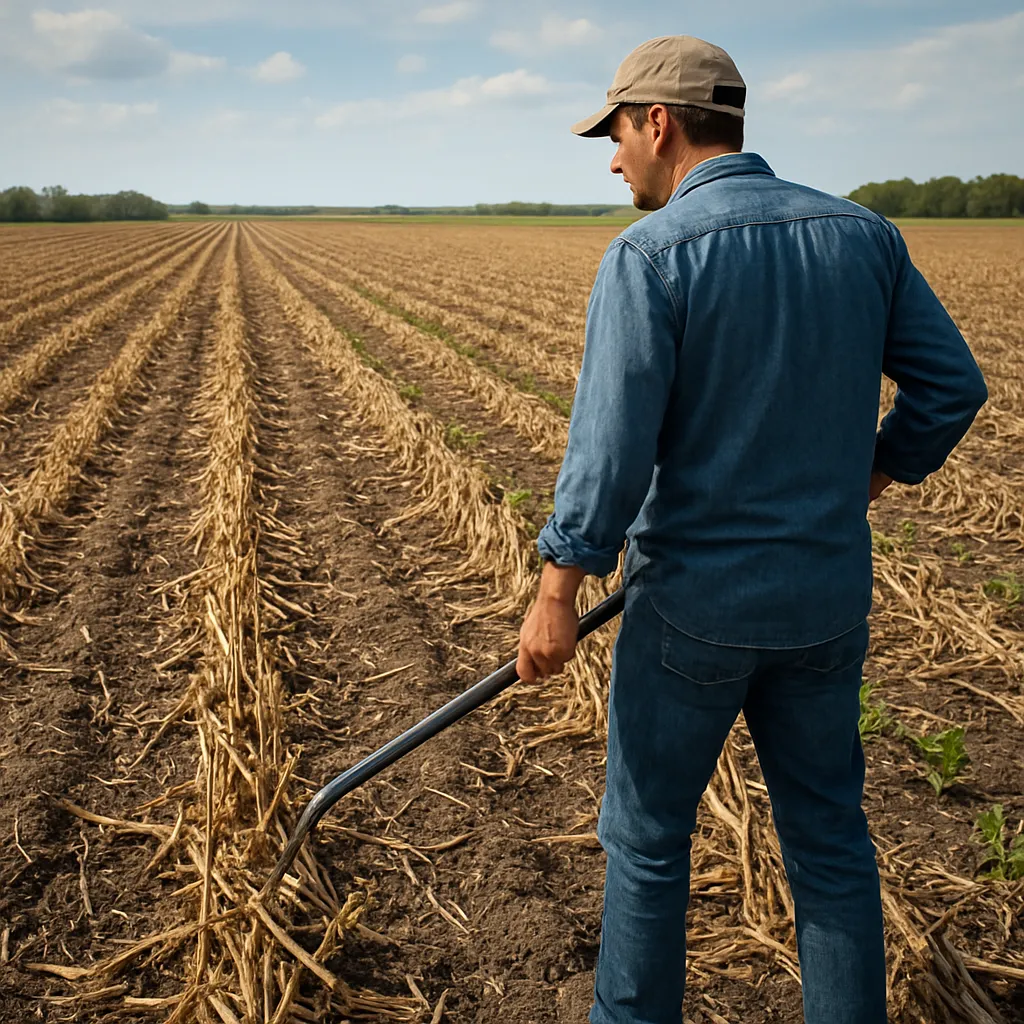
No-till farming refers to planting crops without traditional plowing or tillage operations. By leaving previous crop residues on the field, you preserve the soil’s natural composition and microbial ecosystems. This approach counters compaction, locks in soil moisture, and reduces the need for repeated passes over the field.
Key Benefits of No-Till
- Erosion Control: Residue cover protects soil from wind and water runoff.
- Moisture Retention: Undisturbed soil holds water more effectively, reducing irrigation needs.
- Carbon Sequestration: Organic matter stays in the ground, lowering atmospheric CO₂.
- Reduced fuel and labor costs through fewer field operations.
- Enhanced biodiversity of soil organisms that promote nutrient cycling.
Challenges and Misconceptions
While no-till offers multiple advantages, it’s not a one-size-fits-all solution. Farmers often encounter:
- Higher reliance on herbicides for weed management if cover crops aren’t optimized.
- Initial yield fluctuations during transition phases.
- Need for specialized planting equipment to handle residue load.
Overcoming these hurdles requires careful planning and gradual adjustments.
Transition Strategies for No-Till Implementation
Assessing Field Conditions
Before adopting no-till, conduct a thorough evaluation of your fields:
- Soil texture and organic matter levels
- Topography and drainage patterns
- Previous cropping history and residue management
Use soil tests to determine nutrient requirements and compaction layers. Addressing hardpans or severely compacted zones through deep ripping or subsoiling can set the foundation for successful no-till seeding.
Selecting Appropriate Cover Crops
Cover crops play a pivotal role in no-till systems, offering ground cover and enhancing residue decomposition. Popular choices include:
- Legumes (e.g., clover, vetch) for nitrogen fixation
- Grasses (e.g., rye, oats) for biomass production and weed suppression
- Brassicas (e.g., radish, turnip) for deep-rooted soil loosening
Plant a diverse mix to balance nutrient cycling and erosion control. Terminate covers at the optimal stage—often through rolling-crimping—to create a flat, uniform mulch layer.
Investing in the Right Equipment
No-till drills and planters differ from conventional tools, featuring:
- Heavy-duty openers or coulters to cut through residue
- Press wheels to ensure seed-to-soil contact
- Adjustable residue managers for variable crop loads
While the upfront cost may be significant, spreading payments or seeking cost-share programs can ease financial pressure. Performing meticulous calibration each season ensures precise seed placement and optimal emergence.
Long-Term Management and Benefits
Integrated Weed and Pest Control
No-till fields can harbor volunteer crops and weeds under surface residue. An integrated approach includes:
- Rotating herbicide modes of action to prevent resistance
- Interseeding living covers to outcompete weeds
- Scouting regularly and using targeted herbicides or mechanical removal when necessary
Adaptive management reduces reliance on chemicals over time, promoting a healthier agroecosystem.
Monitoring Soil Health Indicators
Regular soil testing goes beyond pH and nutrient levels. Track indicators such as:
- Aggregate stability
- Earthworm populations
- Organic carbon concentration
Improving these metrics correlates with better water infiltration and nutrient availability. Farmers often notice fewer dry spells and less runoff as soil structure improves.
Enhancing Crop Rotations
Diverse rotations break disease cycles and improve moisture management. Incorporate:
- Deep-rooted perennials to mine subsoil nutrients
- Small grains to add residue and prevent erosion
- Legumes for natural nitrogen replenishment
A well-designed rotation complements no-till, reducing fertilizer inputs and stabilizing yields.
Economic and Environmental Returns
- Lowered fuel consumption due to fewer passes across the field.
- Reduced machinery wear and tear through simplified operations.
- Enhanced carbon credits and eligibility for conservation programs.
- Improved water quality in nearby streams by minimizing runoff and nutrient loss.
Over several seasons, many farms report net gains in profitability and resilience to weather extremes.
Scaling Up and Knowledge Sharing
Once comfortable with no-till on a portion of your land, consider expanding the practice. Engage with agricultural extension services, attend field days, and network with fellow farmers to share experiences. Collaborative learning accelerates problem-solving and uncovers region-specific tactics for success.
Advanced Practices and Innovations
Precision Agriculture Integration
Pairing no-till with GPS-guided machinery and variable-rate technology optimizes input placement. Map soil fertility zones and apply fertilizers or amendments only where needed, reducing waste and costs.
Biological Amendments
Introducing beneficial microbes and mycorrhizal inoculants can jump-start soil life in newly transitioned no-till fields. These organisms enhance nutrient uptake and improve overall plant health.
Cover Crop Termination Alternatives
New methods, such as roller crimpers combined with light herbicide application or targeted grazing, offer flexible ways to manage heavy biomass without disrupting the soil surface.
Final Recommendations
Adopting no-till is a journey rather than a one-time change. Patience, persistence, and continuous learning will unlock the full potential of this regenerative approach. By focusing on soil conservation, strategic equipment use, and diverse crop rotations, you can nurture a more productive and sustainable farm system.