Effective waste management on farms plays a vital role in maintaining soil health, promoting environmental stewardship, and enhancing farm profitability. This article explores practical strategies and innovative approaches to handle agricultural residues, animal by-products, and other on-farm waste streams. By adopting these methods, farmers can transform liabilities into valuable resources, foster sustainability, and contribute to a circular agricultural economy.
Understanding Waste Streams and Segregation
Proper identification and separation of different waste types is the first step toward effective management. On a typical farm, waste streams may include plant residues, packaging materials, animal manure, deadstock, and chemical containers. Segregation not only prevents contamination but also facilitates targeted treatment and valorization.
Key Categories of Farm Waste
- Plant residues: stalks, leaves, pruning trimmings
- Animal waste: manure, bedding, dead animals
- Packaging: plastic film, feed bags, pesticide containers
- Processing by-products: fruit peels, vegetable pulp, grain husks
- Hazardous items: agrochemical drums, batteries, lubricants
Implementing color-coded bins or clearly labeled collection points can streamline segregation. Train workers to deposit materials in appropriate receptacles, minimizing cross-contamination. Segregation paves the way for specialized handling methods such as composting, anaerobic digestion, recycling, or safe disposal.
Composting and Nutrient Cycling
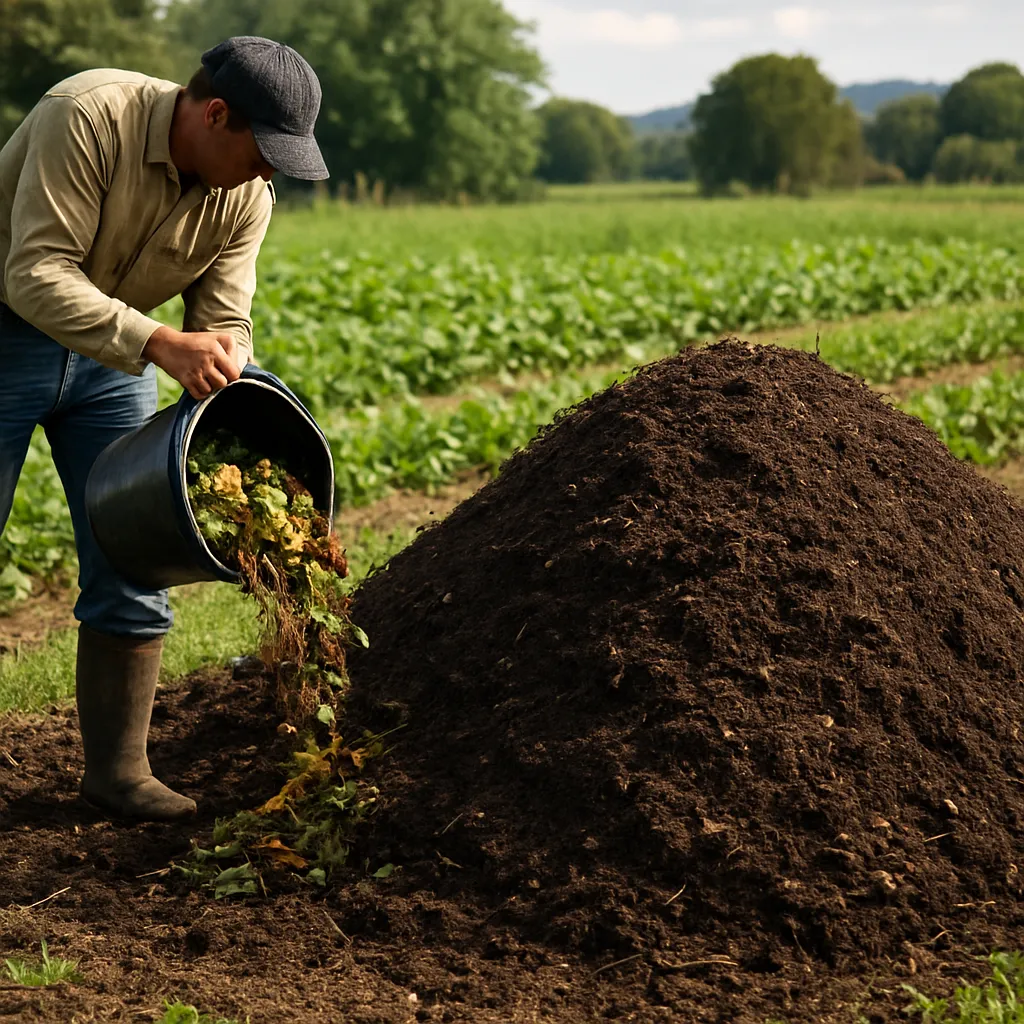
Composting transforms organic residues into a nutrient-rich soil amendment that improves structure, water retention, and fertility. Regular application of compost supports nutrient cycling and reduces reliance on synthetic fertilizers.
Best Practices for On-Farm Composting
- Select a well-drained site away from watercourses to prevent leachate issues.
- Combine green (nitrogen-rich) and brown (carbon-rich) materials in a ratio of roughly 2:1 by volume.
- Maintain adequate moisture—comparable to a wrung-out sponge—to support microbial activity.
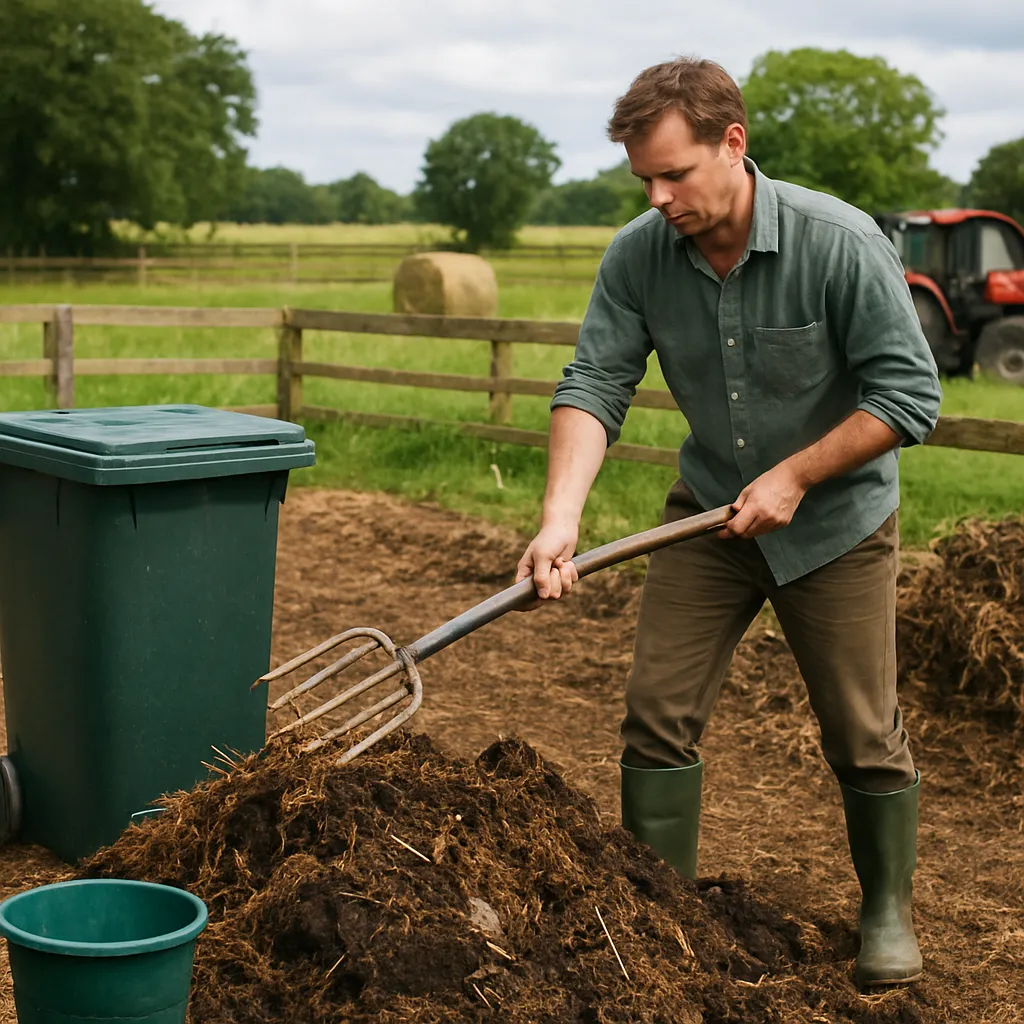
- Turn piles every 1–2 weeks to supply oxygen and distribute heat evenly.
- Monitor temperatures; target 55–65 °C in the active phase to eliminate pathogens.
When mature, compost can be applied as a top dressing or incorporated into seedbeds. Besides improving soil biology, it enhances resilience to drought and erosion. Additionally, on-farm composting reduces hauling costs and greenhouse gas emissions compared with off-site disposal.
Animal Waste Management and Valorization
Animal manure, if left untreated, can pose environmental and health risks. Yet it represents a rich source of nutrients and energy. Effective management strategies transform manure into high-value products while mitigating pollution.
Anaerobic Digestion and Biogas
- Collect manure in sealed digesters, where microbes break down organic matter in absence of oxygen.
- Capture biogas (a mixture of methane and carbon dioxide) for use as heating fuel or electricity generation.
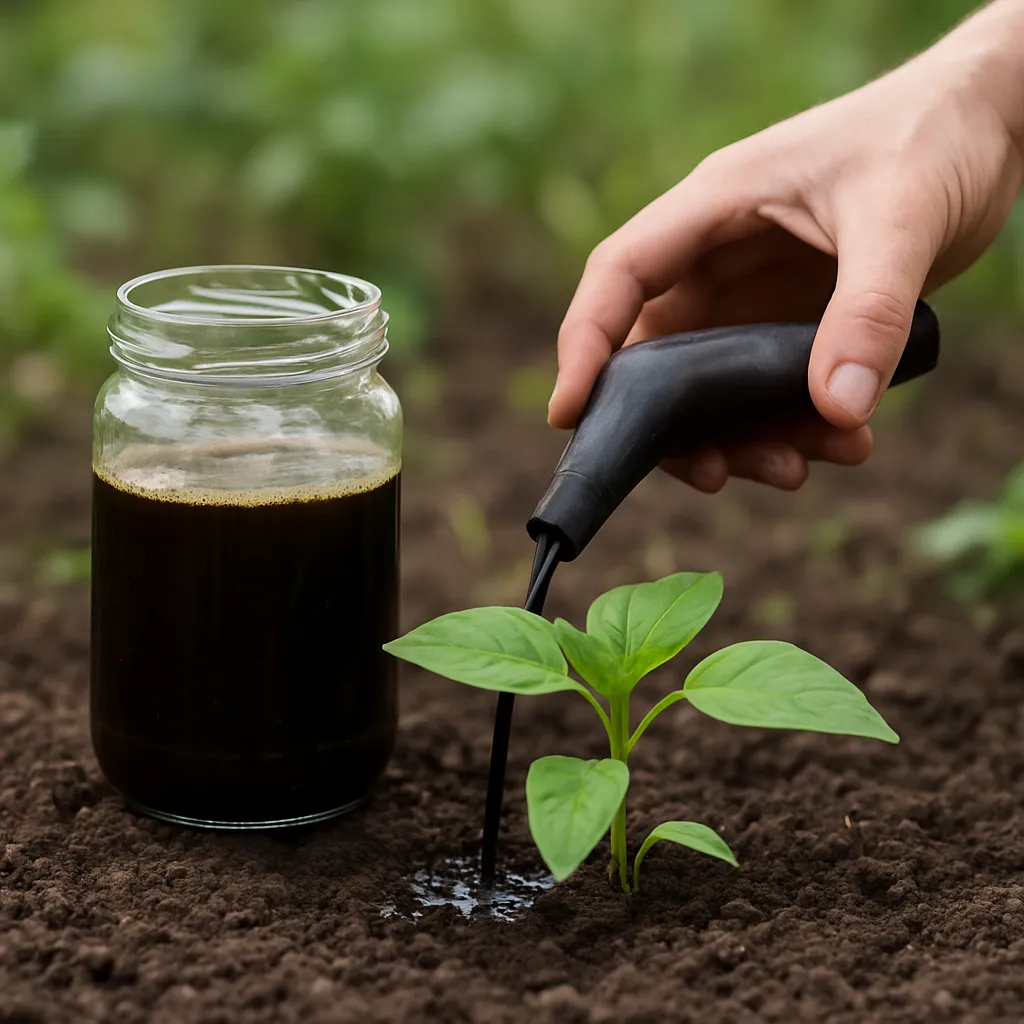
- Utilize post-digestion effluent as liquid fertilizer rich in nitrogen and phosphorus.
A well-designed digester contributes to biogas production, reducing farm energy bills and carbon footprint. Properly balanced feedstocks—manure mixed with crop residues—optimize gas yield. Routine maintenance ensures efficient operation and minimizes odors.
Manure Storage and Treatment
- Employ concrete or lined lagoons to contain liquid manure and prevent soil contamination.
- Cover storage facilities to reduce ammonia volatilization and odor emissions.
- Allow solids to settle or dewater; separate liquids for injection or irrigation applications.
- Incorporate processed manure into soil before crop uptake peaks to maximize nutrient use.
Strategic timing of manure application enhances nutrient uptake by plants and curbs leaching. Using injection or subsurface incorporation methods further minimizes ammonia loss and protects air quality.
Reducing Plastic and Packaging Waste
Plastic films, mulch, and packaging present a persistent challenge on modern farms. While agricultural plastics serve essential functions—weed control, moisture retention—they also generate significant waste.
Plastic Recycling and Reuse Programs
- Partner with local recyclers that accept agricultural-grade plastics, baling waste for collection.
- Implement a dedicated plastic storage area to keep materials clean and dry before pickup.
- Switch to biodegradable mulch films or paper-based packaging where feasible.
Some regions offer buy-back or take-back schemes for pesticide containers; triple-rinsed drums can be recycled into industrial products. Educating farm staff on proper rinsing and compaction techniques is crucial.
Water and Wastewater Management
Efficient water use and treatment of farm effluents protect aquatic ecosystems and reduce costs. Segmenting runoff from clean sources (e.g., rainwater) separates it from contaminated flows, easing treatment requirements.
Constructed Wetlands and Filter Strips
- Install vegetative filter strips along watercourses to trap sediments and absorb nutrients.
- Create constructed wetlands to treat manure-laden runoff through natural bioremediation.
- Design wetland cells with alternating vegetation zones to optimize nitrogen removal.
These systems provide habitat for wildlife, enhance biodiversity, and lower nutrient loads in nearby rivers. Regular vegetation management and sediment removal maintain treatment efficiency.
Integrating Agroecological Principles
By embracing agroecology, farms become more resilient and conservation-oriented. Integrating cover crops, crop rotations, and buffer zones reduces reliance on external inputs and minimizes waste.
- Cover cropping: protects soil, suppresses weeds, and recycles nutrients from subsoil.
- Crop rotation: interrupts pest cycles and diversifies organic matter inputs.
- Buffer zones: grassy or woodland areas filter runoff and provide ecosystem services.
Incorporating livestock into cropping systems enables nutrient transfer and reduces off-farm feed waste. Rotational grazing improves pasture health and distributes manure evenly.
Monitoring, Record-Keeping, and Continuous Improvement
Tracking waste volumes, treatment outcomes, and resource savings informs management decisions. Use simple logbooks or digital tools to record:
- Quantities of compostable materials processed.
- Biogas yields and energy usage.
- Fertilizer equivalence and crop yield impacts.
- Recycling rates for plastics and packaging.
Review data annually to identify bottlenecks and opportunities. Engage farm staff in regular training sessions on best practices. Celebrating small wins fosters a culture of innovation and environmental stewardship.