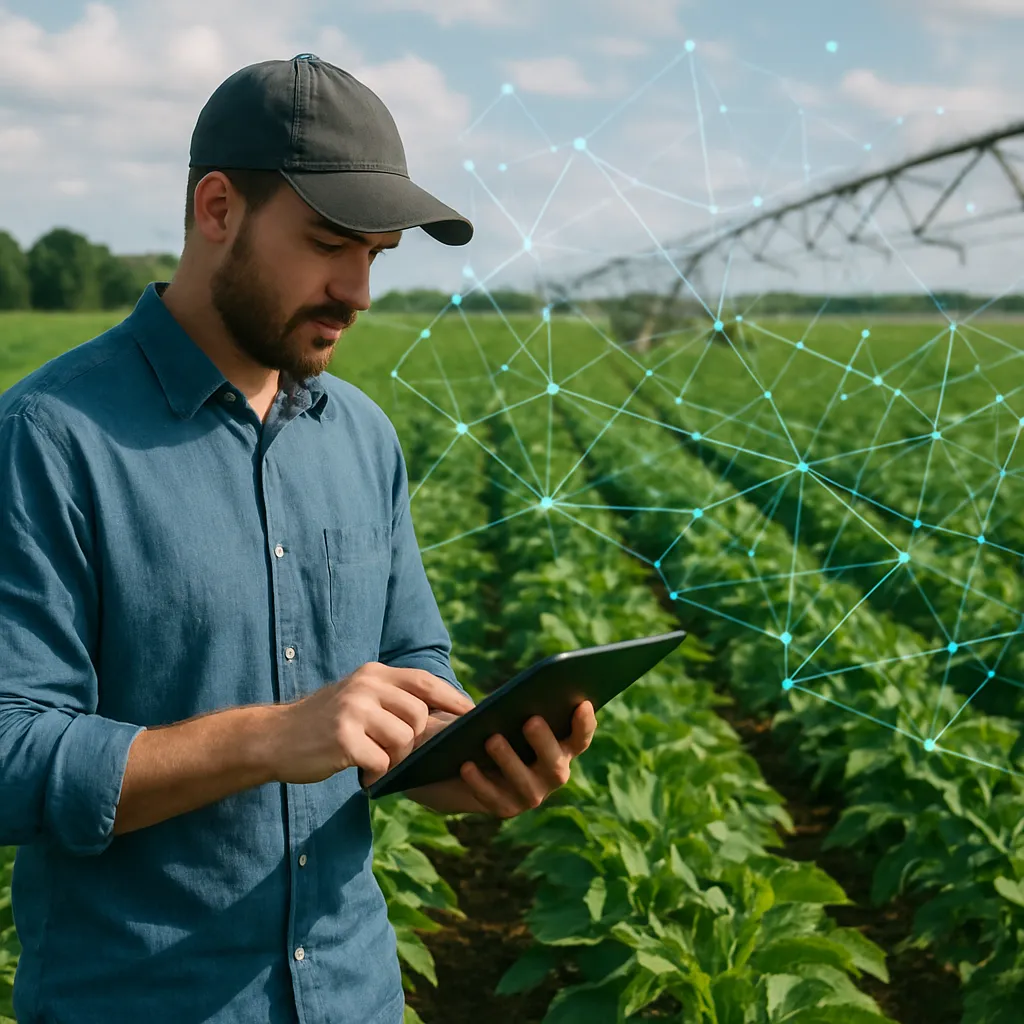
The integration of smart drones in modern agriculture has revolutionized the way farmers approach pest management. By leveraging cutting-edge technology, these aerial devices offer precise, real-time solutions that enhance farm productivity and promote sustainable practices. Throughout this article, you will discover the core functions of agricultural drones, practical tips for successful adoption, and key considerations for optimizing your pest control strategies.
Smart Drone Technology for Precision Pest Control
Advanced Sensor Systems
Smart drones are equipped with a variety of sensors that detect pest populations and monitor crop health indicators. Multispectral cameras, thermal imagers, and hyperspectral sensors collect data on plant stress and insect activity. This information is transmitted to a centralized platform, enabling farmers to identify target areas for intervention with exceptional accuracy.
Automated Flight and Navigation
With automation features such as GPS-guided waypoints and obstacle avoidance, drones can execute repeatable flight paths over large fields. Programmable missions allow for consistent coverage, reducing human error and labor costs. Integration with farm management software further streamlines data analysis, as flight logs and mapping overlays can be accessed instantly for review and planning.
Precision Application of Pesticides
One of the most valuable capabilities of agricultural drones is the ability to apply pesticides directly to affected zones, minimizing overall chemical usage. Utilizing precision spraying nozzles, drones can vary droplet size and flow rate in real time. This targeted approach not only cuts down on waste but also limits environmental impact, fostering sustainability in crop protection.
Implementing Drone-Based Pest Management
Regulatory Considerations
Before deploying drones, it is critical to understand regional aviation regulations. Licensing requirements often include pilot certification, registration of equipment, and adherence to no-fly zones near airports or sensitive areas. Ensuring compliance with local authorities avoids legal penalties and safeguards community relations.
Equipment Selection and Maintenance
Choosing the right drone platform depends on field size, terrain complexity, and specific pest challenges. Key factors to evaluate include:
- Payload capacity – essential for carrying liquid or granular treatments.
- Flight time – longer battery life maximizes coverage per sortie.
- Weather resilience – wind resistance and waterproofing for reliable operation.
- Sensor compatibility – ability to integrate third-party imaging modules.
Regular maintenance is vital to uphold performance. Establish a schedule for battery health checks, propeller inspections, and firmware updates. A well-maintained drone fleet ensures uninterrupted service during critical pest outbreaks.
Field Mapping and Data Integration
Accurate field maps are the foundation of effective drone missions. Employ ground control points (GCPs) to calibrate geospatial coordinates and improve map fidelity. Integrate drone-acquired imagery with Geographic Information System (GIS) platforms to overlay pest hotspots, irrigation layouts, and historical yield data. This holistic perspective empowers informed decision-making and timely interventions.
Practical Tips for Farmers
Regular Monitoring and Early Detection
Frequent drone surveys can detect emerging pest problems before they escalate. Schedule flights at key crop growth stages—such as budding and flowering—to catch early signs of infestation. Early detection supports targeted treatments, reducing overall pesticide volumes and preserving beneficial insect populations.
Combining Biological Controls
Integrating drones with biological control agents further enhances pest suppression. For example, aerial release of predatory insects or entomopathogenic fungi can be precisely deployed to complement chemical treatments. This integrated pest management (IPM) approach fosters natural ecosystem balance and diminishes the risk of resistance development.
Data-Driven Decision Making
Leverage historical performance metrics to refine your pest control protocols. Analyze treatment efficacy by comparing pre- and post-application imagery. Use heat maps to visualize areas of high pest pressure and adjust application rates accordingly. Continuous data feedback loops improve overall efficiency and resource allocation.
Case Studies and Success Stories
Vineyard Pest Control in California
In Napa Valley, a consortium of vineyards implemented rotor-based drones to combat grapevine leafhoppers. With targeted fungicide and insecticide applications, infestations were reduced by over 70% while chemical usage dropped by 40%. The precise delivery minimized drift into adjacent vineyards, maintaining compliance with strict local regulations.
Rice Paddy Management in Southeast Asia
Smallholder farmers in Thailand have adopted fixed-wing drones to survey vast rice paddies. Thermal imagery pinpointed planthopper outbreaks along irrigation ditches, allowing for spot treatments. Yield improvements of up to 20% were recorded, as well as significant cost savings in labor and chemicals.
Greenhouse Disease Control in the Netherlands
High-tech greenhouses near Rotterdam use quadcopter drones to detect and suppress fungal diseases. Multispectral data feeds into AI algorithms that prescribe optimal interventions. The result: a 30% increase in harvest quality and a notable reduction in fungicide application frequency.
Future Prospects and Innovations
Swarm Robotics
Emerging research on drone swarms promises synchronized operations that can tackle large-scale infestations quickly. Coordinated flight patterns enable multi-angle imaging and simultaneous treatment delivery, further boosting operational productivity.
Artificial Intelligence and Machine Learning
Integrating AI-driven analytics into drone software will enhance pest identification and predictive modeling. Machine learning algorithms can distinguish between pest species, estimate population densities, and forecast outbreak scenarios. By automating these tasks, farmers gain actionable insights with minimal manual intervention.
Renewable Energy Integration
Solar-charging stations and hybrid power systems are being developed to extend drone endurance. Off-grid farms can benefit from mobile charging units that harness renewable sources, decreasing reliance on fossil fuels and enabling continuous field operations.
Adopting smart drone solutions in agriculture not only elevates pest control strategies but also paves the way for more sustainable and resilient farming systems. By embracing these advanced tools, farmers can protect their crops, optimize resource use, and secure higher yields for the future.