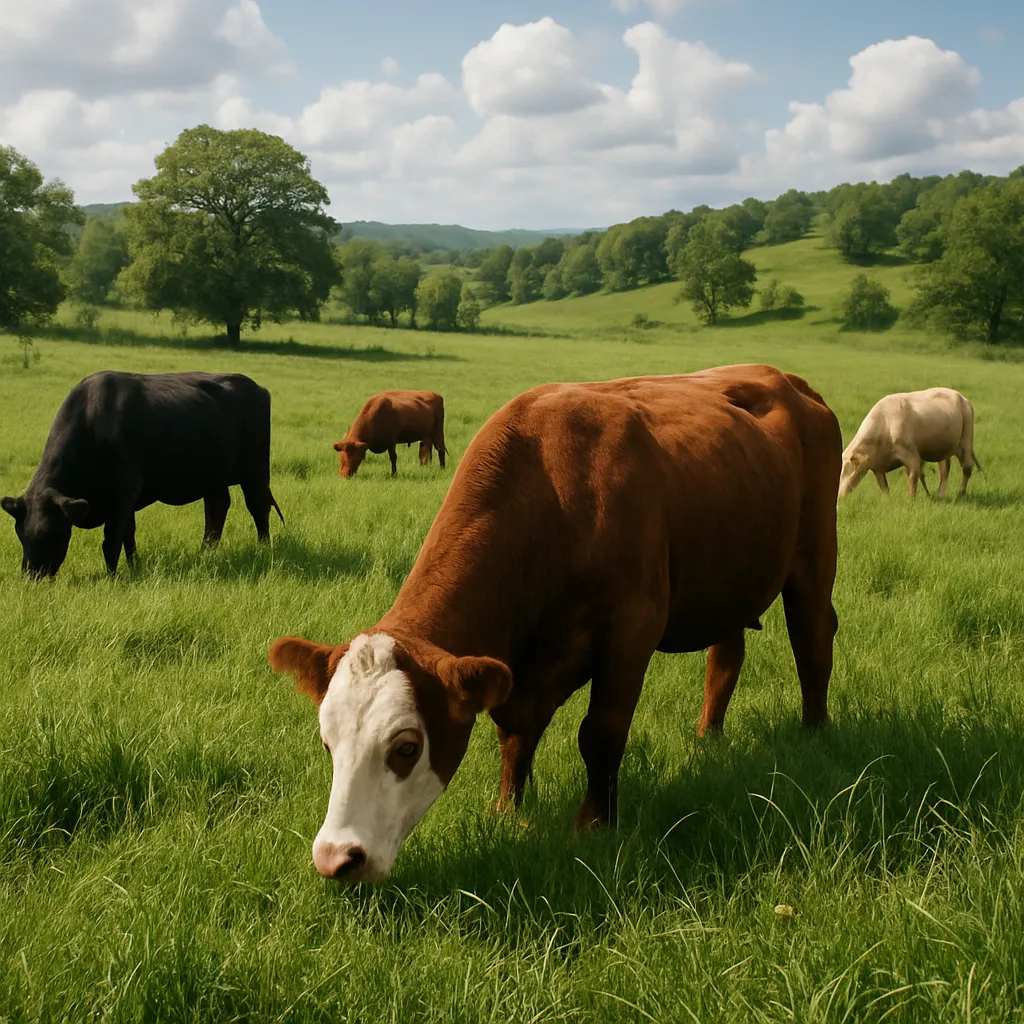
Integrating crop production, livestock management, and resource recycling into a single harmonious operation can transform a traditional farm into a vibrant, self-sustaining ecosystem. By closing nutrient and water loops, farmers can reduce waste, lower input costs, and boost overall efficiency. This guide explores practical strategies and techniques for constructing a truly sustainable closed-loop farm system.
Principles of Closed-Loop Farming
At the heart of every closed-loop farm is the concept of complete resource reutilization. Organic residues, wastewater, and byproducts from one production stream become valuable inputs for another. The system’s core aims are to maintain soil health, promote biodiversity, and enhance on-farm resilience against environmental stresses and market fluctuations.
1. Nutrient Cycling
Nutrient cycling ensures that essential elements like nitrogen, phosphorus, and potassium continuously move through the farm ecosystem rather than being lost. Strategies include:
- Composting plant residues and animal manure to create rich organic fertilizers.
- Rotating leguminous cover crops to naturally fix atmospheric nitrogen.
- Capturing livestock urine in biofilters and returning the treated effluent to crop beds.
- Using vermicomposting systems to accelerate decomposition and produce high-quality worm castings.
2. Water Reuse
Efficient water management reduces freshwater withdrawals and recycles runoff. Key practices involve:
- Collecting roof and runoff water in lined storage ponds.
- Installing drip irrigation fed by treated greywater or rainwater tanks.
- Integrating aquaculture ponds where fish effluent feeds hydroponic plant cultures.
- Employing constructed wetlands to purify wastewater before reuse.
3. Energy Integration
On-farm energy loops combine generation and consumption to minimize fossil fuel reliance. Techniques include:
- Capturing methane from anaerobic digesters processing manure and crop residues.
- Installing solar panels on greenhouse roofs to power pumps and lighting.
- Utilizing biomass boilers that burn prunings, straw, or shell husks for heat.
Designing an Integrated System
Creating a closed-loop operation begins with mapping material flows between different farm components. This planning phase balances production goals with ecological constraints to maximize productivity while safeguarding natural resources.
Site Assessment and Layout
Evaluate topography, soil types, water availability, and climate to determine optimal placement of fields, pastures, ponds, and infrastructure. Grouping related processes reduces piping length and pumping costs. For instance:
- Position livestock housing down-gradient from crop fields to facilitate manure transport by gravity.
- Place rainwater catchment near greenhouse benches for direct irrigation.
- Design pond clusters adjacent to hydroponic bays to simplify water circulation.
Component Selection
Choosing the right technologies and species is crucial. Consider:
- Dual-purpose animals, such as ducks for pest control and egg production.
- Fast-growing forage species like alfalfa that supply both livestock feed and green manure.
- Modular bioreactors that can scale with manure volumes.
- Automated sensors for real-time monitoring of soil moisture, nutrient levels, and pH.
System Modeling
Before construction, develop simple mass-balance models to predict nutrient loads, water demands, and energy outputs. Open-source software or spreadsheets can help optimize component sizes and schedules. Accurate modeling prevents overloading digesters or water tanks and highlights bottlenecks in nutrient cycling.
Implementing Core Components
Transitioning from design to operation requires phased installation, thorough staff training, and continuous monitoring. Each module should be tested individually before full integration.
Animal Integration
Livestock play multiple roles beyond meat, milk, or eggs. Their manure becomes a critical resource:
- Install collection mats under feeding areas to capture droppings and reduce ammonia emissions.
- Route fresh manure to an anaerobic digester, generating biogas and a stabilized biofertilizer.
- After digestion, apply the effluent to crop fields or pass it through wetland filters to remove pathogens.
Cropping Strategies
Intensify land use with polyculture and intercropping. Benefits include higher yields per hectare, improved pest suppression, and more efficient light capture. Key tactics:
- Combine deep-rooting and shallow-rooting species to exploit different soil strata.
- Sow fast-growing greens between slow-maturing crops to harvest additional biomass.
- Use living mulches to protect soil, conserve moisture, and add biomass when terminated.
Aquaponic and Hydroponic Integration
Linking fish tanks to plant beds creates a compact, high-turnover system. Critical factors:
- Maintain water temperature, oxygen levels, and pH within species-specific ranges.
- Balance stocking density of fish with plant surface area to match nutrient production and uptake.
- Incorporate biofilters to convert toxic ammonia into nitrate, the preferred plant nutrient.
Operational Strategies and Tips
Once systems are in place, ongoing management ensures stable, nutrient-rich cycles and robust yields. The following guidelines will help sustain long-term performance:
Monitoring and Adaptive Management
Regularly sample soil, water, and plant tissue to track nutrient levels and detect imbalances early. Use data-driven decision tools to adjust feed rates, irrigation schedules, and nutrient supplements. A systematic logbook or digital dashboard enhances transparency and aids troubleshooting.
Pest and Disease Control
Closed-loop farms can leverage farm-generated resources to combat pests:
- Apply compost teas rich in beneficial microbes as foliar sprays for disease suppression.
- Introduce predatory insects or pathogen-fighting bacteria cultured in on-site bioreactors.
- Use crop residues to trap and destroy slugs or beetles before they infest main crops.
Enhancing Innovation and Community Engagement
Invite researchers, interns, and neighboring farmers to participate in trials of new crop varieties or bioremediation techniques. Hosting regular farm tours, workshops, and knowledge exchanges fosters a culture of renewable thinking and continuous improvement.
Scaling Up
As system throughput grows, parallel modules can be added to boost capacity without disrupting existing loops. Evaluate potential expansions through updated mass-balance models, ensuring that additional livestock or greenhouse benches won’t overwhelm storage or treatment units.
Advanced Tips for Elevated Performance
Biochar and Soil Carbon
Incorporating biochar into compost and soil enhances nutrient retention and microbial habitat. It also sequesters carbon for decades, contributing to climate resilience and soil structure improvement.
Multi-Trophic Interactions
Design ecosystems that support multiple feeding levels—plants, herbivores, omnivores, and decomposers. These interactions maintain checks and balances on pests while cycling energy and materials effectively.
Continuous Learning
Attend industry conferences, review scientific literature, and join peer-to-peer networks. Staying informed of cutting-edge research and productivity-boosting methods is essential for long-term success in closed-loop agriculture.