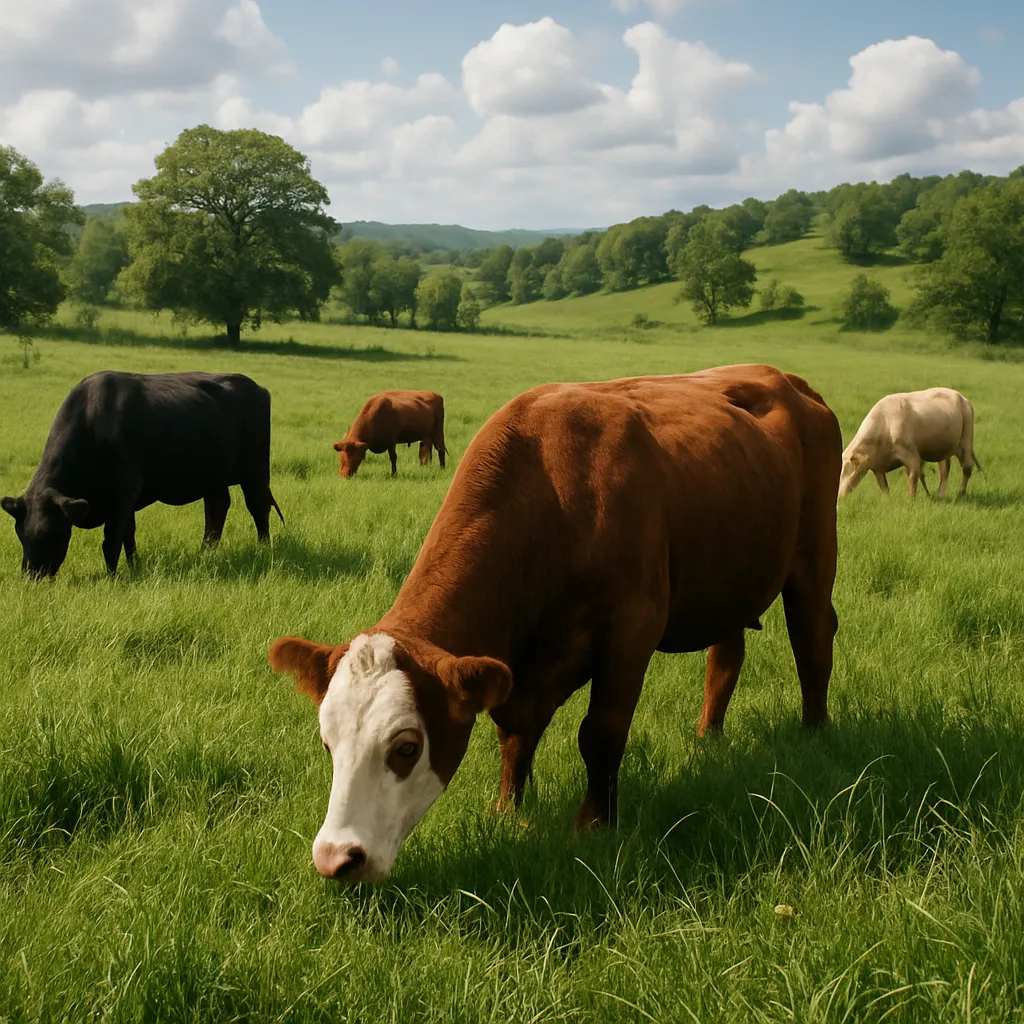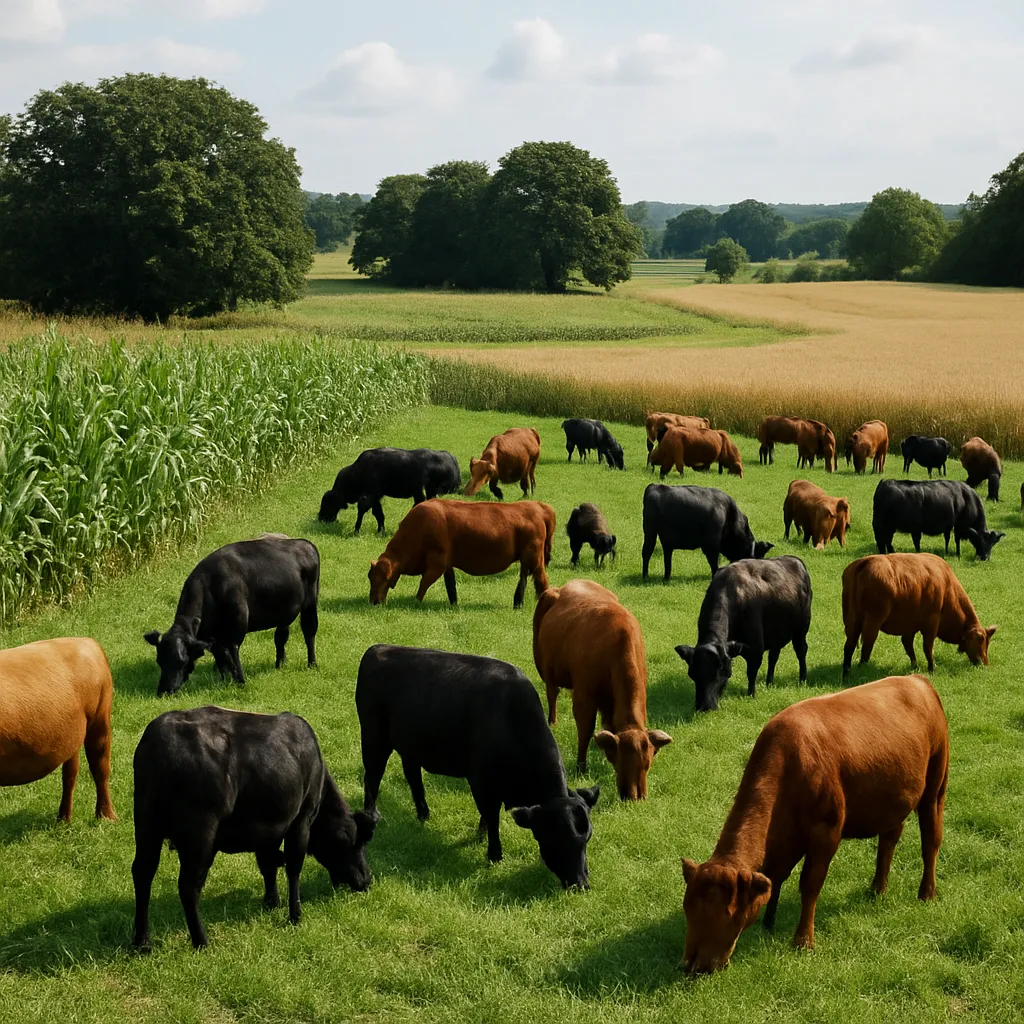
Regenerative agriculture offers a transformative path toward sustainable food production by weaving together livestock and crop enterprises. When balanced thoughtfully, these integrated systems enhance soil health, boost biodiversity, and foster long-term resilience on the farm. This article explores practical strategies, design principles, and management practices to achieve a symbiotic relationship between animals and plants in modern regenerative operations.
Understanding Regenerative Agriculture and Integration
At its core, regenerative agriculture focuses on improving the vitality of the land rather than merely extracting resources. By closing nutrient loops and encouraging natural processes, farmers can restore degraded soils and strengthen whole-farm ecosystem functions. Integrating livestock and crops plays a central role in this approach, since animals can serve as living tools to cycle fertility, manage vegetation, and support carbon sequestration.
Core Principles
- Soil Health: Building a living, porous soil rich in organic matter.
- Polyculture: Growing diverse plant species to reduce pests, improve nutrient uptake, and maintain habitat.
- Rotational Grazing: Moving herds frequently to mimic natural patterns, preventing overgrazing and stimulating plant regrowth.
- Nutrient Cycling: Allowing manure and crop residues to return nutrients to the soil, maintaining fertility without synthetic inputs.
- Agroforestry: Integrating trees within pastures or fields to provide shade, windbreaks, and deep root systems.
By employing these principles, farmers can harness the innate synergy between animals and plants, creating a dynamic system that thrives on diversity and regeneration.
Designing a Balanced Livestock-Crop System
Successful integration requires thoughtful planning to align the life cycles, nutritional needs, and movement of livestock with the growth patterns of crops. Consider the following steps when designing your system:
1. Assessing Land Capability and Resources
- Map soil types, topography, and existing vegetation to identify suitable zones for grazing and cropping.
- Analyze water sources—natural springs, ponds, and rainfall—to ensure livestock have reliable access without causing erosion.
- Inventory existing fences, corridors, and shelters to determine how easily you can subdivide pastures.
2. Choosing Livestock and Crop Combinations
Matching animal species to the forage base and cropping rotations is vital. Diverse herds—sheep, goats, poultry, and cattle—consume different plants and leave varied manure signatures:
- Sheep and goats target brush and broadleaf weeds, complementing grass-dominant pastures.
- Cattle prefer grasses and can open up soil surface, benefiting subsequent cover crops.
- Poultry perform well on aftermath grazing areas, picking insects and distributing manure.
3. Planning Rotational Grazing and Crop Rotations
A rotational scheme ensures that animals move before they overgraze, while crops follow livestock to capitalize on residual fertility:
- Divide your property into paddocks that suit herd size and forage growth rate.
- Develop a grazing chart to track when each paddock was grazed and when it’s due for rest.
- Incorporate cover crops—clover, rye, radish—to break pest cycles and build nutrient cycling between cash crops.
4. Integrating Agroforestry and Silvopasture
Combining trees, forage, and livestock on the same land amplifies benefits:
- Tree rows act as windbreaks, reducing heat stress on animals.
- Deep-rooted species like chestnut and walnut bring up nutrients that improve surface soil over time.
- Shade from tree canopies lowers pasture temperature, extending grazing hours during summer.
Management Practices for Ongoing Success
Once your system is in place, adopting proactive management and monitoring techniques ensures its vitality. Below are essential practices for maintaining a thriving integrated farm:
Frequent Monitoring and Adaptive Management
- Inspect pastures weekly to assess biomass, species composition, and signs of overuse.
- Use simple tools—ruler, shovel, notebook—to measure average pasture height and residual cover.
- Adjust stocking density and rest periods based on plant recovery rates and seasonal growth patterns.
Soil Testing and Biological Indicators
Beyond standard nutrient tests, consider biological assessments to gauge progress:
- Earthworm counts reveal soil structure and microbial life.
- Visual soil assessments—aggregate stability and color—indicate organic matter levels.
- Periodic carbon tests help quantify gains in carbon sequestration.
Water and Erosion Control
Protecting water resources sustains both crops and livestock:
- Install water troughs in paddocks to prevent wildlife and livestock from accessing streams directly.
- Implement contour plowing or swales across sloping fields to slow water flow and store moisture.
- Maintain vegetative buffers around waterways to filter runoff and stabilize banks.
Integrated Pest and Weed Management
Healthy, diverse systems resist pest outbreaks and invasive species:
- Encourage predatory insects and birds by maintaining hedgerows and wildflower strips.
- Use targeted grazing by goats or sheep to reduce brush and broadleaf weeds.
- Rotate crops and include smother cover crops to break disease cycles.
Optimizing Economic and Community Benefits
Regenerative systems foster not only ecological health but also financial viability and social well-being:
Diversified Income Streams
- Sell rotationally grazed meat, poultry, or eggs at premium prices under a regenerative label.
- Offer agritourism experiences—farm tours, workshops on polyculture or silvopasture techniques.
- Process on-farm compost from manure and crop residues for sale to nearby growers.
Strengthening Community Connections
- Partner with local chefs and restaurants to showcase pasture-raised products.
- Host volunteer days or school visits to teach principles of ecosystem management.
- Collaborate with neighboring farms to share equipment, seed stocks, and marketing channels.
Long-Term Risk Management
Resilient systems withstand environmental and market fluctuations better than monocultures:
- Diverse forage species reduce drought risk by combining deep-rooted and shallow-rooted plants.
- Mixed-species grazing dampens price swings—one livestock type may perform well when another faces challenges.
- Healthy soils buffer extreme weather, maintaining productivity during dry spells and heavy rains.
By embracing these design and management strategies, farmers can create harmonious regenerative operations where livestock and crops support each other. This synergy drives continuous improvements in biodiversity, nutrient cycling, and overall farm productivity, paving the way for a sustainable agricultural future.