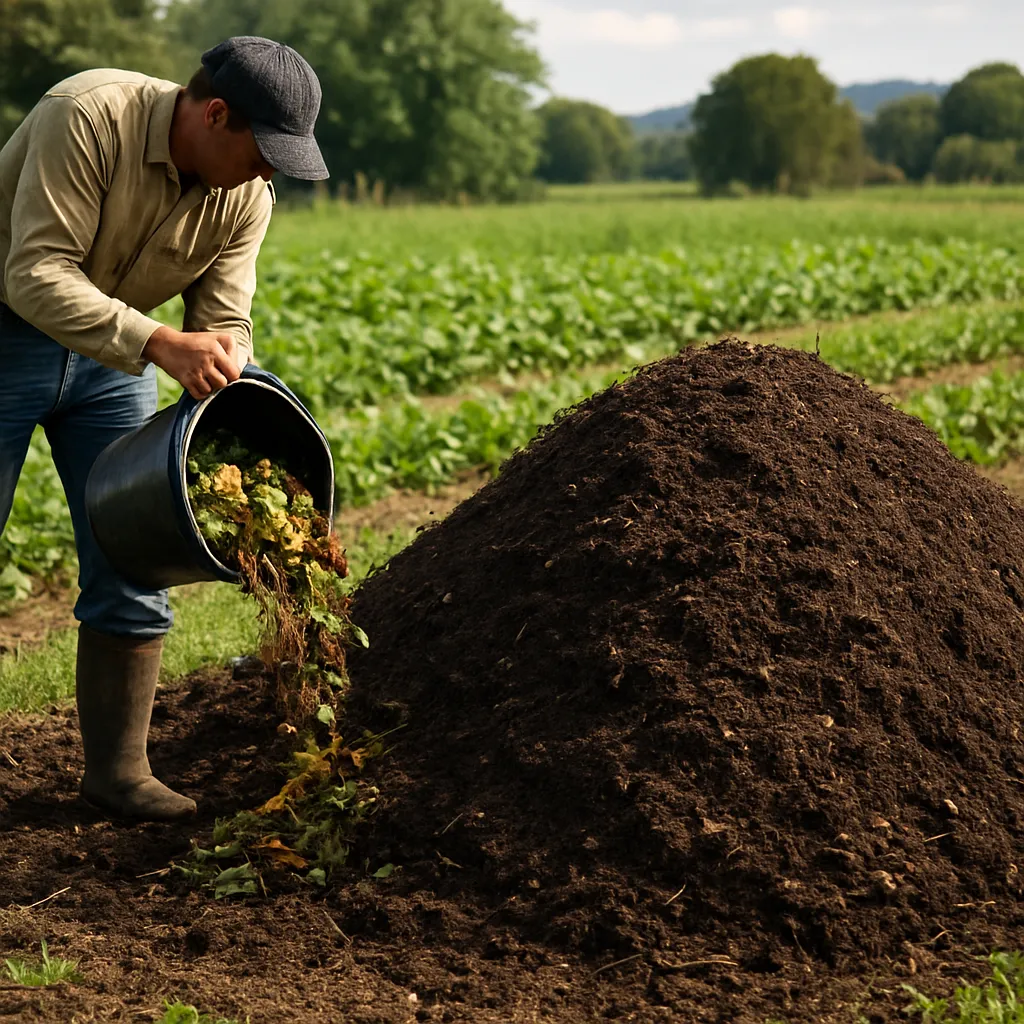
Regenerative agriculture represents a transformative approach to food production, aiming to restore the vitality of the land while ensuring long-term productivity. By focusing on holistic strategies that rebuild soil organic matter, enhance biodiversity, and promote carbon sequestration, farmers can create resilient systems that offer both environmental and economic benefits. This article explores the foundational principles, practical techniques, and real-world advantages of regenerative practices, along with actionable tips for growers seeking to embrace this innovation-driven paradigm.
Principles of Regenerative Agriculture
At its core, regenerative agriculture is grounded in the belief that farming should not merely maintain the status quo but actively improve ecosystems. Central to this philosophy is the idea of working with natural processes to build healthy soils capable of supplying essential nutrients to crops. Instead of relying heavily on synthetic inputs, practitioners leverage cover crops, crop rotations, and minimal tillage to cultivate robust ecosystems both above and below ground.
Another fundamental principle involves recognizing the interdependence of soil life, plants, animals, and water cycles. By fostering symbiotic relationships among these components, regenerative systems can reduce erosion, increase water infiltration, and maintain a balanced microclimate on the farm. This holistic mindset shifts the focus from short-term yields to long-term sustainability, emphasizing the health of the entire food web.
Key Cornerstones
- Maintaining continuous ground cover to protect soil from erosion.
- Implementing diverse crop rotations to disrupt pest cycles.
- Integrating livestock grazing to cycle organic matter.
- Minimizing mechanical disturbance to preserve soil structure.
- Encouraging beneficial insect and microbial activity.
Techniques and Practices
Regenerative farmers employ an array of methods tailored to local conditions. Cover crops such as legumes, grasses, and brassicas serve multiple functions: they suppress weeds, fix atmospheric nitrogen, and supply organic residues to the soil. When terminated properly, cover crops leave behind a protective mulch layer that conserves moisture and supports a thriving microbial community.
Crop rotation stands as another pillar of regenerative design. Alternating deep-rooted species with shallow-rooted ones optimizes nutrient cycling and reduces pathogen buildup. For example, a sequence of corn, soybeans, small grains, and brassicas can break pest cycles, diversify biomass contributions, and maintain balanced soil fertility. In some systems, integrating perennial plants further stabilizes carbon reserves and curbs seasonal erosion.
Grazing management also plays a vital role. By strategically moving livestock across pasture sections—a practice known as adaptive multi-paddock grazing—farmers mimic natural herd movements. This stimulates plant regrowth, deposits manure evenly, and prevents overgrazing. With careful planning, animals become partners in the regeneration process, enhancing resilience and water retention.
Lastly, many regenerative operations adopt reduced or no-till seeding technologies. These minimize soil disturbance, preserving delicate fungal networks and improving aggregate stability. Alongside living roots and organic matter, undisturbed soils better capture rainfall, sequester carbon, and nurture the arthropods and mycorrhizae essential for healthy crop growth.
Benefits for Farmers and the Environment
Transitioning to regenerative methods can lead to substantial gains on multiple fronts. Economically, reduced reliance on chemical fertilizers and pesticides lowers input costs, while improved soil fertility enhances crop yield consistency under variable weather. Socially, communities benefit from cleaner water sources and enriched rural economies.
Ecologically, regenerative systems dramatically improve biodiversity. Diverse plantings and habitat-friendly practices attract pollinators, predatory insects, and birds that help control pests naturally. Enhanced soil carbon draws down atmospheric greenhouse gases, contributing to climate change mitigation. In many cases, active restoration of wetlands and riparian buffers further safeguards aquatic ecosystems from runoff and sedimentation.
- Up to 50% reduction in external input expenses.
- Increase of 20–40% in soil organic matter over five years.
- Enhanced drought resilience through better water infiltration.
- Strengthened local supply chains and farm profitability.
- Improved wildlife habitat and ecosystem services.
Tips for Adopting Regenerative Practices
1. Start small by dedicating a test plot to new methods. Monitor changes in soil structure, moisture, and organic matter before scaling up. Detailed record-keeping helps fine-tune the approach and justify adjustments.
2. Collaborate with agronomists, extension services, and fellow producers. Peer-to-peer learning accelerates the adoption curve and fosters shared solutions for region-specific challenges like pest outbreaks or nutrient deficiencies.
3. Invest in soil testing and mapping. Understanding baseline nutrient levels and pH variations enables precise cover crop mixes and amendment applications. Regular monitoring reveals trends and informs future decisions.
4. Embrace adaptive management. Nature is dynamic, and regenerative systems require flexibility. Respond to unexpected weather events, insect pressures, or market shifts by adjusting grazing schedules, crop timings, and species selections.
Challenges and Future Outlook
Despite its promise, regenerative agriculture faces hurdles. Upfront costs for specialized equipment, learning curves for new techniques, and market structures still favor conventional production models. Policy incentives and carbon credit frameworks are evolving but often lag behind the pace of farmer-led innovation.
However, as consumer demand for transparent, eco-friendly food rises, supply chains are beginning to reward regenerative credentials. Companies and cooperatives are investing in verification systems, premium pricing, and carbon trading schemes that recognize the long-term value of healthy soils and robust ecosystems.
Looking ahead, continued research into microbial inoculants, precision cover crop termination, and data-driven land management promises further gains. By blending traditional wisdom with cutting-edge technology, regenerative agriculture is poised to redefine the relationship between growers, consumers, and the planet—securing a more abundant, resilient future for global food systems.