Regenerative agriculture offers a transformative approach to farming that goes beyond mere sustainability. By focusing on restoring ecosystems, enhancing soil fertility, and increasing biodiversity, this method not only improves yields but also plays a critical role in combating climate change. Farmers and enthusiasts alike can adopt practical strategies to foster healthier landscapes, boost resilience, and contribute to global efforts toward a more sustainable food system.
Core Principles of Regenerative Agriculture
At its heart, regenerative agriculture seeks to revitalize degraded lands and maintain balance within natural systems. Practitioners emphasize the following guiding principles:
- Soil Health: Building organic matter and microbial life in the soil to support plant growth and nutrient cycling.
- Biodiversity: Encouraging a variety of crops, cover plants, and livestock to create stable, resilient ecosystems.
- Carbon Sequestration: Capturing atmospheric carbon dioxide in plant biomass and soil organic matter to mitigate greenhouse gas emissions.
- Water Retention: Enhancing the soil’s capacity to absorb and hold water, reducing erosion and irrigation needs.
- Minimal Disturbance: Reducing tillage and chemical inputs to preserve soil structure and life.
Innovative Techniques for Soil and Crop Management
Implementing regenerative methods requires specific practices that work in harmony with nature. Below are key strategies farmers can integrate:
Cover Cropping and Crop Rotation
- Planting diverse cover crops—such as clover, rye, or vetch—during off-season to protect and enrich the soil.
- Rotating cereals, legumes, and brassicas to break pest cycles, improve nutrient availability, and maintain soil health.
Reduced Tillage and No-Till Systems
Minimizing mechanical disturbance preserves soil structure, reduces erosion, and fosters beneficial microbial communities. By adopting no-till or low-till approaches, farmers can enhance carbon sequestration and reduce fuel consumption.
Composting and Organic Amendments
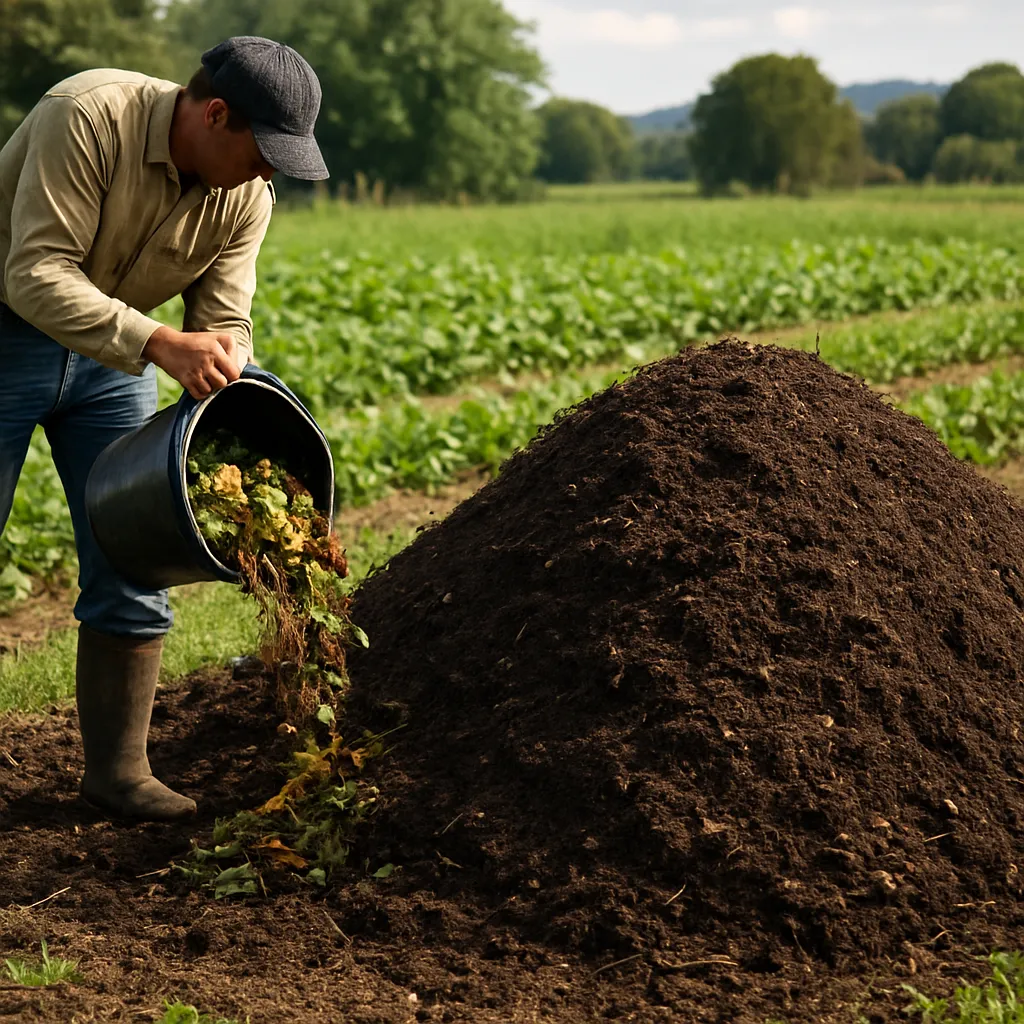
- Applying well-managed compost to increase organic matter and nutrient content.
- Utilizing manure, biochar, or green manures to boost soil fertility and water-holding capacity.
Agroforestry and Silvopasture
Integrating trees and shrubs within agricultural fields or grazing lands creates multifunctional landscapes. This practice supports:
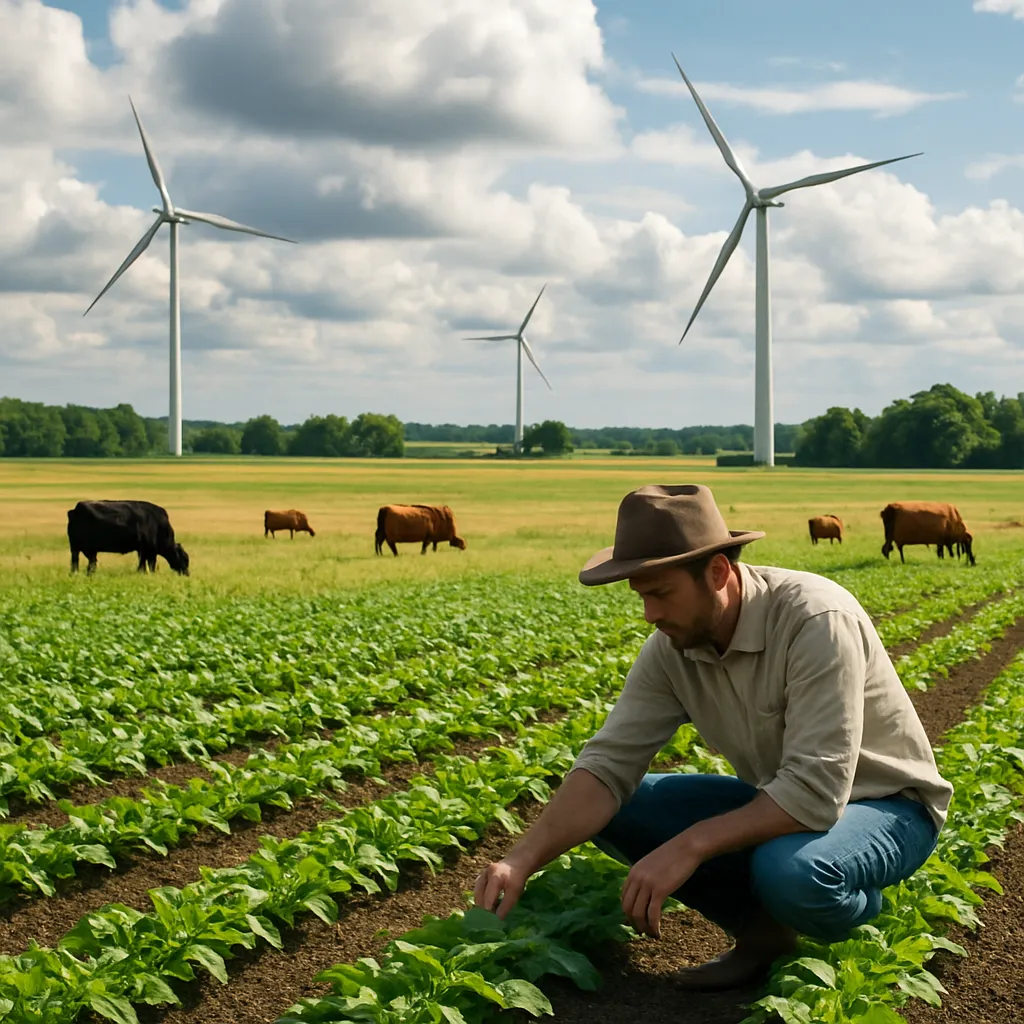
- Enhanced biodiversity by providing habitats for wildlife.
- Additional carbon sinks through woody biomass.
- Microclimate regulation, improving water retention and shade for crops or livestock.
Measuring Environmental and Climatic Benefits
Quantifying the impact of regenerative systems is crucial for understanding their role in global climate solutions. Key metrics include:
Soil Organic Carbon (SOC)
Regular soil tests reveal changes in carbon sequestration levels, indicating the effectiveness of cover cropping, reduced tillage, and organic amendments.
Water Infiltration Rates
Improved water retention can be assessed through infiltration tests, which measure how quickly water permeates the soil surface.
Biodiversity Indices
Monitoring plant and insect species diversity helps evaluate the resilience of agroecosystems and the success of habitat-building efforts.
Yield and Profitability
While initial transitions may require investment, long-term gains often include reduced input costs, improved crop quality, and diversified income streams from agroforestry or livestock integration.
Practical Tips for Adopting Regenerative Practices
Farmers and gardeners can begin small and scale up over time. Consider these recommendations:
- Start with test plots to trial cover cropping mixtures and observe local results.
- Keep detailed records of soil tests, planting dates, and yields to track progress in soil health and productivity.
- Engage in knowledge-sharing networks or workshops to learn region-specific strategies.
- Incorporate livestock in controlled silvopasture or rotational grazing systems to distribute manure and stimulate ecosystem diversity.
- Utilize precision tools—such as moisture sensors or drone imaging—to optimize water use and detect early signs of nutrient deficiency.
- Plan buffer zones with native plants to support pollinators and natural pest predators, enhancing overall biodiversity.
- Integrate on-farm composting to recycle organic residues and reduce dependence on synthetic fertilizers.
- Monitor greenhouse gas emissions using simple calculators to understand reductions in carbon footprint.
- Collaborate with researchers or extension services for free or low-cost soil and water analyses.
- Explore value-added products—such as herbal teas, specialty grains, or tree fruits—to diversify revenue and support economic resilience.
Scaling Up and Future Outlook
Widespread adoption of regenerative agriculture has the potential to restore millions of hectares of degraded land, lock away atmospheric carbon, and build resilient food systems. Policy incentives, consumer awareness, and investment in research will further accelerate this transition. By embracing sustainability alongside innovation, farmers can secure healthier soils, stable yields, and a vibrant environment for generations to come.