Building a farm that thrives in harmony with the natural world requires thoughtful planning and a deep respect for the living processes that sustain life. From nurturing the ground beneath our feet to harnessing modern tools, every decision can strengthen the connection between agriculture and the environment. This guide explores practical strategies for creating a resilient, low-impact farm where plants, animals, and people all benefit.
Preserving Soil Health through Regenerative Practices
Healthy fields begin with healthy earth. By adopting regenerative methods, farmers can enrich soil structure, boost nutrient cycling, and reduce erosion. Key approaches include:
- Cover Cropping: Planting species such as clover, vetch, or rye in off-seasons protects bare soil from wind and water erosion. Cover crops also add organic matter and support populations of beneficial microorganisms.
- Reduced Tillage: Minimizing mechanical disturbance preserves soil aggregates and prevents the breakdown of soil health–promoting habitats for earthworms and microbes. No-till or strip-till systems can cut labor and fuel costs while enhancing moisture retention.
- Composting and Organic Amendments: Incorporating well-aged compost or vermicast enriches the soil with essential nutrients and humus. This practice improves water infiltration and encourages the growth of plant-friendly fungi and bacteria.
- Integrating agroforestry elements like hedgerows and tree alleys can anchor topsoil, suppress weeds, and provide wildlife corridors. Deep roots of trees and shrubs cycle minerals from subsoil layers, making them available to annual crops.
Efficient Water Management and Smart Irrigation
Water scarcity and unpredictable rainfall patterns make careful water stewardship vital. Implementing intelligent strategies reduces waste and ensures crops receive moisture when they need it most.
Rainwater Harvesting and Storage
- Collect roof runoff into barrels or cisterns for use during dry spells.
- Create swales—shallow, contour-aligned ditches—to slow runoff, allowing water to infiltrate and recharge groundwater.
Precision Irrigation Techniques
- Drip Irrigation: Delivers water directly to plant roots, reducing evaporation losses by up to 90% compared to overhead sprinklers.
- Use soil moisture sensors and automated valves to schedule irrigation based on real-time data, avoiding both overwatering and stress-induced under-irrigation.
Collectively, these measures foster resilience against drought and reduce energy costs associated with pumping and distribution.
Enhancing Biodiversity and Crop Diversification
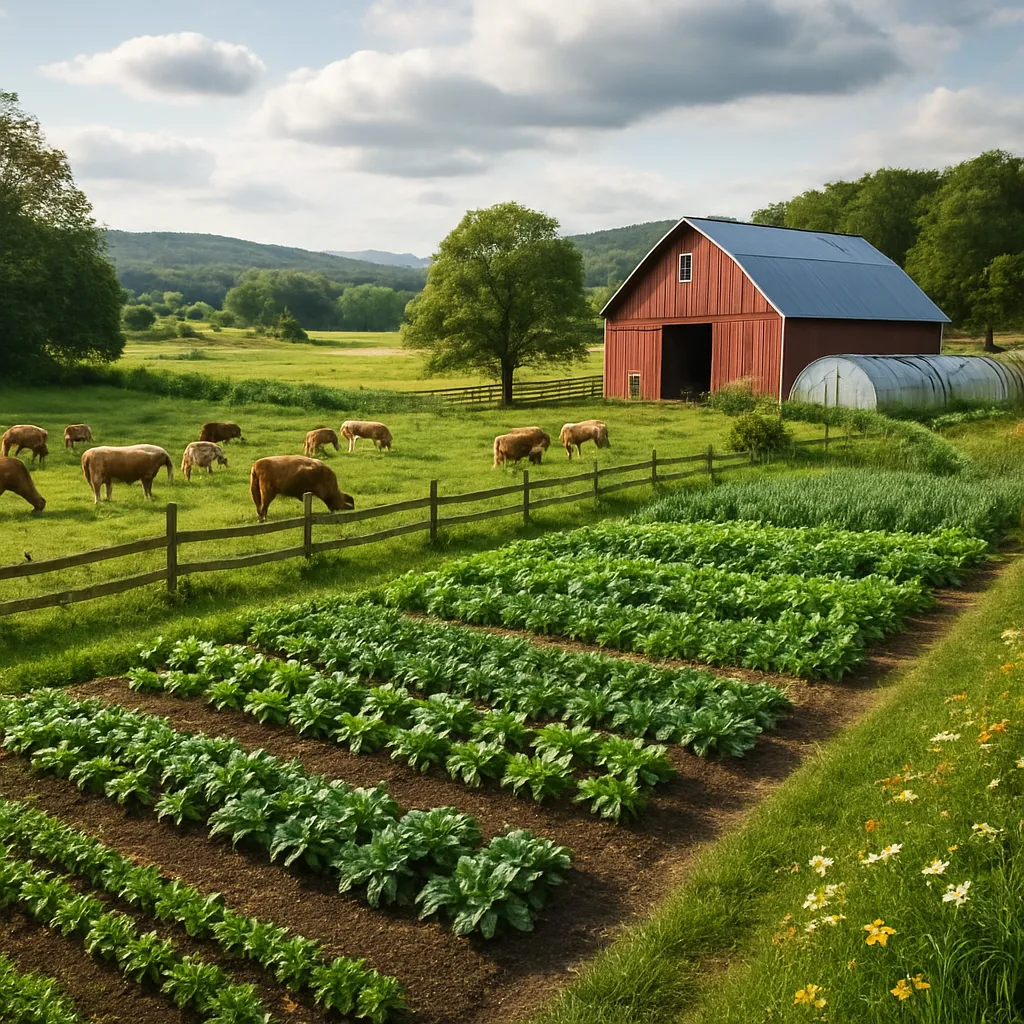
Diverse farm ecosystems are naturally more stable and better at suppressing pests and diseases. Embracing a variety of plant species and integrating animals can create a self-regulating environment:
- Polyculture Systems: Instead of vast monocultures, cultivate multiple crops together, such as interplanting grains with legumes and herbs. Legumes fix nitrogen, reducing the need for synthetic fertilizers.
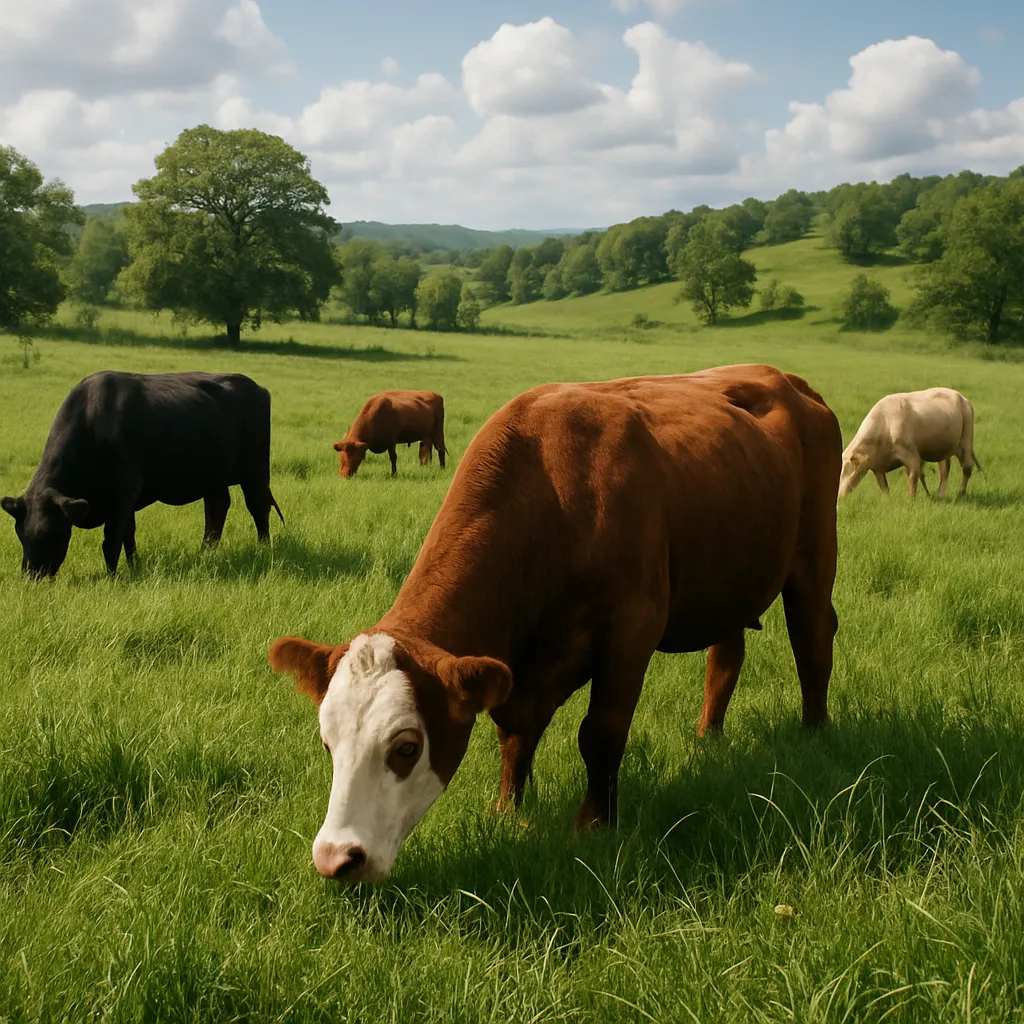
- Introduce rotational grazing with chickens, sheep, or goats. Their grazing and manure help cycle nutrients, control weeds, and reduce external feed inputs.
- Establish wildflower strips or insectary beds adjacent to fields. These patches supply nectar and pollen for predatory insects and pollinators, strengthening the farm’s ecological symbiosis.
- Practice multi-year crop rotation to interrupt pest life cycles and improve soil fertility across seasons. A well-planned rotation can boost yields by maintaining a balanced nutrient profile in the earth.
Integrating Technology and Traditional Knowledge
Successful modern farms blend cutting-edge tools with time-honored wisdom. By respecting ancestral practices and leveraging innovations, you can maximize productivity while keeping ecological footprints low.
- Remote Sensing and Drones: Monitor crop health, soil moisture, and pest outbreaks from the air. Early detection allows targeted interventions rather than blanket treatments.
- Mobile Apps and Data Platforms: Track planting dates, harvest yields, and input applications. Benchmarking against previous seasons helps refine management strategies and improve decision-making.
- Traditional Observation: Walk fields regularly, noting subtle signs like insect activity, plant vigor, or shifts in soil color. Local knowledge of weather patterns and seasonal indicators complements high-tech data.
- Participatory Learning: Engage with farming networks, extension services, or peer groups to exchange insights. Workshops on permaculture design, seed saving, and natural pest control can build collective expertise.
Nurturing an Ethical and Sustainable Farm Culture
Beyond technical measures, fostering a farm culture that values ecological stewardship and community well-being is essential. Consider these guiding principles:
- Prioritize fair labor practices, proper housing for workers, and equitable profit-sharing models.
- Build direct relationships with local consumers through farmers’ markets or CSAs, emphasizing transparency about your ecosystem-friendly methods.
- Invest in continuous education—both for yourself and your team—to stay informed on agroecology, climate resilience, and market trends.
- Set measurable goals for carbon sequestration, biodiversity enhancement, and water conservation. Tracking progress keeps sustainability at the forefront of farm management.