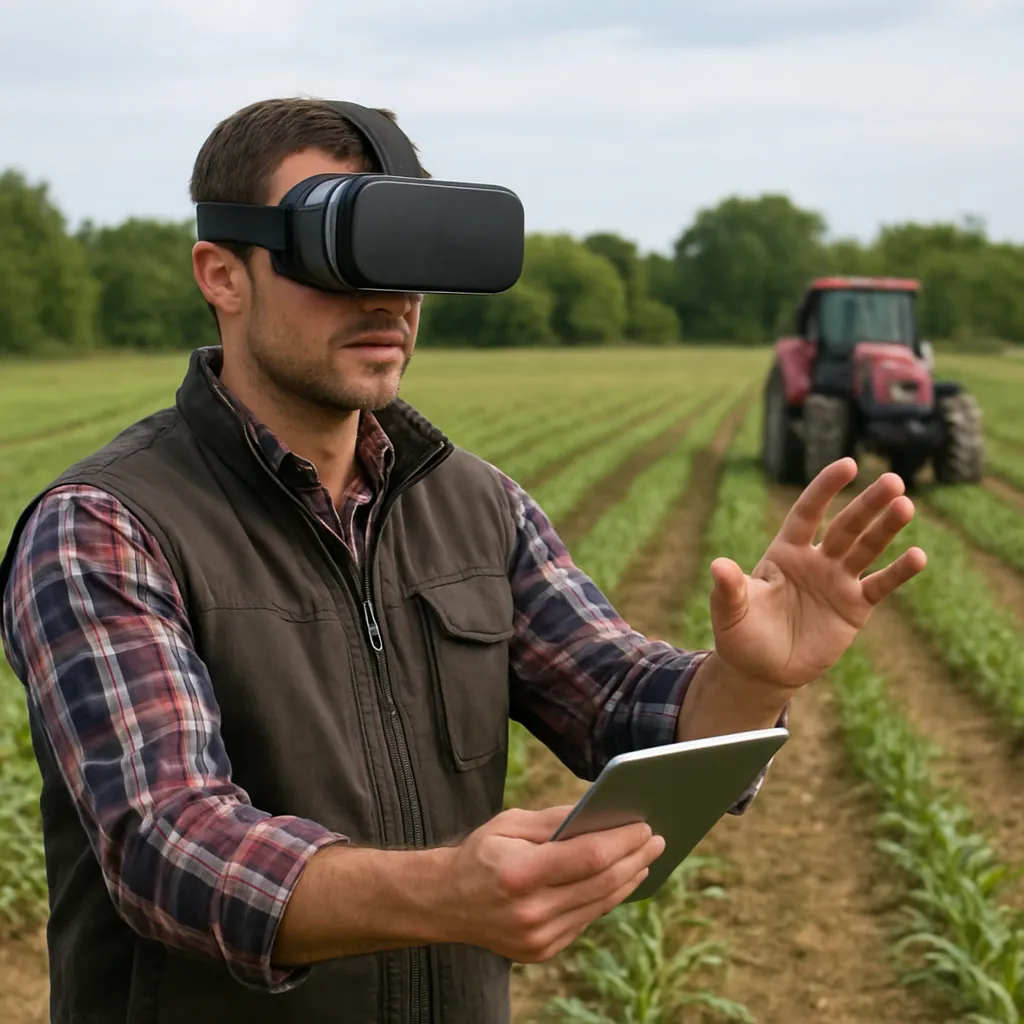
Virtual Reality (VR) is transforming the way agricultural professionals learn, experiment, and adopt new methods. By creating immersive environments that replicate real-world farm scenarios, VR enhances traditional training programs with Simulation-based experiences. This article explores how VR is applied in agricultural training, highlights its key advantages, and provides practical tips for successful implementation.
Virtual Reality Integration in Agricultural Training
The incorporation of Virtual Reality into agricultural education is gaining momentum. Institutions and private enterprises are developing VR modules that cover a wide range of farm operations.
- Crop Management Simulations: Virtual fields enable trainees to practice planting density, fertilization schedules, and pest control without the risk of crop loss.
- Equipment Operation: Users can handle Precision planters, combines, and sprayers in a safe, controlled VR environment to master complex machinery.
- Environmental Impact Scenarios: Trainees witness the consequences of overuse of chemicals, water waste, or poor soil management, fostering Sustainability-oriented decision making.
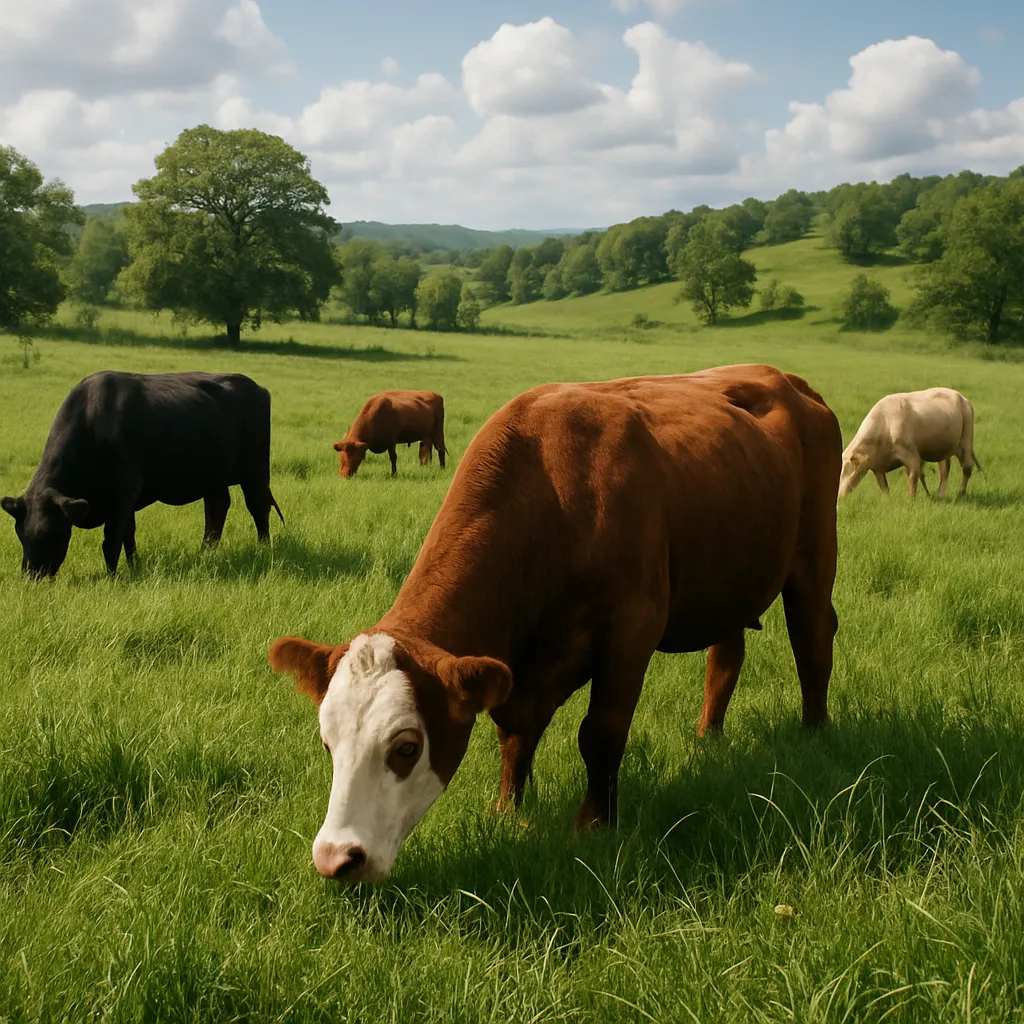
- Livestock Handling: From herd management to milking procedures, immersive experiences train farmers and veterinarians on humane and efficient livestock care.
These modules often rely on real-time data integration, enabling simulations to reflect actual weather patterns, soil conditions, and market fluctuations. VR platforms can be updated regularly to incorporate the latest research findings and regulatory standards.
Key Benefits of Immersive Learning for Farmers
By leveraging VR, agricultural training programs can achieve several critical objectives:
- Engagement: Interactive VR sessions are more compelling than slide-based presentations, leading to higher knowledge retention.
- Risk Reduction: Farmers can learn about chemical handling, heavy machinery operation, and emergency procedures without real-world hazards.
- Cost Efficiency: Although initial investment in VR hardware and software can be significant, long-term savings arise from reduced need for physical materials, travel, and on-site trainers.
- Scalability: Once developed, VR modules can train thousands of participants across different regions simultaneously.
- Performance Tracking: Integrated analytics evaluate user decisions, identify knowledge gaps, and recommend personalized follow-up modules.
Furthermore, VR can be combined with Augmented Reality (AR) overlays to support on-field tasks. For instance, trainees can consult AR instructions via smart glasses while working on actual equipment, bridging the gap between virtual practice and real-life application.
Practical Tips for Implementing VR in Agricultural Education
Effective deployment of VR solutions requires careful planning. Below are several recommendations for educational institutions, cooperatives, and agritech startups:
Define Clear Learning Objectives
- Identify the most critical farm activities and safety procedures to be included.
- Establish measurable outcomes, such as reduced training time or error rates in machinery operation.
Select the Right Hardware
- Choose Immersive headsets with adequate resolution and tracking capabilities to minimize motion sickness and maximize comfort.
- Consider standalone devices versus PC-tethered systems based on mobility needs and budget.
Develop High-Quality Content
- Work with agronomists, engineers, and instructional designers to ensure simulations are technically accurate and pedagogically sound.
- Incorporate multisensory feedback such as haptic controllers or spatial audio to enhance realism.
Train the Trainers
- Provide instructors with hands-on workshops to familiarize them with VR operation and troubleshooting.
- Encourage peer-to-peer coaching so experienced trainers can share best practices.
Plan for Maintenance and Updates
- Allocate resources for software patches, hardware servicing, and addition of new modules reflecting evolving agricultural techniques.
- Seek user feedback regularly to improve the VR experience and address any technical challenges.
Future Prospects of VR in Agriculture
The trajectory of VR in agricultural training is poised for exponential growth. Emerging trends include:
- Integration with AI to generate adaptive scenarios based on a trainee’s learning curve.
- Collaborative virtual workspaces where global teams can jointly plan planting schedules and supply chain logistics.
- Remote agronomic consulting, allowing experts to guide on-field technicians through VR sessions in real time.
As farm operations become increasingly data-driven and automated, VR training will play a pivotal role in upskilling the agricultural workforce. Early adopters who invest in these Technology-enriched methods may gain a competitive advantage by nurturing a proficient and Efficiency-focused team.