Agriculture is experiencing a profound transformation driven by digital solutions that empower farmers with unprecedented insights and operational control. By leveraging farm management systems, remote sensors, and advanced analytics, growers can boost productivity, minimize waste, and adapt to changing conditions with greater resilience. This article explores key advantages of digital farming platforms, outlines practical tips for successful adoption, and highlights strategies to foster long-term growth.
Unlocking Farm Management Efficiency
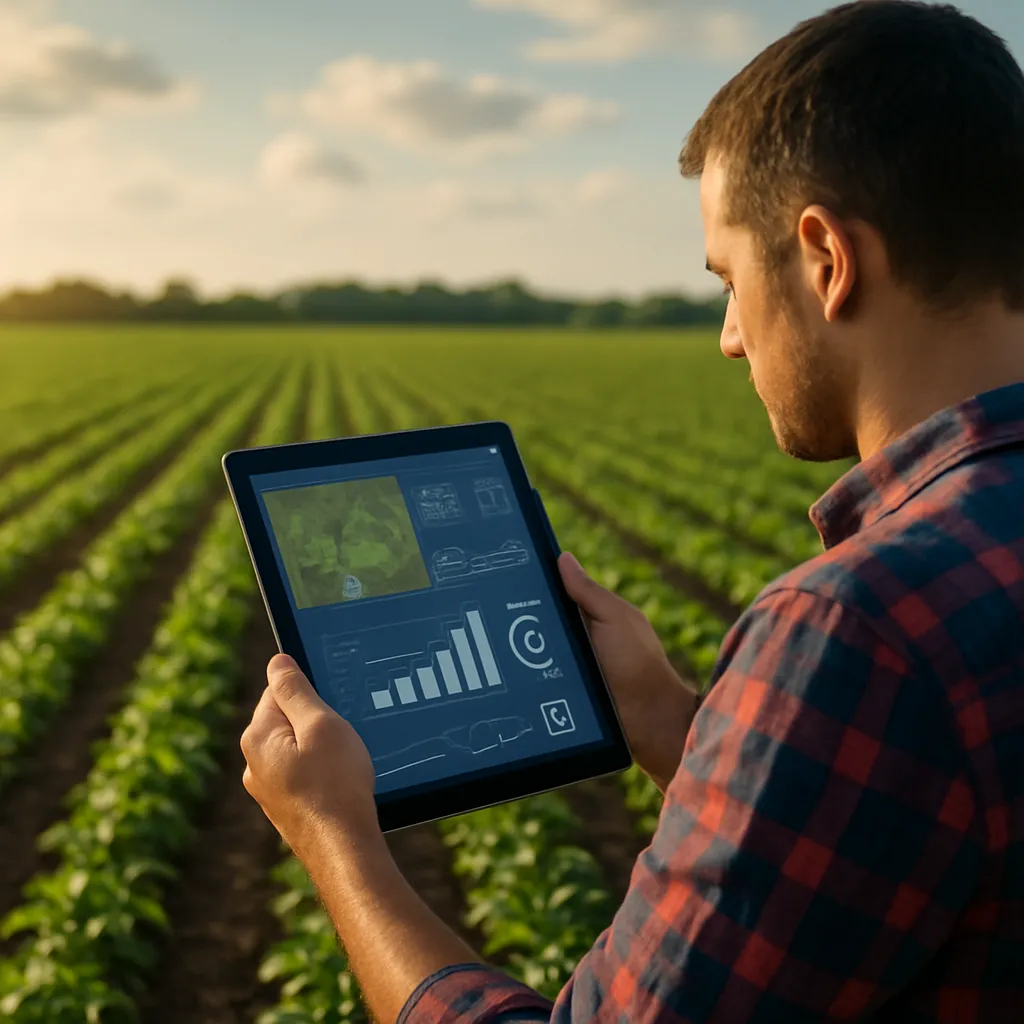
Modern farmers demand systems that integrate data from fields, machinery, and markets into a unified dashboard. A robust digital farming platform streamlines daily tasks, enabling swift responses to emerging challenges.
Data-Driven Decision Making
- Real-time monitoring: IoT sensors collect soil moisture, weather patterns, and crop health indicators around the clock.
- Historical analysis: Farm records feed into analytics engines to predict disease outbreaks and forecast optimal harvest windows.
- Automated alerts: Notifications for irrigation needs, pest thresholds, or equipment maintenance reduce manual oversight.
Precision Agriculture Techniques
- Variable rate application: Use GPS-guided sprayers and spreaders to apply fertilizers and pesticides only where needed, lowering input costs.
- Yield mapping: Combine harvester data with mapping software to identify high-performing zones and tailor crop rotation strategies.
- Drone scouting: Aerial imagery reveals plant stress early, enabling spot treatment and preserving overall yield.
By harnessing precision tools, growers can achieve up to 20% reductions in input usage while maintaining or increasing output—an impressive boost to overall efficiency.
Driving Sustainability and Resource Optimization
Environmental stewardship is no longer optional; it’s an integral part of modern farming. Digital platforms enable more judicious use of water, energy, and nutrients, directly contributing to long-term ecosystem health.
Water Management
- Soil moisture probes: Calibrate irrigation schedules based on real needs rather than fixed intervals.
- Remote control valves: Activate drip systems or sprinklers from your smartphone, adapting in real time to weather events.
- Water footprint tracking: Monitor total usage per field and compare against regional benchmarks to highlight areas for improvement.
Input and Waste Reduction
- Automated nutrient dosing: Closed-loop systems deliver fertilizers precisely, reducing runoff and soil degradation.
- Waste analytics: Track packaging, seed, and chemical usage to pinpoint inefficiencies and eliminate unnecessary expenses.
- Carbon footprint estimates: Estimate greenhouse gas output to comply with emerging regulations and access sustainability incentives.
Emphasizing sustainability not only protects natural resources but also strengthens market positioning, as buyers increasingly value eco-friendly practices.
Practical Tips for Implementing Digital Farming Tools
Transitioning from traditional methods to an integrated digital platform can seem daunting. The following guidelines will help ensure a smooth rollout and long-term success.
Assessing Needs and Selecting the Right Platform
- Inventory existing assets: Document machinery, software licenses, and connectivity levels across fields.
- Define objectives: Are you aiming to improve crop optimization, reduce labor, or enhance traceability?
- Evaluate scalability: Choose a solution that grows with your operation, adding modules for livestock, greenhouse, or post-harvest management as needed.
Training and Onboarding
- Hands-on workshops: Collaborate with platform providers to train staff on data entry, dashboard navigation, and sensor maintenance.
- Mentorship programs: Pair tech-savvy employees with those less familiar to foster peer-to-peer learning.
- Knowledge portals: Maintain a digital library of how-to videos, best practices, and troubleshooting guides accessible in the field.
Ensuring Secure Connectivity
- Network redundancy: Combine cellular, LoRaWAN, and satellite links to avoid data gaps in remote areas.
- Data encryption: Protect sensitive farm and business data from unauthorized access or cyber threats.
- Regular audits: Schedule security assessments to update passwords, patch software, and review user permissions.
Well-executed implementation fosters connectivity across operations, enabling swift collaboration among agronomists, technicians, and management teams.
Emerging Trends and Future Perspectives
As technology continues to evolve, digital farming platforms will incorporate more advanced capabilities that drive continuous improvement and adaptation.
Artificial Intelligence and Machine Learning
- Predictive modeling: AI algorithms forecast pest pressures or yield fluctuations, allowing proactive interventions.
- Image recognition: Cameras mounted on drones or tractors identify weeds and diseases autonomously.
- Natural language interfaces: Voice-activated queries simplify data retrieval in dynamic field environments.
Blockchain for Traceability
- Immutable records: Securely track each batch from seed to supermarket shelf, reassuring consumers about authenticity.
- Smart contracts: Automate payments to suppliers or insurers when predefined conditions—such as harvest volume—are met.
- Supply chain integration: Link farm data with processors and retailers to streamline logistics and reduce waste.
The integration of innovation and cutting-edge tools will continue to refine how farms operate, making them more resilient in the face of climate variability and market fluctuations.
Maximizing Returns Through Continuous Improvement
Ongoing evaluation and adaptation are essential to fully realize the potential of digital farming platforms.
Key Performance Indicators (KPIs)
- Cost per unit area: Monitor input costs against yield to assess profitability.
- Resource efficiency ratios: Compare water and fertilizer usage relative to biomass produced.
- Labor productivity: Track tasks completed per worker to identify automation opportunities.
Feedback Loops
- Field trials: Pilot new features or hardware on small plots before wide-scale adoption.
- Farmer networks: Share experiences and benchmarks with peer groups through online forums or local cooperatives.
- Continuous learning: Attend agricultural expos, webinars, and certification courses to stay abreast of best practices.
By committing to a cycle of measurement, analysis, and refinement, producers can optimize farm operations, ensuring long-term profitability and ecological balance.