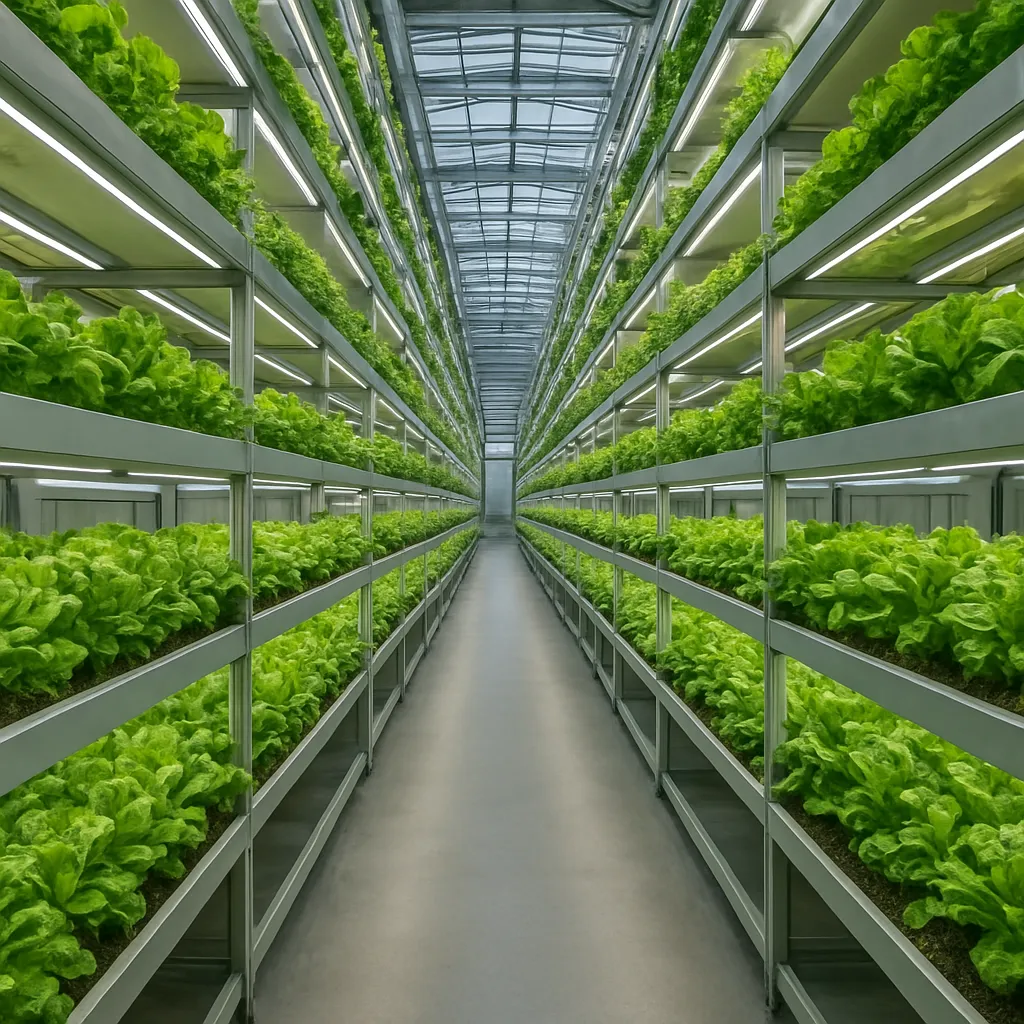
The concept of transforming unused urban spaces into thriving gardens has given rise to a revolutionary approach in food production. By stacking layers of crops in controlled environments, growers are redefining how we think about agriculture. This model promises unparalleled efficiency, reduced transportation costs, and a year-round harvest that could reshape global supply chains.
Principles of Vertical Farming
Vertical farms are designed to optimize every square meter. Instead of sprawling fields, these facilities feature multi-tiered racks illuminated by LED lights. Careful engineering ensures each plant receives ideal conditions, enhancing yield per square foot compared to traditional methods.
Maximizing Space Utilization
Urban real estate is at a premium. By growing crops in vertical stacks, farmers can produce more food on a fraction of the land. This model turns abandoned warehouses, rooftop greenhouses, and repurposed shipping containers into vibrant production centers. Such densification aligns perfectly with urban agriculture goals and eases pressure on rural landscapes.
Water and Nutrient Management
One of the hallmarks of vertical systems is precise control over water and nutrient delivery. Techniques such as drip irrigation and nutrient film technique allow growers to recycle up to 95% of water, exemplifying impeccable resource conservation. Minerals are dissolved in water and directly fed to roots, minimizing runoff and environmental impact.
Technological Innovations Shaping Agriculture
Agricultural technology is evolving rapidly. Integrating advanced systems into vertical farms has unlocked new levels of productivity and sustainability.
Hydroponics and Aeroponics Systems
In hydroponics, plants grow in inert media like coconut coir or perlite, submerged in nutrient-rich solutions. Aeroponics takes it further: roots hang in the air and are misted with nutrients, boosting oxygen exposure and uptake. Both methods reduce soil-borne diseases and deliver nutrients directly where they’re needed, raising overall crop efficiency.
Automation and Robotics
Automated conveyors, sorting machines, and harvesting robots are streamlining operations. Sensors monitor pH, EC (electrical conductivity), and moisture in real time, adjusting nutrient mixes instantly. Automated drones and cameras identify pests or growth anomalies, alerting staff to potential issues. This layer of automation frees human workers for more skilled tasks and cuts labor costs significantly.
Climate Control and Environmental Monitoring
Maintaining ideal temperature, humidity, and lighting is crucial. Sophisticated HVAC systems and LED panels with variable spectra customize light recipes for each crop stage. By leveraging IoT sensors, growers optimize photosynthesis rates, reduce energy consumption, and maintain perfect conditions 24/7. Such precision in climate control ensures consistent quality and faster growth cycles.
Sustainable Practices and Tips for Growers
Successful vertical farming demands meticulous planning and adherence to best practices. Below are actionable tips for newcomers and seasoned cultivators alike.
- Conduct a Detailed Site Assessment: Evaluate sunlight exposure, local regulations, and structural load capacity before establishing a facility.
- Invest in Quality Lighting: Select LED fixtures with customizable spectra to match plants’ photosynthetic needs at each growth stage. Energy-efficient lighting saves on electricity bills.
- Optimize Nutrient Formulations: Regularly test water for pH and EC levels. Tailor nutrient solutions for specific plant species, adjusting ratios of nitrogen, phosphorus, and potassium.
- Implement Integrated Pest Management (IPM): Use biological controls such as beneficial insects and microbial treatments instead of harsh chemicals.
- Design Modular Growth Spaces: Build racks and trays on wheels or rails for easy access, cleaning, and reconfiguration. Flexibility enhances scalability.
- Schedule Routine Maintenance: Clean reservoirs, replace filters, and sterilize equipment to prevent the buildup of algae, pathogens, and biofilms.
- Utilize Data Analytics: Track key performance indicators (KPIs) like grams per watt of light and water usage per kilogram of produce to refine processes over time.
- Collaborate with Research Institutions: Stay updated on breakthroughs in seed genetics, LED technology, and nutrient delivery systems.
- Engage with Local Communities: Offer farm tours, workshops, and fresh produce subscriptions to build brand loyalty and educate consumers on sustainability.
- Plan for Energy Redundancy: Incorporate backup generators or on-site renewable energy sources to avoid crop losses during power outages.
Economic and Environmental Benefits
Adopting vertical farming goes hand in hand with positive economic returns and ecological gains:
- Reduced Transportation Footprint: Growing produce close to consumers slashes carbon emissions tied to long-distance trucking.
- Year-Round Production: Independent of seasonal shifts, vertical farms maintain a steady supply chain, stabilizing prices and minimizing shortages.
- Water Conservation: By recapturing and reusing water, farms can slash usage by up to 90% compared to field agriculture.
- Pesticide-Free Yields: Enclosed environments allow growers to avoid chemical sprays, delivering cleaner, healthier produce.
- Job Creation: Innovative farms generate positions in engineering, data science, and agronomy, fostering a skilled workforce.
Future Outlook on Food Security
With global populations projected to rise, traditional agricultural lands face mounting stress from urban expansion and climate change. Vertical farming presents a compelling solution by merging efficiency with high-tech management. As energy grids become greener and LED costs drop, the economic case strengthens. By integrating renewable power sources and refining automation, these farms can achieve carbon-neutral or even carbon-negative operations.
Collaborations between private enterprises, governments, and academic institutions will accelerate research into resilient crop varieties designed for controlled environments. Advances in CRISPR and genomics may yield cultivars with enhanced nutrient uptake and tolerance to variable light spectrums. Coupled with precision agriculture tools, growers will push the boundaries of what’s possible inside indoor farms.
The trajectory of agriculture is unmistakably tied to vertical farming’s rise. By prioritizing resource conservation and leveraging breakthroughs in hydroponics and aeroponics, societies stand to fortify food security, reduce ecological footprints, and nourish urban centers sustainably. The seeds of this future are already germinating in high-tech grow rooms around the world, promising a new era where every building can become a source of fresh, nutritious harvests.