As global populations soar toward 10 billion, feeding every mouth demands a radical transformation in agriculture. Farmers and policymakers are turning to advanced technology and data-driven methods to boost yields without exhausting precious resources. This exploration highlights core trends, breakthrough innovations, and hands-on guidance to ensure a more sustainable and efficient food system for generations to come.
Emerging Trends in AgriTech
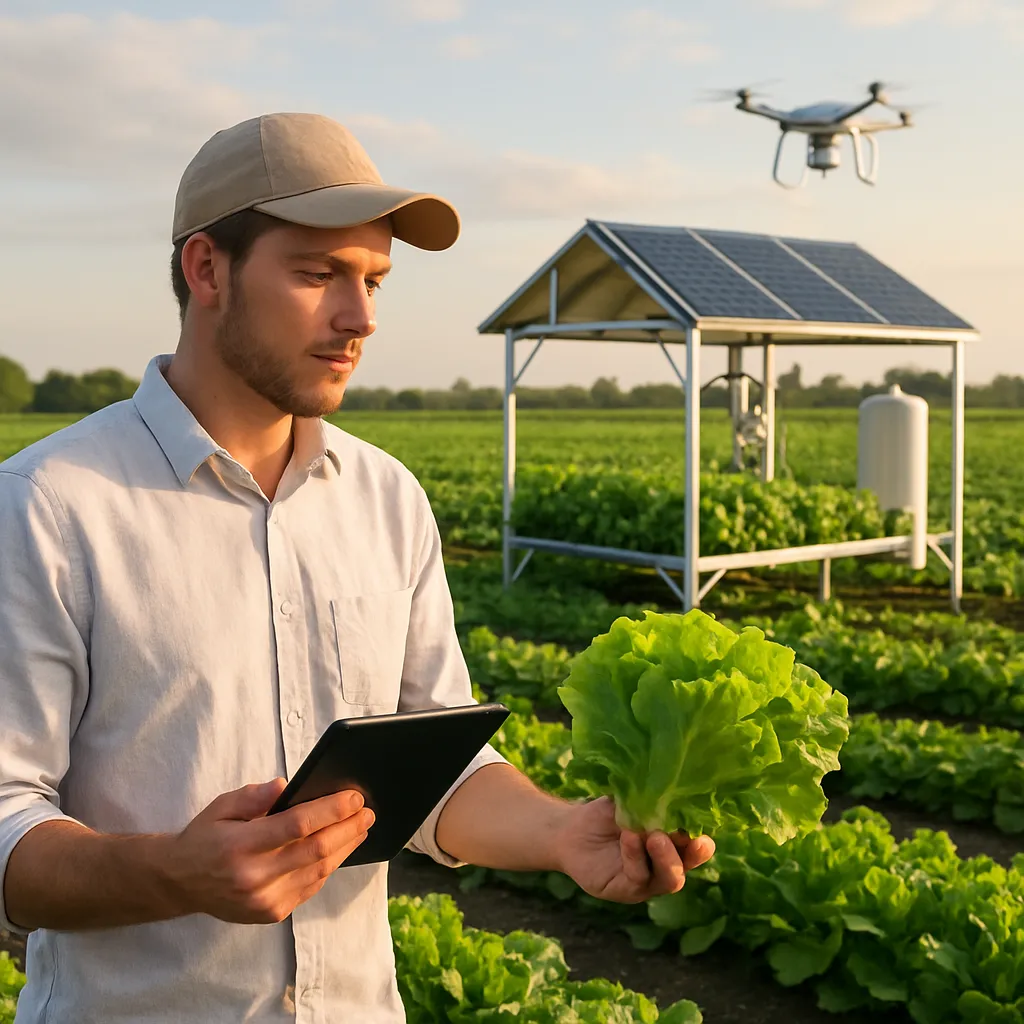
The agri-food industry has entered a new era where digital and biological sciences converge. Precision farming tools, smart sensors, and AI-driven analytics are revolutionizing field operations. By leveraging real-time data, growers can make informed decisions on irrigation, fertilization, and pest control. The result is higher yields with reduced environmental impact.
- Precision Irrigation: Soil moisture sensors deliver water exactly where roots need it, slashing waste.
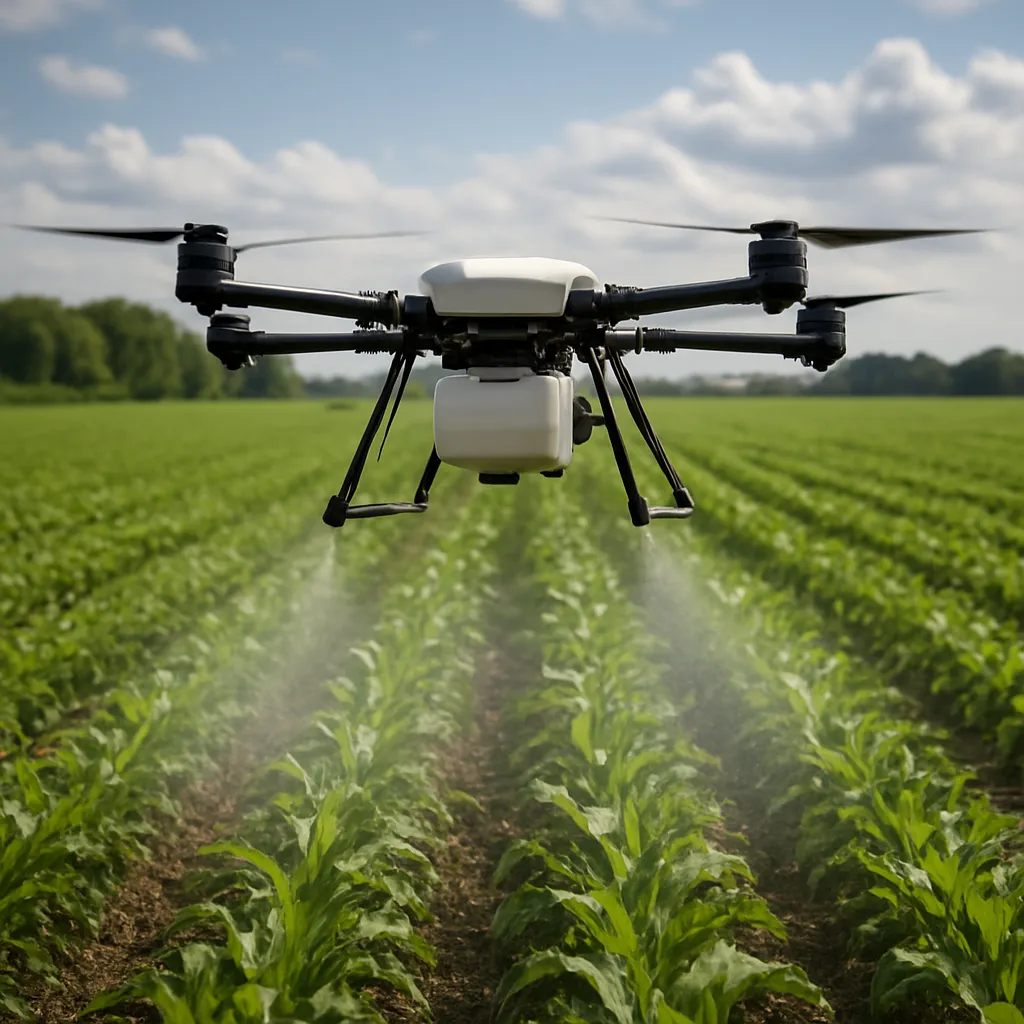
- Drone Monitoring: Aerial imaging pinpoints disease outbreaks before they spread.
- Vertical Farming: Controlled-environment agriculture produces fresh greens year-round in urban settings.
- Blockchain Traceability: Shoppers follow every step of a crop’s journey from seed to table.
Adoption of these methods is driven by the urgent need to preserve arable land, curb greenhouse gas emissions, and adapt to unpredictable climates. Farmers who invest in digital platforms often gain an edge by predicting weather patterns and market fluctuations with greater accuracy.
Cutting-Edge Innovations Transforming Farming
Breakthroughs in biology and engineering are unleashing a wave of innovation across agricultural sectors. Genetic editing tools like CRISPR enable the development of crop varieties with enhanced drought tolerance, pest resistance, and nutritional profiles. These improvements help build resilience in food systems facing extreme weather events.
Automation and Robotics
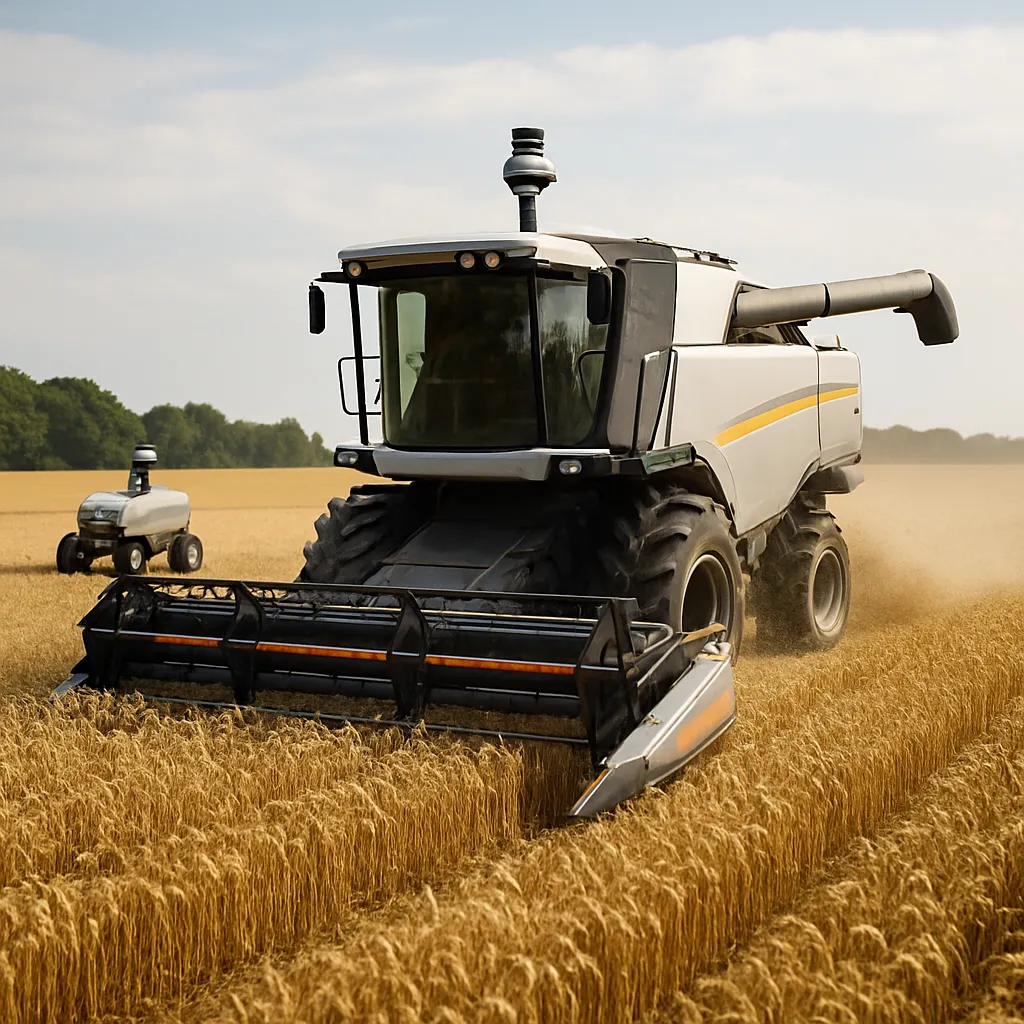
Robotic harvesters, autonomous tractors, and weeding machines are more than prototypes—they are active contributors to farm labor. Automation tackles labor shortages while operating continuously under field conditions. Key benefits include:
- Reduced labor costs and human exposure to harsh environments.
- Higher productivity through 24/7 operations and precise task execution.
- Minimized chemical use by deploying spot treatments only where pests or weeds appear.
Controlled-Environment Agriculture (CEA)
CEA systems maintain optimal temperature, humidity, and light for each crop, resulting in uniform growth and minimal waste. Greenhouse and indoor farms can now integrate LED lighting, climate controls, and nutrient delivery systems in a closed loop. By recycling water and nutrients, these facilities achieve water consumption levels up to 95% lower than conventional fields.
Practical Strategies for Sustainable Farming
Transitioning from traditional methods to high-tech solutions can feel daunting. However, incremental steps and targeted practices can deliver meaningful gains while managing risks.
Data-Driven Crop Management
Start by mapping fields with GPS and soil sampling. Analyze variations in soil pH, organic matter, and nutrient content to create variable-rate application plans. This ensures that fertilizers and soil amendments go only where needed, cutting costs and environmental runoff.
Integrated Pest Management (IPM)
Combine biological controls (beneficial insects), cultural techniques (crop rotation), and chemical treatments as a last resort. Monitoring devices and pheromone traps help identify pest thresholds. By targeting interventions, farmers maintain crop health while preserving beneficial species and avoiding pesticide resistance.
Water Conservation Techniques
- Drip Irrigation: Delivers water directly to the root zone, reducing evaporation.
- Mulching: Retains soil moisture and suppresses weeds.
- Rainwater Harvesting: Captures and stores rainfall for irrigation during dry spells.
Adopting cover crops during fallow periods enhances soil structure and prevents erosion. Leguminous covers fix atmospheric nitrogen, reducing the need for synthetic fertilizers. Over time, these practices improve the overall health of the ecosystem and foster long-term farm viability.
Expanding Access and Overcoming Challenges
While AgriTech promises immense benefits, barriers remain for smallholder farmers in developing regions. High initial costs, limited digital infrastructure, and knowledge gaps can slow adoption. Public–private partnerships are essential to bridge these divides through training programs, microcredit, and technology-sharing initiatives.
- Mobile Advisory Services: Deliver weather alerts, market insights, and best practices via SMS.
- Cooperative Buying Schemes: Pool resources to access advanced machinery at lower prices.
- Open-Source Platforms: Share code and blueprints for DIY sensor kits and farm management software.
Policymakers must craft incentives to support research, subsidize sustainable inputs, and protect small-scale producers from market volatility. At the same time, agribusinesses can foster collaboration by developing user-friendly digital tools and localized content in multiple languages.
Preparing for the Next Wave of Agricultural Advancement
Looking ahead, the fusion of artificial intelligence, biotechnology, and the Internet of Things will deepen. Machine learning algorithms will predict crop failures weeks in advance, while synthetic biology may yield plant-based proteins and bio-fortified staples. Precision breeding and vertical integration of supply chains promise to slash waste and bolster global food security.
Ultimately, the success of these endeavors hinges on cross-sector cooperation. Farmers, scientists, entrepreneurs, and governments must align around shared goals of efficiency, equity, and environmental stewardship. By harnessing the power of automation and cutting-edge research, the world can cultivate enough nutrient-rich food to nourish every community—today and for future generations.