Precision agriculture is undergoing a remarkable transformation as cutting-edge drone technology reshapes how farmers approach spraying and crop scouting. By harnessing aerial platforms equipped with advanced sensors and spraying systems, growers can achieve unprecedented accuracy, efficiency, and resource conservation. This article explores the future of drone applications in agriculture, offering insights and practical tips for seamless integration.
Transforming Crop Protection with Drone Spraying
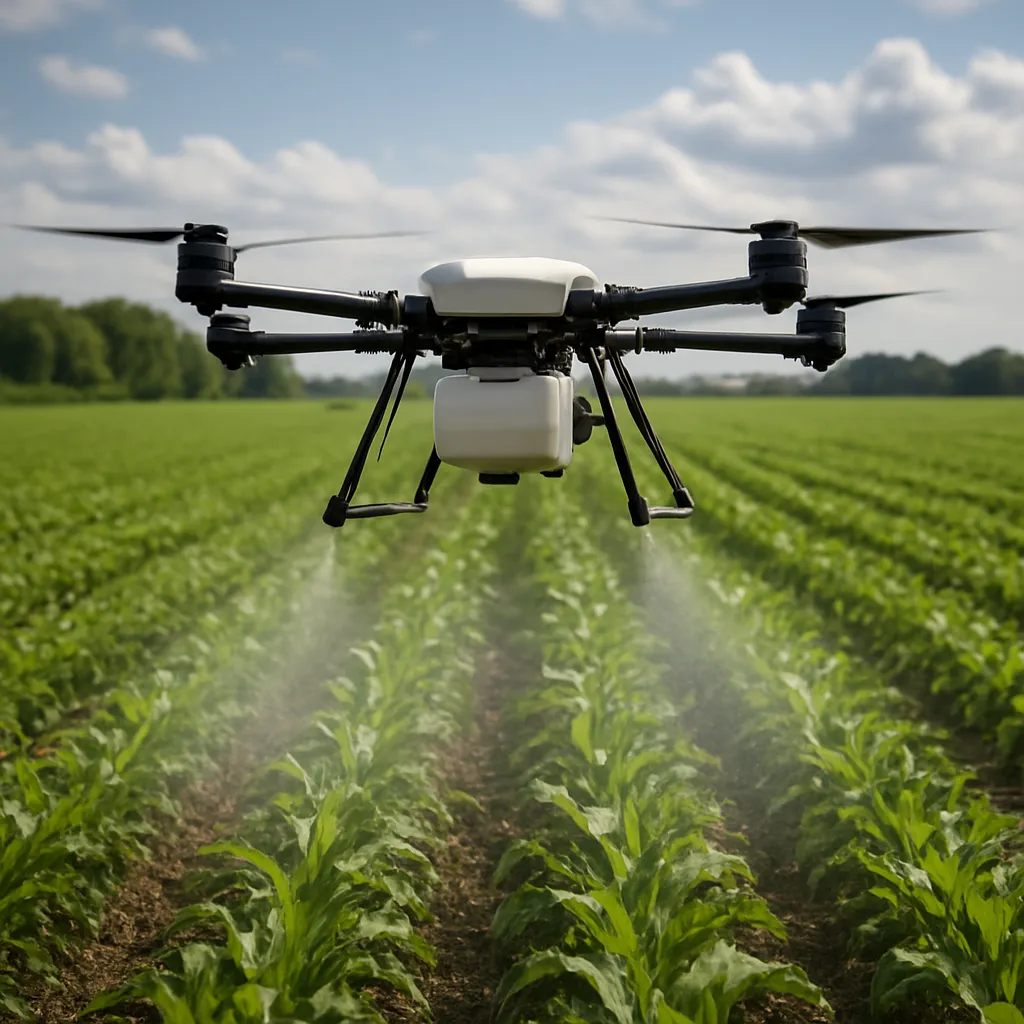
Drone spraying methodologies are redefining traditional pesticide and fertilizer application. Instead of relying on heavy machinery or manual labor, farmers can deploy unmanned aerial vehicles (UAVs) programmed to follow precise flight patterns. The result is better coverage, minimized waste, and reduced environmental impact.
Optimizing Spray Patterns
Modern spray drones leverage GPS waypoint navigation and customizable flight plans to evenly distribute chemical solutions over target areas. With variable-rate technology, sprayers adjust droplet size and flow rate in response to crop density and canopy structure. This tailored approach ensures thorough coverage without excessive overlap or missed zones.
Enhancing Chemical Efficiency
By maintaining consistent altitude and speed, drones can apply agrochemicals at the optimal coverage rate. Automated nozzles switch spray volumes on the fly, reducing runoff and drift. Farmers report up to 30% savings in input costs when compared to tractor-mounted sprayers, thanks to precise control over application parameters.
- Reduced environmental footprint through targeted spraying
- Lower fuel consumption and sustainability gains
- Enhanced operator safety by limiting direct chemical exposure
Revolutionizing Crop Scouting through Aerial Monitoring
Traditional crop scouting often involves manual field walks or low-resolution satellite imagery. Drone-based scouting offers high-frequency, high-resolution insights that empower proactive decision-making. Equipped with multispectral, thermal, or RGB cameras, UAVs can detect subtle signs of stress long before visual symptoms appear.
High-Resolution Imaging
Multispectral sensors capture reflectance data in near-infrared and red-edge bands, revealing variations in plant health. These images produce vegetation indices such as NDVI (Normalized Difference Vegetation Index), which correlate directly with chlorophyll content and biomass. Farmers use these maps to pinpoint underperforming zones and deploy corrective measures.
Real-Time Data Collection
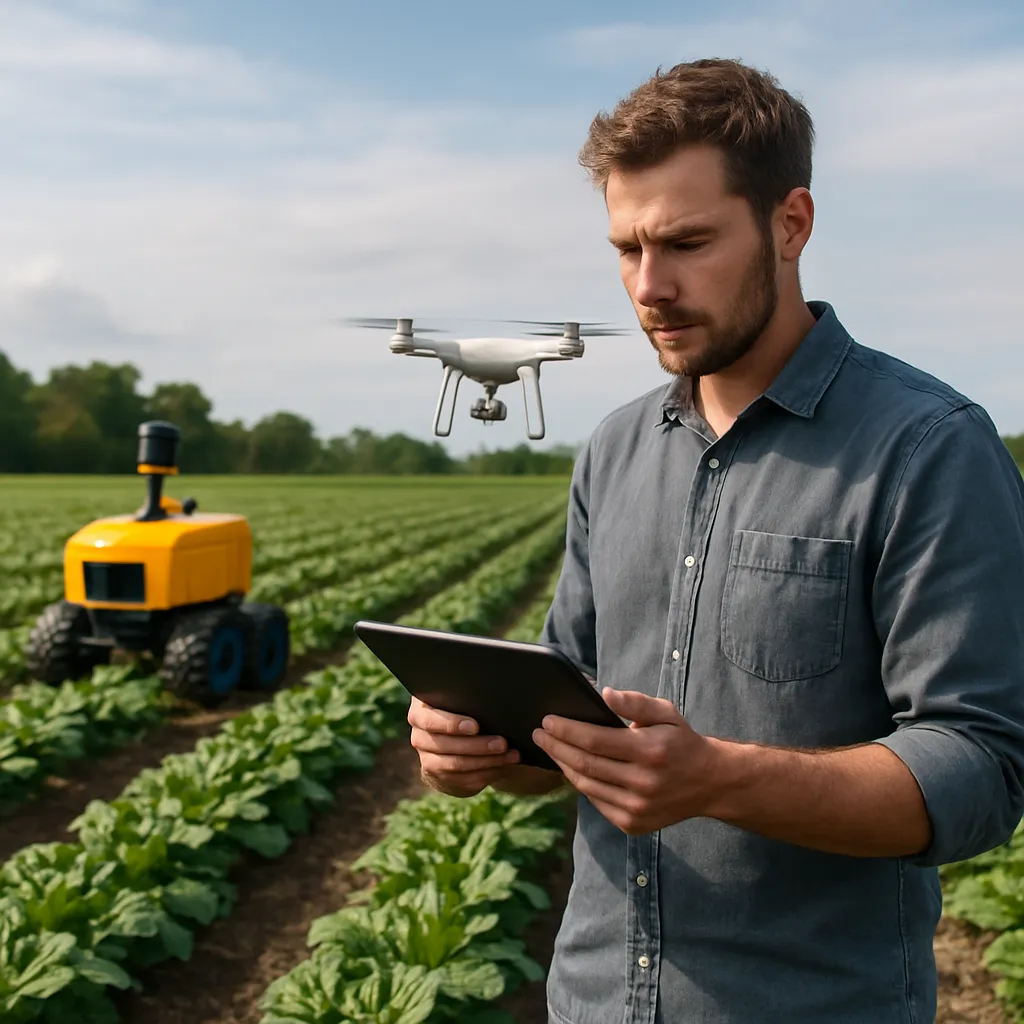
Some drone platforms stream live video and telemetry to ground stations, enabling on-the-spot assessments. Rapid data processing—in the field or via cloud services—translates raw images into actionable reports within minutes. This data-driven approach accelerates interventions for nutrient deficiencies, pest outbreaks, or irrigation issues.
- Early detection of pest pressure and disease
- Precision irrigation planning
- Yield prediction based on plant vigor analysis
Integrating AI and Automation for Smarter Fields
The convergence of drones with artificial intelligence elevates autonomous agriculture to new heights. Machine learning models trained on vast datasets can identify crop anomalies with remarkable precision. Over time, these systems learn to distinguish between benign variations and critical threats, reducing false positives and improving trust in automated scouting.
Machine Learning Algorithms
Deep learning architectures process hundreds of aerial images to recognize weed species, nutrient deficiencies, and water stress patterns. Classification algorithms tag each pixel or canopy segment, generating zone-specific treatment recommendations. Farmers armed with AI insights can apply herbicides only where needed, achieving significant cost savings and minimizing chemical usage.
Autonomous Flight Paths
Advanced UAVs plan their own flight routes based on field geometry and scouting objectives. Smart obstacle detection and adaptive routing ensure safe operations even in areas with trees, power lines, or uneven terrain. Once programmed, drones can perform nightly or weekly missions without human intervention, creating a continuous monitoring system that adapts to seasonal growth stages.
- Seamless integration with farm management software
- Automated mission scheduling and reporting
- Scalable solutions for both smallholders and large-scale operations
Practical Tips for Farmers Adopting Drone Technology
Transitioning to drone-based spraying and scouting requires careful planning and training. Below are essential recommendations to ensure a smooth adoption process:
- Perform a comprehensive site assessment to identify potential obstacles and radio-frequency interference sources.
- Obtain necessary certifications and permissions for UAV operations according to local regulations.
- Invest in reliable platforms with modular payload options to support diverse tasks.
- Train operators in flight planning, mission execution, and emergency procedures.
- Develop standard operating procedures (SOPs) for data collection, processing, and record-keeping.
- Collaborate with agronomists and data analysts to interpret aerial insights and refine application strategies.
Future Outlook and Emerging Innovations
As drone technology continues to evolve, we anticipate breakthroughs in swarm operations, where multiple UAVs coordinate simultaneously to cover vast fields rapidly. Advances in battery chemistry and solar charging could extend flight times, enabling full-day missions without landing. Additionally, real-time chemical mixing modules on board sprayers will allow on-demand formulation adjustments based on in-field diagnostics.
Bio-inspired drones mimicking insect flight patterns may navigate complex canopies more effectively, while edge computing capabilities will push AI analytics directly onto the UAV hardware. Such progress promises to make drone-assisted agriculture even more autonomy-focused and resilient in the face of climate variability.
Embracing a Smarter, Greener Tomorrow
The integration of drones into modern farming practices marks a pivotal moment in agricultural history. By combining aerial spraying, crop scouting, AI-driven insights, and seamless automation, growers can optimize input usage, boost yields, and champion sustainable stewardship of the land. As we look ahead, the synergy of robotics and agronomy will continue to drive innovation, ensuring global food security and a healthier environment for generations to come.