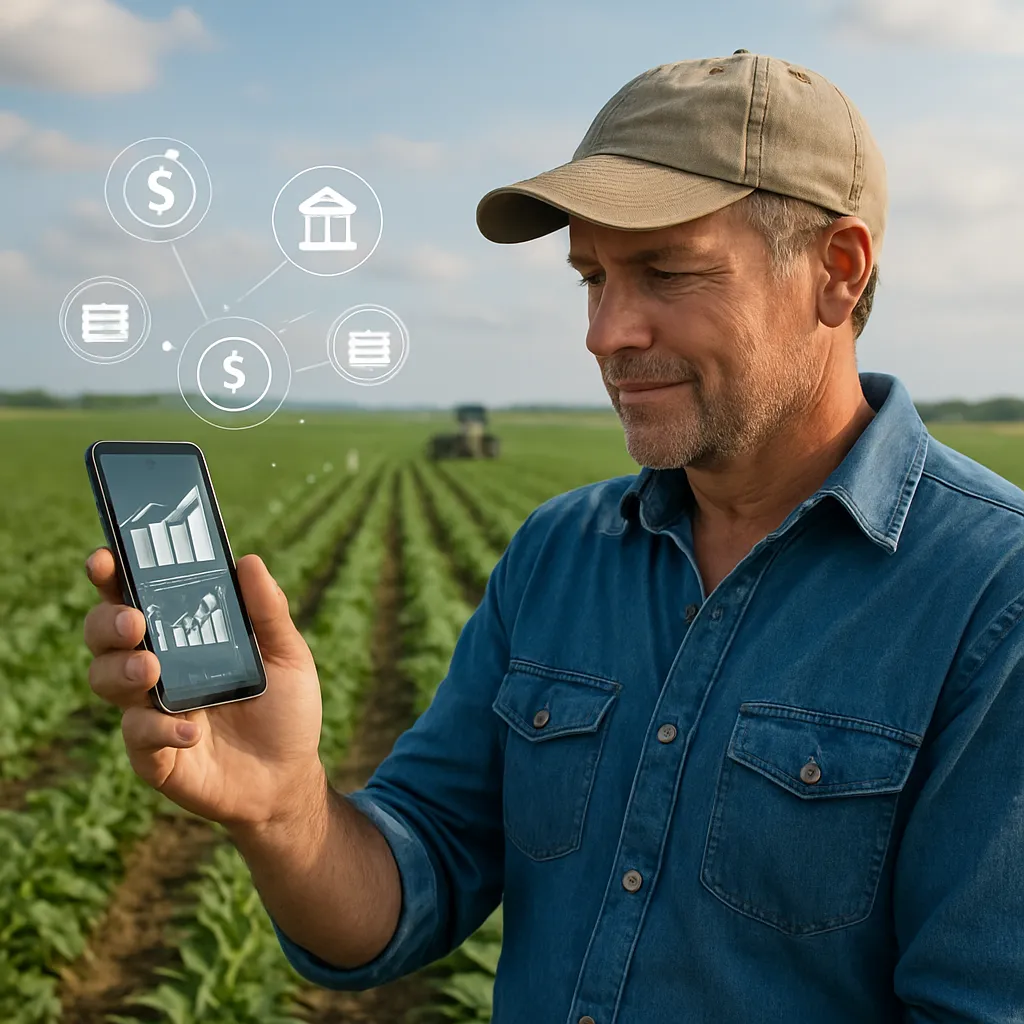
The agricultural sector is on the brink of a transformative shift as digital lending platforms redefine how farmers access capital. By leveraging cutting-edge technologies, agri-fintech companies are unlocking new pathways to growth, empowering rural communities, and driving a wave of innovation across the supply chain. This article explores the evolution of agricultural financing, highlights the key features and benefits of digital loans for farmers, offers practical tips for successful adoption, and examines the emerging trends shaping the future of agri-fintech.
Evolution of Agricultural Financing
Traditional Lending Models
For decades, smallholder and medium-scale farmers relied on informal credit sources such as local moneylenders or rotating savings groups. While these models provided fast access to funds, they often carried high interest rates and lacked regulatory oversight. Formal institutions like rural banks and cooperatives offered more stability, yet their stringent collateral requirements and lengthy approval processes excluded many growers.
Emergence of Digital Platforms
The proliferation of smartphones and improved internet connectivity in rural areas paved the way for digital lending. Agri-fintech startups harnessed data analytics, cloud computing, and mobile applications to design loan solutions tailored for agricultural needs. By integrating satellite imagery, weather forecasts, and farm management software, these platforms developed more accurate credit scoring models that consider factors beyond traditional financial records.
Key Features of Digital Loans for Farmers
- Seamless Application Processes: Farmers can apply for loans via smartphone apps or USSD codes, uploading minimal documentation and receiving instant eligibility decisions.
- Tailored Solutions: Loan amounts, repayment schedules, and interest rates are customized based on crop cycles, harvest dates, and projected yields.
- Data-Driven Underwriting: Platforms analyze satellite imagery, IoT sensor data, and historical weather patterns to assess farm productivity and risk.
- Flexible Repayment Options: Digital loans often include grace periods aligned with harvest times, installment plans tied to cash flow, and the ability to top up or refinance.
- Transparency: Real-time dashboards allow farmers to track disbursements, interest accrual, and repayment schedules, reducing discrepancies and fostering trust.
- Integration with Supply Chain Services: Some digital lenders partner with agro-input suppliers, offering bundled packages of seeds, fertilizers, and equipment along with financing.
- Risk Management Tools: Weather-indexed insurance and automated reminders mitigate default risks by alerting farmers to potential issues and providing recovery options.
Benefits and Challenges
- Enhanced Accessibility: Digital loans break down geographical barriers, reaching remote farmers who previously lacked access to formal credit.
- Increased Efficiency: Automation reduces processing times from weeks to minutes, accelerating the deployment of capital when it’s most needed.
- Sustainability: Data-driven financing encourages the adoption of environmentally friendly practices by rewarding eco-conscious behavior with preferential rates.
- Empowerment: Leveraging digital platforms enables smallholders to build credit histories, paving the way for future borrowing and investment.
- Regulatory Compliance: Adhering to local and international financial regulations can be complex, requiring comprehensive Know Your Customer (KYC) and Anti-Money Laundering (AML) measures.
- Digital Literacy Gap: Many rural users may struggle with app navigation and digital payments, underscoring the need for user-friendly interfaces and training.
- Data Privacy Concerns: Collecting sensitive farm-level information demands robust cybersecurity protocols to protect both lenders and borrowers.
- Infrastructure Limitations: In areas with intermittent connectivity or unstable power supplies, consistent access to digital services remains a challenge.
Practical Tips for Successful Adoption
- Start with a Reliable Device: Invest in a durable smartphone or tablet with extended battery life to ensure uninterrupted access to lending apps.
- Validate Your Identity: Keep copies of national ID cards, farm registration documents, and proof of land ownership handy to expedite KYC verification.
- Leverage Farm Management Tools: Use digital record-keeping apps to document input purchases, yield data, and expense receipts—information that strengthens your loan applications.
- Monitor Weather and Market Trends: Integrate free or low-cost weather forecasting services to anticipate potential risks and align loan requests with planting or harvesting windows.
- Engage in Peer Networks: Join farmer cooperatives or online forums to share experiences, learn best practices, and access group lending opportunities with lower rates.
- Plan Repayment Strategically: Align installment dates with cash inflows, such as crop sales or government subsidy disbursements, to avoid default.
- Explore Bundled Services: Consider lenders offering packages that include yield optimization consultancy, input procurement, and insurance in a single digital ecosystem.
- Regularly Update Your Credit Profile: Timely repayments and transparent communication boost your digital credit score, unlocking higher loan ceilings and better terms.
Looking Ahead: Trends in Agri-Fintech
As the agri-fintech landscape matures, several key trends are poised to shape the future:
- Blockchain-Powered Supply Chains: Immutable ledgers will ensure provenance tracking, enhance food safety, and enable lenders to verify asset usage.
- AI-Driven Advisory Services: Machine learning algorithms will provide personalized recommendations on crop rotation, fertilization, and pest control, integrated seamlessly into loan portals.
- Cross-Border Financing: Global investment in sustainable agriculture will facilitate microloans denominated in multiple currencies, offering hedging mechanisms against local inflation.
- Tokenization of Agricultural Assets: Digital tokens representing commodities or land parcels could unlock new collateral options, expanding credit access for marginalized producers.
- Enhanced Collaboration: Partnerships between fintech firms, agronomists, insurers, and government agencies will foster holistic support systems, combining capital with technical expertise.
The convergence of technology, finance, and farming is forging a new paradigm in agricultural development. By embracing digital loans and the broader agri-fintech ecosystem, farmers gain the agility, resources, and mobility needed to thrive in an increasingly competitive marketplace. As stakeholders continue to innovate and collaborate, the promise of inclusive, data-driven, and sustainable agricultural finance is becoming an achievable reality for millions of growers worldwide.