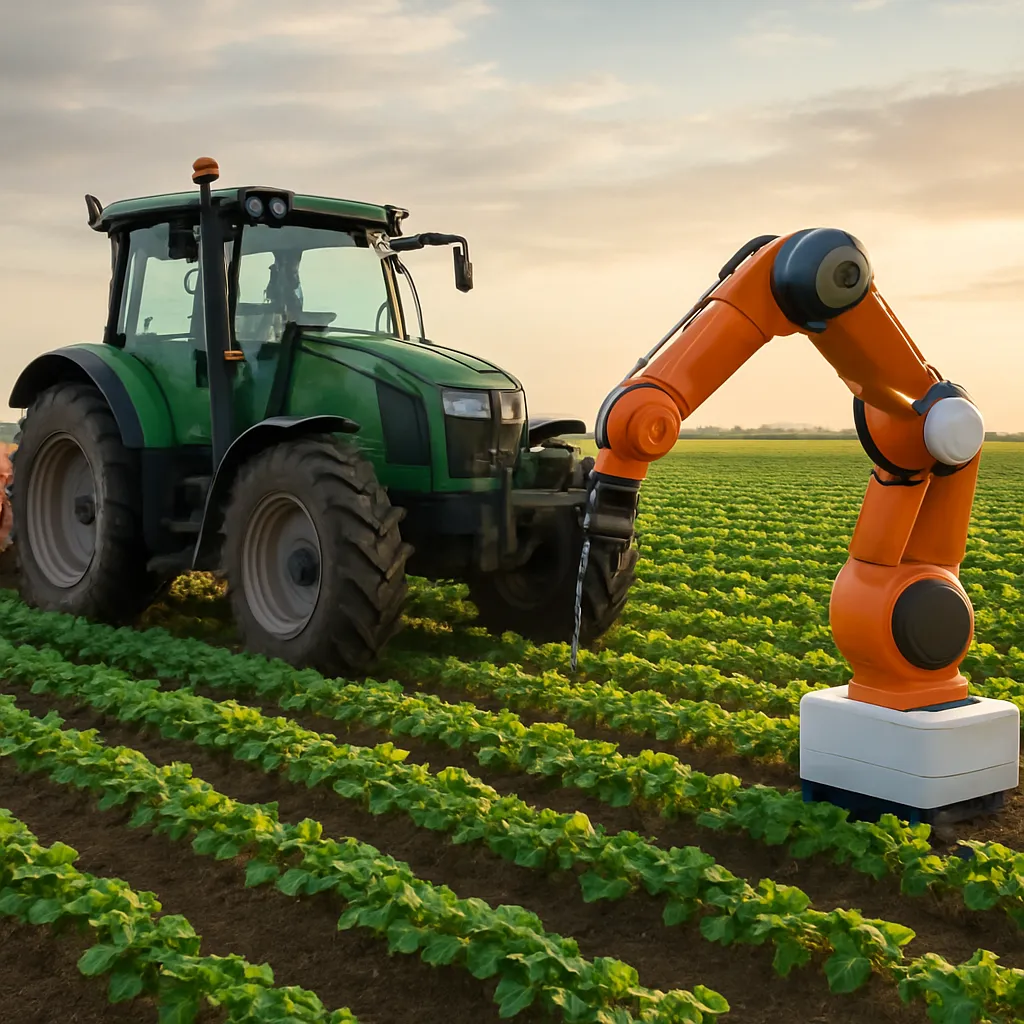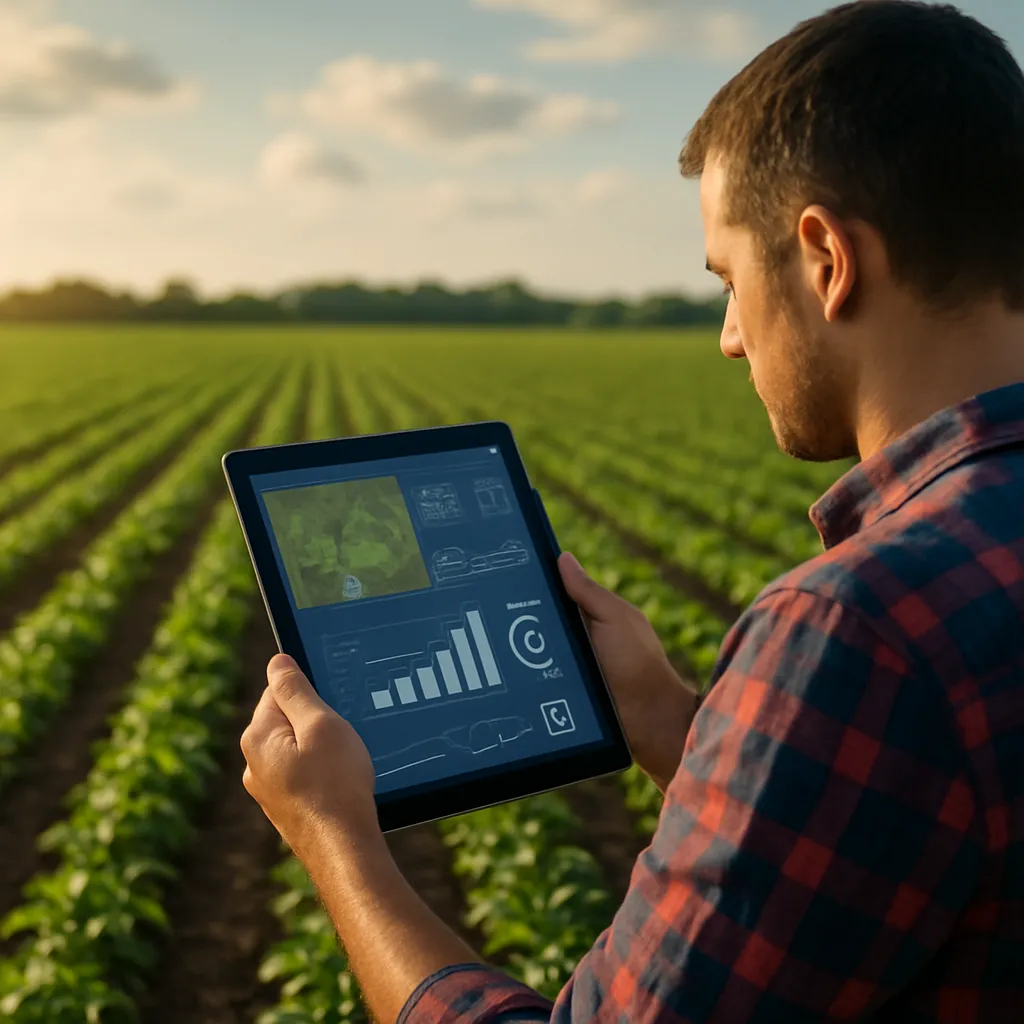
Precision agriculture offers a transformative approach for small-scale farmers seeking to maximize output while conserving resources. By combining modern technologies with time-tested farming practices, growers can achieve consistent improvements in productivity and profitability. This article explores key methods, tools, and strategies that empower smallholders to adopt precision farming techniques without incurring prohibitive costs. Practical tips and insights will guide you through leveraging data-driven decisions, optimizing inputs, and boosting soil health, all with the ultimate goal of sustainable success.
Advantages of Precision Agriculture for Small Farms
Small farmers often operate on tight margins, making smart resource management essential. Precision agriculture delivers targeted solutions that help reduce waste, lower expenses, and elevate crop quality. Key benefits include:
- Enhanced efficiency through spot treatments of fertilizers and pesticides.
- Improved yields via tailored nutrient application plans based on soil variability.
- Reduced environmental footprint by minimizing runoff and over-application of chemicals.
- Better risk management through real-time monitoring of weather and field conditions.
- Cost savings on seeds, water, and labor resulting from data-driven planning.
By focusing on precise input placement, farmers can address underperforming zones, bolstering overall field performance. This selective approach translates into tangible returns, even on small plots of land.
Essential Technologies and Tools
Adopting precision agriculture starts with integrating a suite of accessible technologies. While large operations may invest heavily in equipment, small farmers can begin with entry-level devices that scale over time.
- GPS guidance systems for tractors and spreaders help maintain straight passes, reducing overlap and saving fuel.
- drones equipped with multispectral cameras enable rapid field scouting to detect stress, pests, or nutrient deficiencies.
- Soil moisture sensors placed at varying depths inform optimized irrigation schedules.
- Yield monitors on harvesters collect real-time output data, feeding into digital mapping platforms.
- Mobile apps and cloud-based dashboards aggregate field observations, weather updates, and predictive models.
Smallholders can often lease equipment or collaborate with neighbors to share these tools. Open-source software and smartphone compatibility further lower barriers to entry.
Implementing Precision Practices on a Budget
Limited capital need not prevent small farmers from embracing precision methods. Creative solutions and cost-saving strategies include:
- DIY sensor kits that connect to popular microcontrollers, offering soil and microclimate data at minimal expense.
- Participating in cooperative purchasing agreements to secure group discounts on advanced hardware.
- Accessing government grants or agricultural extension programs focused on technological adoption.
- Repurposing existing farm machinery with aftermarket retrofit kits for precision seeding or spraying.
- Utilizing pay-as-you-go services from ag-tech startups that provide aerial imagery and analysis on demand.
With careful planning, a phased approach allows investment to match farm growth. Begin with low-cost pilot projects on a small field section, evaluate results, and expand incrementally.
Data Analysis and Decision-Making
Collecting data is only half the battle; interpreting it effectively determines a farm’s success. Modern analytics platforms translate raw measurements into actionable recommendations.
Creating a Field Management Zone
Start by dividing fields into management zones based on soil type, moisture retention, and historical performance. This segmentation guides targeted interventions, allowing precise application of inputs where they are most needed.
Leveraging Predictive Modeling
Predictive models use weather forecasts, crop growth stages, and pest emergence data to recommend the optimal timing for planting, spraying, and harvesting. By anticipating challenges, farmers can mitigate risks before they escalate.
Visualizing Trends with Maps
Interactive maps display spatial variability in crop health and soil properties. Overlaid with yield data, these maps reveal patterns that inform future crop rotations, cover cropping decisions, and nutrient management plans.
Sustainability and Environmental Impact
Precision agriculture aligns closely with principles of ecological stewardship. By reducing input waste and preserving natural resources, small farmers can foster healthier ecosystems and long-term farm viability.
- Targeted nutrient delivery lowers the risk of groundwater contamination.
- Smart irrigation scheduling minimizes water consumption and prevents soil erosion.
- Reduced tillage practices, guided by soil compaction data, improve soil structure and carbon sequestration.
- Selective pest control decreases non-target species exposure, preserving beneficial insects and pollinators.
- Farmers can monitor biodiversity indicators, ensuring habitat conservation alongside crop production.
Embracing precision practices creates a virtuous cycle: healthier soils yield stronger crops, which in turn demand fewer synthetic inputs. This balance supports both short-term profits and long-term resilience.
Practical Tips for Smallholders
Integrating precision agriculture into a small operation can feel overwhelming. Here are targeted recommendations to get started:
- Prioritize one field or crop to pilot precision techniques before scaling up.
- Seek local workshops or online webinars focused on small farm technology.
- Partner with agronomy consultants who specialize in data-driven management.
- Maintain clear records of input costs, yields, and environmental metrics for continuous improvement.
- Stay informed about emerging tools and funding opportunities to upgrade systems cost-effectively.
By taking incremental steps and leveraging community resources, small farmers can unlock the power of advanced agriculture without overextending their budgets or resources.