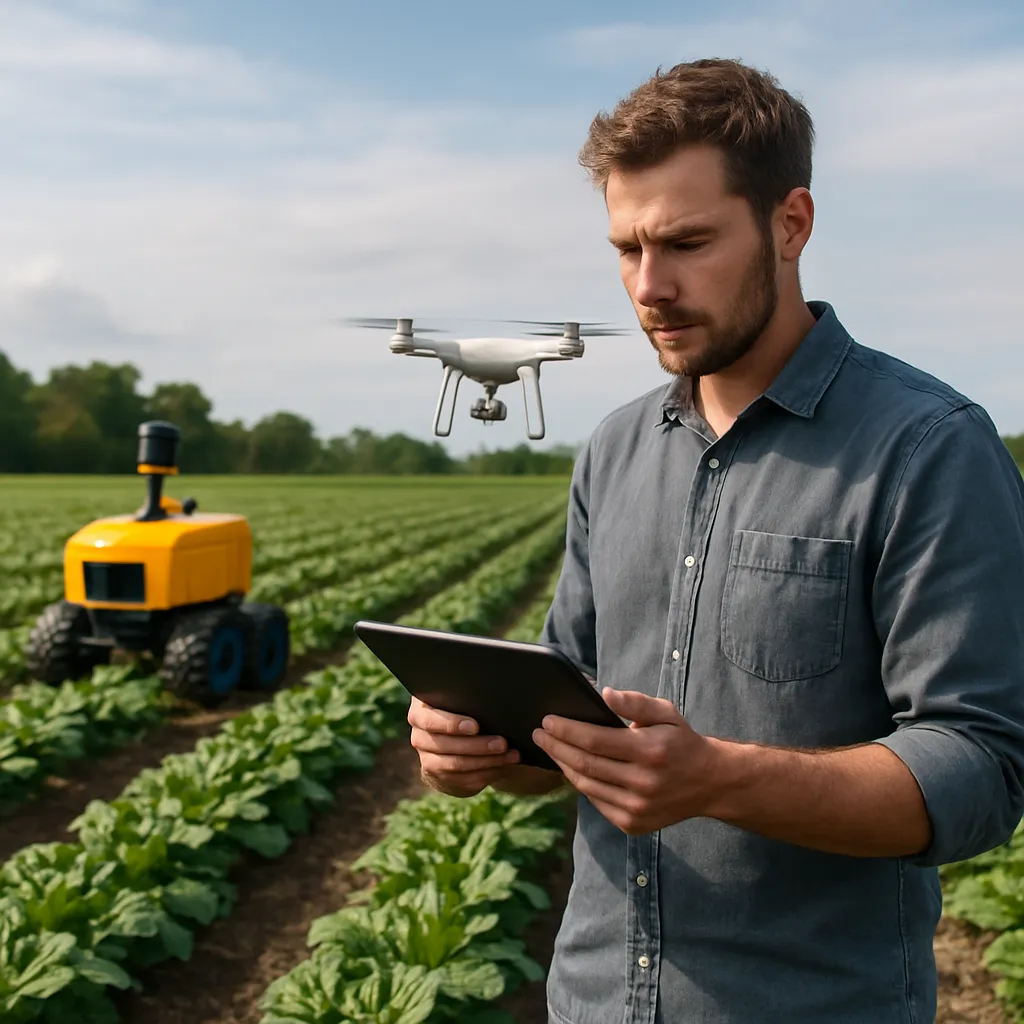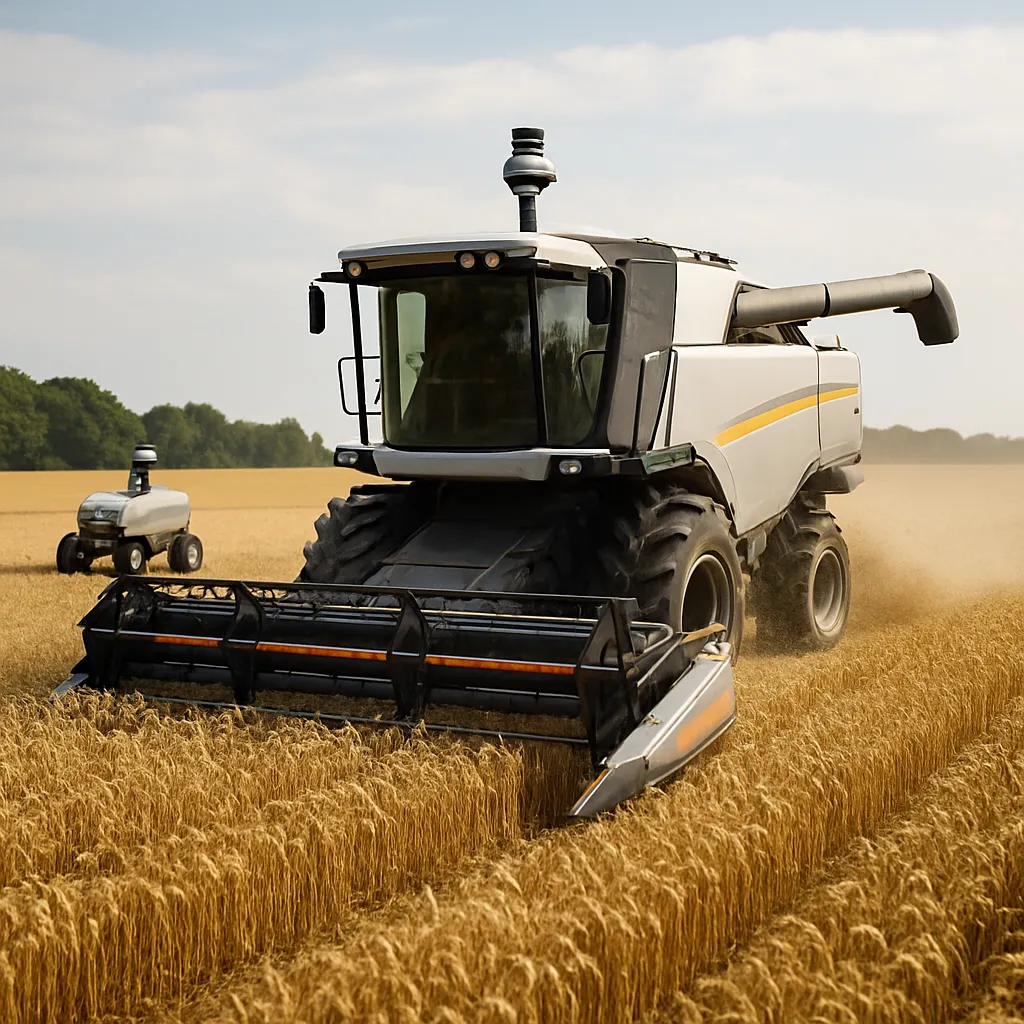
The Future of Automated Harvesting Machines opens new horizons for the agricultural industry. By blending robotics with cutting-edge sensors and data-driven decision-making, modern farms are poised to achieve unprecedented levels of efficiency and precision. This article explores emerging technologies, practical tips for implementation, and the broader implications for sustainability and productivity.
Innovations in Automated Harvesting
Recent advances have driven the development of harvesting machines capable of identifying, picking, and sorting crops without human intervention. These innovations rely on a combination of automation, artificial intelligence, and advanced mechanical design. Key breakthroughs include:
- Computer Vision Systems: High-resolution cameras and AI algorithms detect fruit ripeness, size, and defects in real time, ensuring only the best produce is picked.
- Adaptive End-Effectors: Robotic arms equipped with gentle grippers or suction cups adjust their grip strength to avoid damaging delicate crops like tomatoes or berries.
- Multi-Crop Platforms: Modular machines capable of switching between different harvesting tools allow farmers to handle diverse crops during the same season, improving overall farm resilience.
- GPS and RTK Guidance: Satellite-based positioning systems guide tractors and drones with centimeter-level accuracy, optimizing travel paths and minimizing soil compaction.
These technologies are under continuous refinement. Manufacturers are focusing on reducing energy consumption, increasing harvest speed, and integrating cloud-based analytics for predictive maintenance.
Benefits for Modern Farms
Automated harvesting machines offer a range of advantages that can transform farm operations:
- Labor Savings: With skilled labor shortages affecting many regions, machines can fill critical gaps, allowing workers to focus on value-added tasks like quality control and crop planning.
- Enhanced Productivity: Continuous operation—day and night—ensures crops are harvested at peak ripeness, reducing waste and improving yield consistency.
- Cost-Effectiveness: Though the initial investment can be significant, long-term savings on labor, reduced spoilage, and optimized input usage deliver strong returns.
- Greater Precision: Automated systems maintain uniform harvest standards, ensuring premium quality and better compliance with market requirements.
- Sustainability: Precision harvesting reduces energy use and soil disturbance, aligning with eco-friendly farming practices and lowering the carbon footprint.
Furthermore, data collected by these machines can be fed into farm management platforms, enabling yield optimization and improving decision-making on seeding, irrigation, and fertilization schedules.
Application Tips and Best Practices
Adopting automated harvesters requires careful planning and standardized procedures. Below are essential tips for successful implementation:
1. Site Preparation
- Ensure fields are free from large stones, debris, and uneven surfaces to prevent damage to machinery.
- Map field boundaries and create accurate GPS waypoints to guide autonomous vehicles.
2. Calibration and Testing
- Perform routine calibration of cameras and sensors to maintain detection accuracy across changing light and weather conditions.
- Conduct dry runs on test plots before full-scale operations, adjusting picking parameters for different crop varieties.
3. Maintenance Schedules
- Adhere to manufacturer-recommended service intervals for motors, belts, and hydraulic components to avoid unexpected downtime.
- Regularly clean vision sensors and replace worn grippers to preserve handling quality.
4. Data Management
- Implement a centralized data platform to gather harvest metrics, machine uptime, and performance logs.
- Use analytics dashboards to track yield patterns and identify areas for process improvement.
5. Training and Safety
- Train operators on emergency shutdown procedures and basic troubleshooting to empower quick onsite responses.
- Install safety sensors and geo-fencing features to prevent machines from entering restricted areas or colliding with obstacles.
Environmental Impact and Sustainability
Automated harvesting systems contribute to more sustainable agricultural practices in several ways:
- Reduced Soil Compaction: Precise wheelpaths and lighter machinery designs help maintain soil structure and health.
- Lower Chemical Usage: Targeted harvesting reduces the need for broad-spectrum pest control, supporting integrated pest management strategies.
- Energy Efficiency: Electric and hybrid drivetrains in modern harvesters decrease fossil fuel dependence.
- Resource Conservation: Data-driven insights allow for optimized water and nutrient delivery, cutting waste and runoff.
As global demand for food rises, balancing productivity with environmental stewardship becomes critical. Automated harvesting machines, backed by ongoing innovation, are poised to play a central role in achieving that balance and ensuring the long-term viability of agriculture.