Modern agriculture is undergoing a remarkable transformation driven by innovation and cutting-edge practices that increase efficiency, enhance yield, and protect the environment. Farmers worldwide are adopting methods that focus on long-term sustainability while leveraging intelligent tools to optimize resources, from rich soil layers to precious water supplies. This article explores key areas where robust strategies and smart technology intersect to shape the future of farming, offering practical tips for growers of all scales.
Sustainable Practices and Soil Health
Healthy land is the foundation of any successful farm. Implementing sound soil management improves nutrient cycling, fosters beneficial organisms, and bolsters crop resilience. Below, essential practices are outlined to restore and maintain topsoil vitality over the long term.
Crop Rotation and Organic Matter
Rotating crops disrupts pest cycles and balances nutrient uptake. For example, legumes can fix atmospheric nitrogen, enriching the field for subsequent cereals. Incorporating cover crops—such as clover, radish, or mustard—adds valuable biomass. When these green manures decompose, they boost fertility and organic carbon content, which enhances moisture retention and structure.
Soil Testing and Amendments
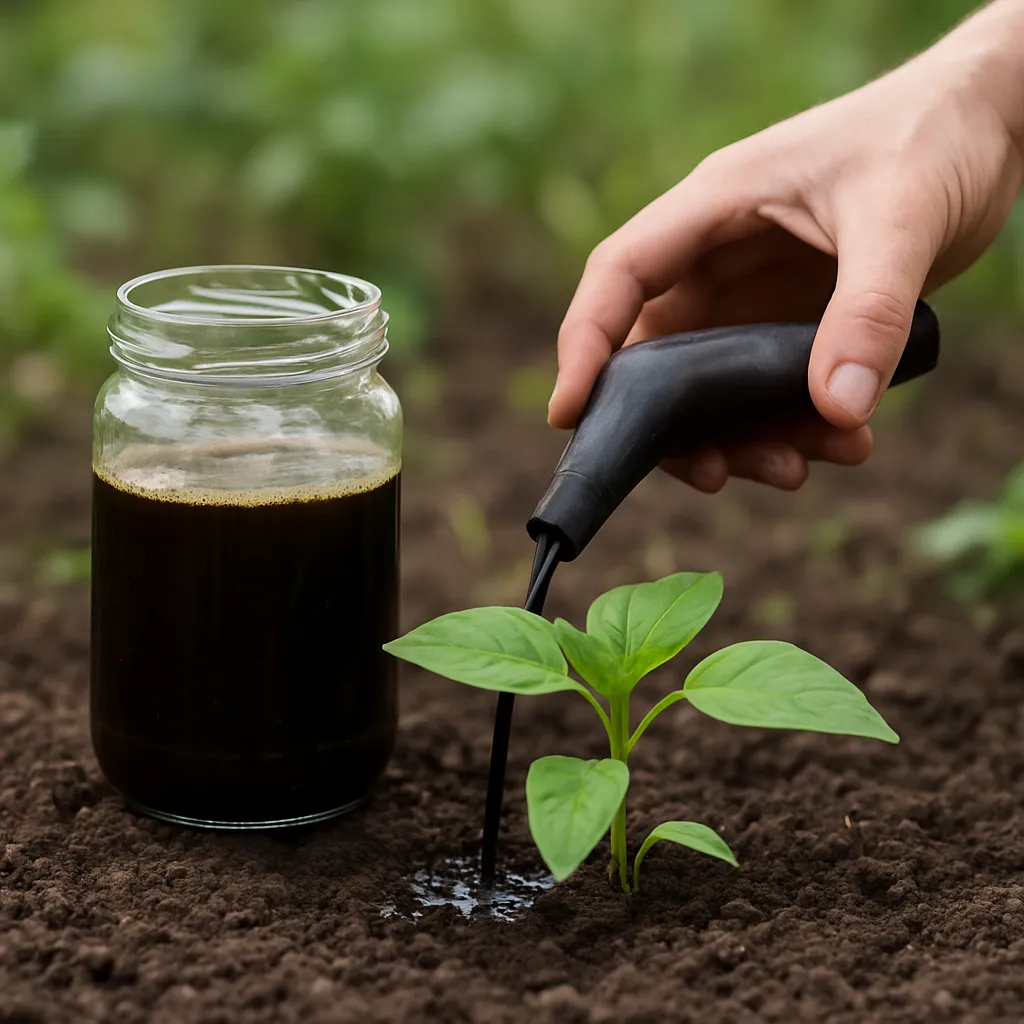
Routine analysis of pH, macro- and micronutrients, and soil texture is vital. Farmers should employ soil testing kits or send samples to a certified lab at least once per season. Based on the results, natural amendments like compost, rock phosphate, gypsum, or biochar can be applied to correct deficiencies. Targeted interventions prevent costly over-application of synthetic fertilizers and safeguard soil biota.
Smart Technology Integration
Precision agriculture harnesses data and automation to refine every aspect of crop production. By deploying sensors, drones, and AI platforms, growers can pinpoint variability within their fields and respond in real time to changing conditions. This shift marks a departure from uniform treatments toward site-specific management that conserves resources and maximizes output.
Precision Farming and Data Analytics
Sensors embedded in the ground track moisture, temperature, and nutrient levels continuously. Satellite imagery and multispectral drone surveys detect stress areas, weed pressure, or disease onset before visual symptoms appear. Centralized dashboards aggregate these inputs, enabling variable-rate seeding, fertilization, and pesticide applications. Precise adjustments lead to reduced input costs and environmental footprints, while optimizing yield.
Automation and Robotics
Autonomous tractors and robotic harvesters lighten labor burdens and operate around the clock. Equipped with GPS guidance and real-time obstacle detection, these machines perform tillage, planting, and harvesting with precision measurements. Robotic weeders use computer vision to identify and remove weeds mechanically, drastically reducing herbicide reliance. Automated systems adapt to field topography and input data, ensuring consistent performance across diverse landscapes.
Water Conservation and Irrigation Techniques
Water scarcity and unpredictable weather patterns necessitate innovative irrigation strategies. Efficient water use not only preserves this critical resource but also prevents soil salinization and runoff. Below are methods to optimize water delivery based on plant needs and local climate variables.
Efficient Irrigation Systems
Drip and micro-sprinkler systems deliver water directly to the root zone, cutting evaporation losses by up to 70% compared to conventional sprinklers. Integrating soil moisture sensors triggers irrigation only when necessary, avoiding overwatering and nutrient leaching. Advanced controllers calculate evapotranspiration rates using local weather data, adapting schedules to rainfall forecasts and temperature fluctuations.
Rainwater Harvesting and Storage
Collecting rainfall from rooftops or field runoff provides an off-grid supply during dry spells. Simple catchment setups include gutters, storage tanks, and filtration units. Stored rainwater can be released through gravity-fed drip lines or pressure pumps. Harvesting not only reduces dependence on borewells but also diminishes erosion by capturing surface flow in retention ponds.
Crop Management and Pest Control
Managing pests and diseases requires a holistic approach to maintain ecological balance. Overreliance on chemical inputs often backfires, leading to resistance and non-target impacts. Combining cultural, biological, and mechanical strategies offers robust protection while conserving beneficial species.
Integrated Pest Management (IPM)
IPM emphasizes regular scouting, threshold-based interventions, and multiple control methods. Traps and pheromone lures monitor pest populations, guiding the timing of treatments. When action is required, selective biopesticides or targeted applications are preferred. By keeping populations below economic thresholds, growers avoid unnecessary sprays and reduce costs.
Biological and Cultural Controls
Introducing predatory insects (e.g., ladybugs, lacewings) or entomopathogenic fungi provides natural regulation of damaging pests. Crop residues can be tilled under to break pest life cycles, while intercropping with trap crops diverts insects away from main fields. Maintaining diverse hedgerows and flower strips supports beneficial pollinators and predators, reinforcing the farm’s internal defense network.
Practical Tips for Small-Scale Farmers
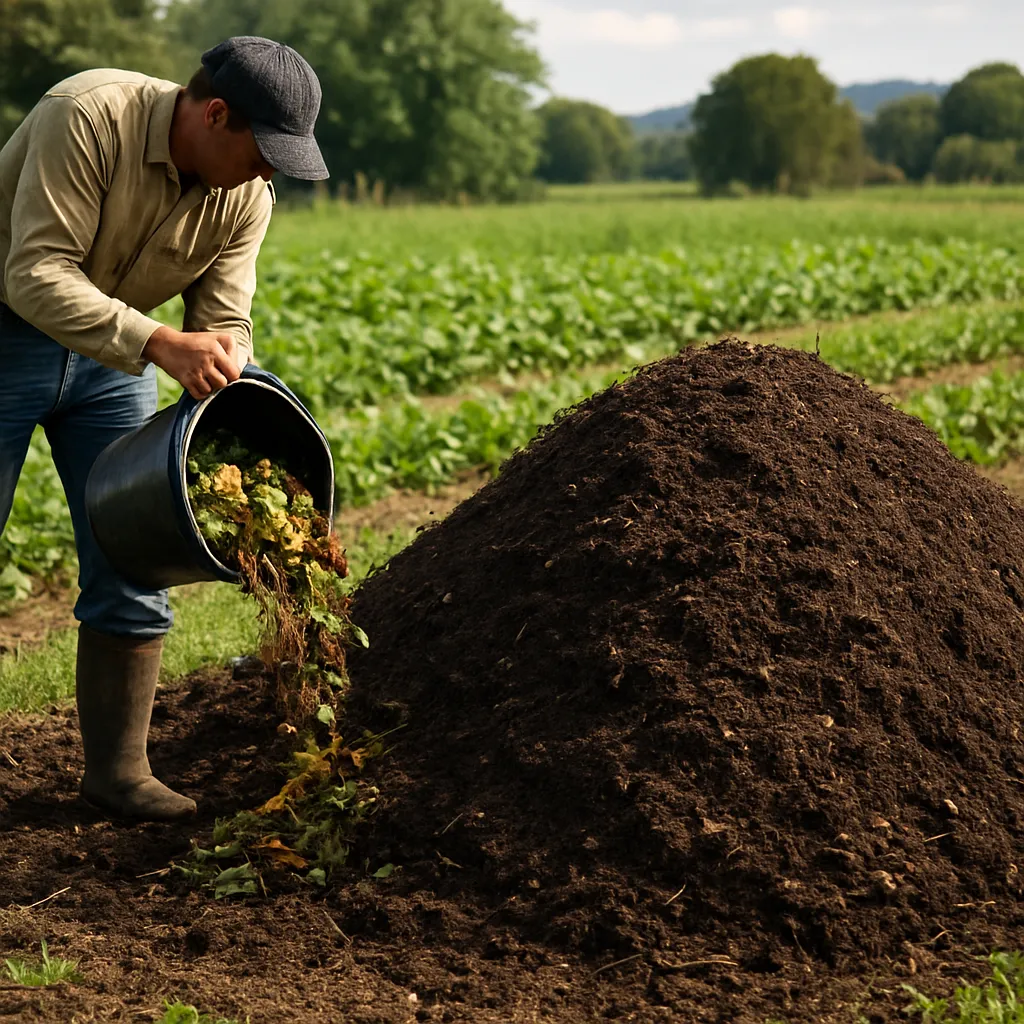
- Start a compost pile: Recycle kitchen and garden waste into nutrient-rich humus.
- Implement mulching: Use straw, wood chips, or cover crops to conserve moisture and suppress weeds.
- Adopt simple sensor kits: Affordable soil moisture and pH meters help you make informed decisions without high upfront costs.
- Rotate livestock grazing: Move animals regularly to prevent overgrazing and improve pasture health.
- Attend local workshops: Networking with extension services and other growers fosters knowledge exchange on emerging technology and best practices.
- Document everything: Keep a farm diary of planting dates, inputs, weather events, and yields to analyze trends over time.
The Path Forward for Agriculture
As global demand for food continues to rise, the agriculture sector must balance productivity with conservation. Embracing modern methods—from soil-friendly practices to automated systems—empowers farmers to meet this challenge. By focusing on sustainability, resource efficiency, and ongoing innovation, farming communities can secure healthy harvests, protect fragile ecosystems, and build resilient food systems for generations to come.