Farming has entered a new era where technology enhances every aspect of crop production and resource management. By integrating **smart sensors** into fields, growers can make **data-driven** decisions that improve **efficiency**, reduce waste, and boost **yield**. This article explores how these devices work, highlights the most useful types, and offers practical tips for farmers seeking to optimize their operations.
The Role of Smart Sensors in Modern Agriculture
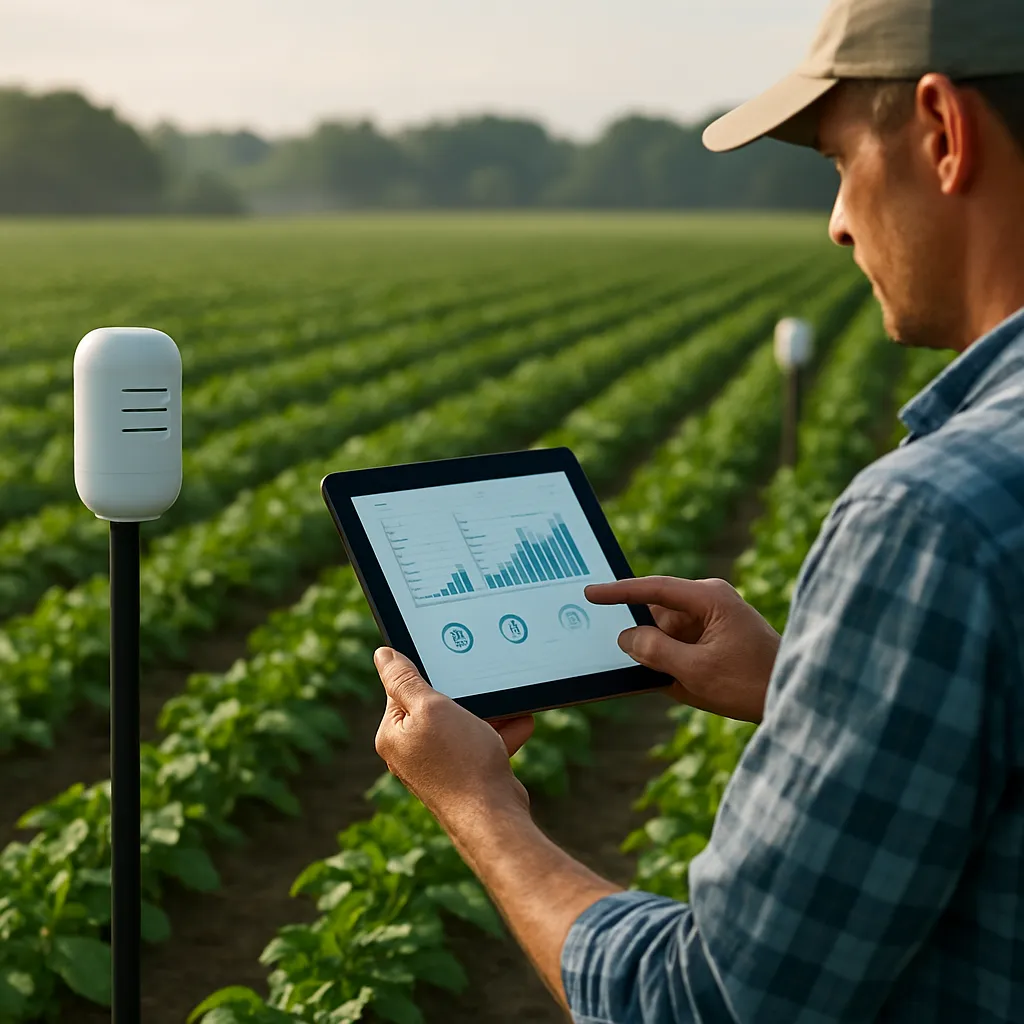
Smart sensors form the backbone of precision agriculture, allowing farmers to monitor environmental conditions at an unprecedented level of detail. Instead of relying on visual inspections or fixed irrigation schedules, producers can now access real-time readings of soil moisture, air temperature, humidity, and nutrient levels. This continuous stream of information helps optimize **water usage**, control pests, and fine-tune **fertilizer** application. The result is higher productivity with lower input costs.
Enabling Data-Driven Decisions
With accurate field data on hand, farmers can:
- Identify dry zones and adjust irrigation to prevent **crop stress**
- Detect early signs of disease or pest infestation through microclimate shifts
- Apply nutrients exactly where and when they are needed, cutting down on **chemical** overuse
- Analyze historical sensor logs to forecast seasonal trends and optimize planting dates
Integration with IoT Platforms
Internet of Things (IoT) platforms gather sensor outputs and present actionable insights via dashboards or mobile apps. By connecting field devices through cellular, LoRaWAN, or Wi-Fi networks, farmers can monitor multiple sites without leaving the office or equipment shed. Alerts can be configured to trigger text messages or emails when conditions exceed preset thresholds, ensuring timely interventions.
Key Types of Smart Sensors and Their Functions
Not all sensors offer the same capabilities. Choosing the right combination can unlock maximum benefits.
- Soil Moisture Sensors: Measure volumetric water content to tailor irrigation schedules and prevent both drought stress and overwatering.
- Nutrient Sensors: Detect levels of nitrogen, phosphorus, and potassium directly in the root zone, guiding variable-rate fertilizer applications.
- Temperature and Humidity Sensors: Track ambient conditions to forecast frost events, disease pressure, and transpiration rates.
- pH Sensors: Monitor soil acidity, enabling timely lime or sulfur applications to maintain optimal pH for nutrient uptake.
- Leaf Wetness Sensors: Estimate moisture on foliage surfaces to predict fungal outbreaks and improve fungicide timing.
- Solar Radiation Sensors: Gauge incoming light intensity, helping to schedule shading or adjust planting orientation for greenhouse operations.
- Rainfall Gauges: Measure precipitation, allowing water budgeting and reducing reliance on manual weather station readings.
Emerging Technologies
Advanced spectroscopic sensors and drone-mounted cameras are now offering remote imaging and soil composition analysis. These tools complement in-ground sensors by covering larger areas quickly, detecting anomalies that might otherwise go unnoticed until they become serious issues.
Practical Implementation Strategies
Successfully integrating smart sensors on the farm requires careful planning and ongoing maintenance. Below are essential tips to ensure a smooth deployment:
- Site Assessment: Conduct a preliminary survey to map out soil types, slope, and existing irrigation infrastructure. Place sensors in representative zones rather than clustering them in one corner.
- Connectivity Planning: Choose a network solution (cellular, LoRaWAN, or mesh) that covers the entire field. Test signal strength before final installation.
- Calibration and Testing: Calibrate sensors according to manufacturer guidelines. Periodically verify accuracy by cross-referencing with handheld meters or laboratory analyses.
- Data Management: Establish consistent naming conventions and data logging intervals. Store sensor readings in a centralized cloud repository to facilitate long-term trend analysis.
- Preventative Maintenance: Inspect housings and power supplies regularly. Replace batteries or fix wiring before critical growing stages.
- Training and Support: Invest in staff training so that everyone understands how to interpret sensor outputs and respond to alerts.
- Scalability: Start small with a pilot plot and expand coverage gradually. This helps refine workflows and justify future investments based on measurable ROI.
Cost-Benefit Considerations
While initial sensor systems may seem expensive, the long-term **cost savings** from reduced water bills, lower fertilizer use, and higher crop returns can quickly offset upfront investments. Factor in potential grants or subsidies for sustainable agricultural technologies when budgeting.
Practical Tips for Maximizing Sensor Effectiveness
To fully leverage smart sensors, farmers should adopt a holistic approach that combines technology with sound agronomic practices:
- Rotate crops and adjust sensor thresholds for each crop’s specific water and nutrient needs.
- Use buffer zones around sensor sites to avoid root disturbance by heavy machinery.
- Cross-reference sensor data with visual field inspections to validate readings.
- Integrate weather forecasts into sensor dashboard alerts for more proactive management.
- Combine IoT data with satellite or drone imagery to identify variabilities at different scales.
Challenges and Future Trends
Despite their many benefits, smart sensors come with challenges. Data overload can overwhelm operators if dashboards are not intuitive. Sensors may malfunction under extreme weather or get buried by tillage. Ensuring reliable power—whether solar panels or long-lasting batteries—is critical. Nevertheless, ongoing advances are addressing these issues:
- Self-Cleaning Sensors: New models resist fouling from soil adhesion and farm chemicals.
- Energy Harvesting: Emerging sensors draw power from temperature differentials or ambient light, reducing maintenance.
- Machine Learning Integration: AI algorithms are being embedded directly in sensor networks to offer predictive analytics on crop health and yield projections.
- Interoperability Standards: Industry groups are defining common protocols so devices from different manufacturers communicate seamlessly.
Embracing these innovations will drive the next wave of productivity gains, helping farmers achieve true **sustainability** while meeting the global demand for food. By carefully selecting the right sensors, implementing best practices, and staying abreast of emerging trends, growers can transform their fields into highly optimized, resilient production systems powered by **smart**, automated insights.