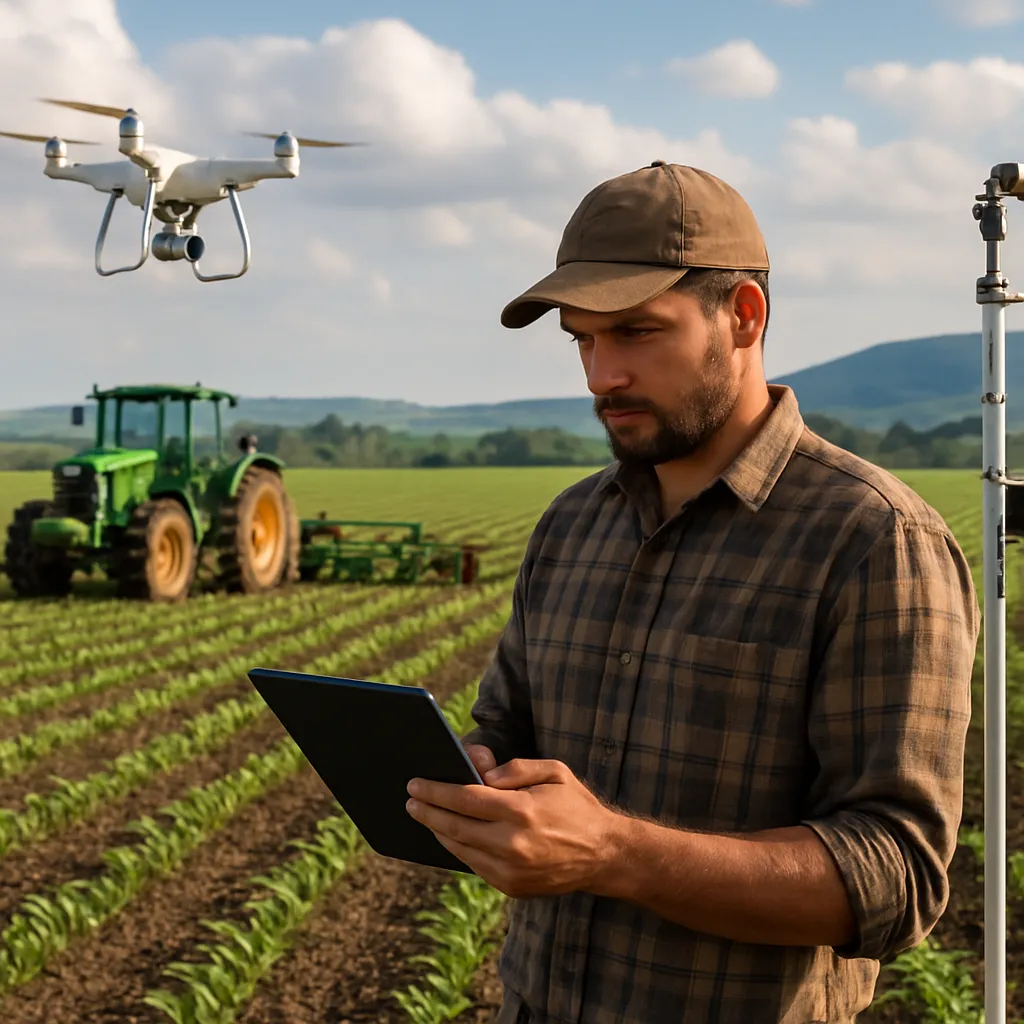
Embracing cutting-edge techniques in agriculture has redefined how farmers approach production and environmental stewardship. By integrating technology, cultivators can maximize yields while protecting natural ecosystems and reducing their carbon footprint. The fusion of traditional wisdom with modern solutions offers a path toward a more resilient and eco-friendly food system.
Smart Farming Technologies Transforming Agriculture
Precision Agriculture and Sensor Networks
Precision agriculture relies on a network of sensors and GPS-enabled devices to collect real-time data on soil conditions, moisture levels, and nutrient status. Farmers leverage this rich dataset to apply inputs exactly where they are needed, cutting down waste and enhancing efficiency. Soil probes and weather stations feed into centralized platforms, enabling targeted fertilizer application and irrigation scheduling. This data-driven approach ensures that crops receive optimal care without depleting resources or harming the surrounding environment.
Autonomous Machinery and Drones
Unmanned aerial vehicles and driverless tractors are at the forefront of agricultural innovation. Drones equipped with multispectral cameras can detect pest infestations or nutrient deficiencies long before they become visible to the naked eye. Meanwhile, self-steering tractors follow precise paths for seeding and spraying, reducing overlaps and missed areas. The automation of repetitive tasks frees farmers to focus on strategic planning, while advanced machinery operates 24/7 with minimal human intervention.
Mitigating Climate Change through Smart Practices
Reducing Greenhouse Gas Emissions
By adopting smart farming methods, agricultural enterprises can dramatically cut greenhouse gas emissions. Optimized fertilizer dosing reduces nitrous oxide release, a potent contributor to atmospheric warming. Meanwhile, methane output from rice paddies and livestock can be curbed through precise water management and feed optimization. Integrating legume cover crops into rotations also promotes nitrogen fixation, decreasing the need for synthetic inputs and lowering the farm’s overall carbon footprint.
Water Conservation and Soil Health
Efficient use of water is critical in the face of shifting rainfall patterns. Smart irrigation systems—such as drip lines controlled by soil moisture monitors—deliver water directly to the root zone, slashing evaporation losses. Maintaining proper soil structure through minimal tillage preserves organic matter and boosts resilience to drought. These practices not only conserve water but also enhance microbial activity, creating a healthier substrate for plant growth and sequestering carbon underground.
Practical Tips for Sustainable Farm Management
- Employ Integrated Pest Management: Use biological controls and targeted treatments to limit pesticide use, protecting beneficial insects and reducing chemical runoff.
- Adopt Crop Rotation: Rotate cereals, legumes, and cover crops to break pest cycles and improve soil fertility naturally.
- Utilize Real-Time Monitoring: Implement remote sensing tools to track crop health and intervene early. This constant monitoring reduces losses and improves productivity.
- Optimize Resource Allocation: Use farm management software to plan labor, machinery, and input needs. This optimization ensures maximum output with minimal waste.
- Invest in Renewable Energy: Solar panels, wind turbines, or biomass digesters can power operations, lowering energy costs and eliminating fossil fuel dependence.
- Enhance Biodiversity: Plant hedgerows, buffer strips, and pollinator-friendly species to support ecosystem services and improve biological conservation.
- Practice Minimal Tillage: Reduce soil disturbance to maintain structure, prevent erosion, and increase carbon sequestration.
- Leverage Mobile Apps: Agricultural apps offer weather forecasts, market prices, and expert advice at your fingertips, streamlining decision-making processes.
- Create On-Farm Nutrient Cycles: Compost crop residues and animal manure to return organic matter to the soil, cutting down on synthetic fertilizer use.
- Plan with Climate Models: Use predictive analytics to anticipate weather risks and adjust planting schedules, ensuring greater farm resilience against extreme events.
Collaborative Approaches and Knowledge Sharing
Fostering networks among farmers, researchers, and agritech companies accelerates the spread of best practices. Field days, webinars, and peer-to-peer mentoring encourage the exchange of insights on new tools and sustainable methods. Government incentives for eco-friendly investments further support the transition to smart systems, making advanced technologies accessible even to smallholder operations.