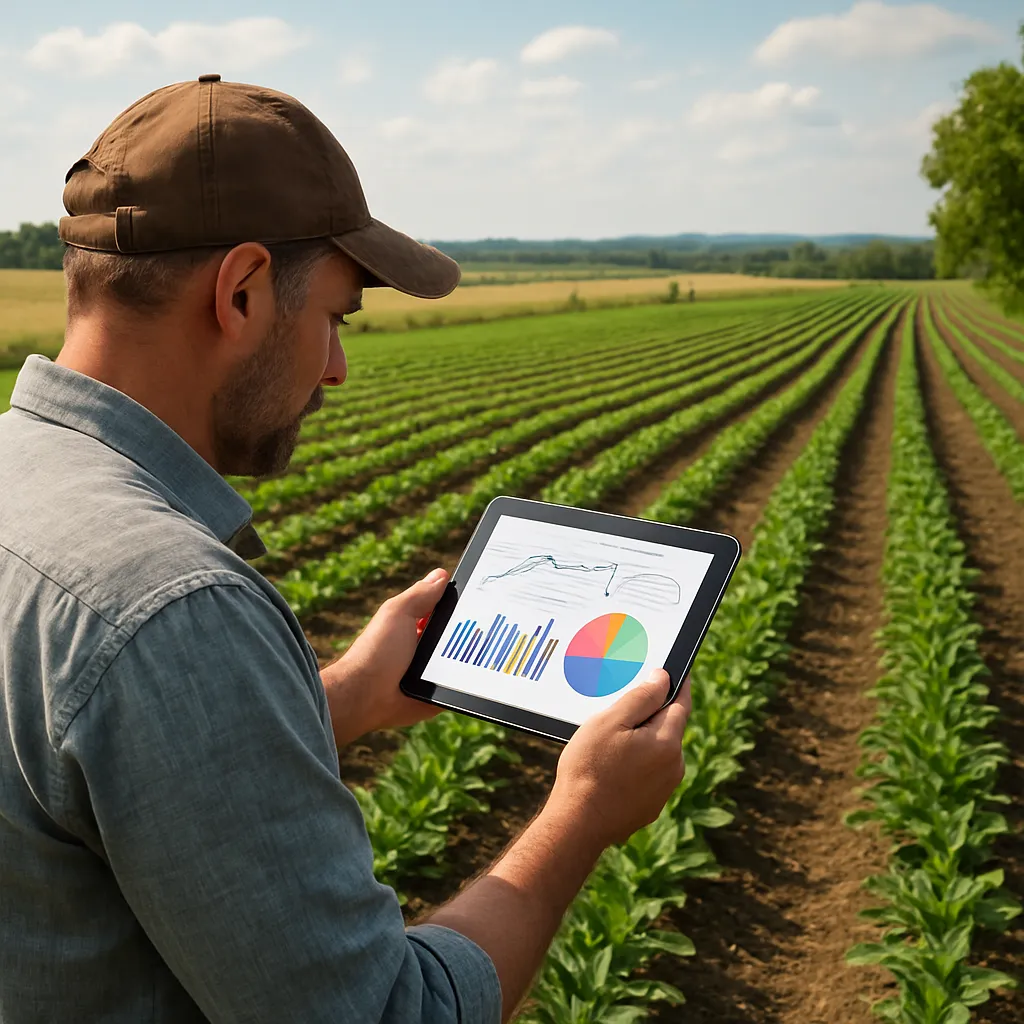
Modern agriculture leverages cutting-edge technologies to transform traditional farming into a data-driven enterprise, enabling growers to optimize their practices and enhance productivity. By harnessing the power of data analytics, farmers can gain actionable insights into crop performance, resource allocation, and environmental factors, paving the way for smarter, more efficient decision-making across every stage of the cultivation process.
Data Sources and Collection Methods
Effective crop planning begins with gathering accurate, timely information from a variety of sources. Integrating multiple data streams creates a comprehensive view of field conditions and potential risks.
- Sensors: Soil moisture probes, temperature gauges, and nutrient sensors placed throughout the field provide real-time updates on the growing environment. These devices form the backbone of precision agriculture by monitoring changes that can directly impact crop health.
- Satellite Imagery: High-resolution images from satellites or drones allow for large-scale monitoring of plant vigor, pest infestations, and irrigation patterns. Normalized Difference Vegetation Index (NDVI) maps can highlight areas of stress that require targeted intervention.
- Weather Stations: On-site or regional weather stations deliver forecasts and historical climate data. Accurate weather information supports planting schedules, irrigation timing, and frost protection measures.
- Farm Machinery Logs: Modern tractors and harvesters equipped with GPS and telemetry record operational data such as fuel use, speed, and covered acreage. This information helps calculate field efficiency and informs maintenance schedules.
- IoT Networks: Internet of Things (IoT) platforms connect diverse sensors and devices into a unified system. By centralizing data, farmers can access dashboards and alerts on any internet-enabled device.
Collecting data is only the first step; ensuring quality and consistency is equally crucial. Calibration, routine maintenance, and standardized protocols help maintain data integrity and prevent erroneous analyses.
Analytics Techniques for Crop Planning
Once data is collected, the next phase involves turning raw information into meaningful insights. Different analytical methods serve distinct purposes in guiding crop planning decisions.
Descriptive Analytics
- Summarizes past field performance using dashboards and reports.
- Highlights trends in yield, input usage, and pest occurrences.
- Uses visualization tools to compare historical seasons and identify patterns.
Predictive Analytics
- Employs statistical models and machine learning algorithms to forecast outcomes, such as expected harvest volumes or disease outbreaks.
- Incorporates external variables—like market prices and climate projections—to refine predictions.
- Enables scenario analysis, helping farmers evaluate “what-if” conditions before finalizing planting plans.
Prescriptive Analytics
- Recommends optimal actions based on predictive models, such as ideal planting dates or precise fertilizer application rates.
- Integrates cost-benefit analyses to balance profitability and resource conservation.
- Supports automatic adjustment of irrigation schedules and input delivery through smart systems.
Implementing advanced analytics often requires collaboration with agronomists, data scientists, and technology providers. Cloud-based platforms streamline the process by offering user-friendly interfaces and pre-built toolkits for small and large operations alike.
Implementing Insights in Field Management
Translating analytic results into field actions demands careful planning, coordination, and continuous monitoring. This stage bridges the gap between theoretical forecasts and on-the-ground practice.
Decision Support Systems
- Digital platforms consolidate data inputs and analytics outputs in a single dashboard.
- Visual alerts signal critical conditions, such as nutrient deficiencies or emerging pest threats.
- Customization options let users set thresholds and response protocols based on farm-specific parameters.
Variable Rate Technology (VRT)
- Enables site-specific application of seeds, fertilizers, and agrochemicals.
- Reduces overuse of inputs, lowering costs and minimizing environmental impact.
- Improves uniformity of growth by tailoring resource allocation to local field variability.
Automated Machinery Integration
- GPS-guided tractors and autonomous vehicles follow preloaded field maps for precise operations.
- Real-time feedback loops adjust equipment settings based on sensor readings.
- Minimizes human error and maximizes consistency in planting, spraying, and harvesting tasks.
Best Practices for Sustainable Crop Planning
Balancing productivity with environmental stewardship is a core objective of modern agriculture. A data-centric approach not only boosts efficiency but also promotes long-term sustainability.
- Crop Rotation and Diversity: Analyze soil nutrient trends to schedule rotations that naturally replenish key elements and break pest cycles.
- Conservation Tillage: Use data on soil texture and moisture retention to decide where reduced or no-till methods can prevent erosion and enhance carbon sequestration.
- Cover Cropping: Identify off-season periods when cover crops can improve soil structure, suppress weeds, and fix atmospheric nitrogen.
- Water-Use Efficiency: Leverage irrigation models to apply the right volume of water at the optimal time, conserving resources while ensuring healthy plant growth.
- Energy Management: Track machinery energy consumption to refine field logistics and schedule equipment use for off-peak electricity rates.
Adopting sustainable practices yields both ecological and economic benefits. Over time, reduced input waste and healthier soils contribute to improved profitability and resilience against climate variability.
Challenges and Future Trends
While the promise of data analytics in agriculture is immense, several obstacles remain on the path to full-scale adoption.
- Data Silos: Fragmented systems can hinder seamless integration of information across platforms, requiring standardized protocols and APIs.
- Technical Expertise: Farmers and agronomists must develop skills in data interpretation, model validation, and digital tool management.
- Connectivity: Rural areas may lack reliable internet access, limiting real-time data exchange and cloud computing capabilities.
- Cost-Effectiveness: Initial investments in sensors, software subscriptions, and training can be a barrier for small-scale producers.
Despite these challenges, emerging innovations are poised to make advanced analytics more accessible:
- Edge computing devices that process data on-site, reducing dependence on broadband connections.
- Affordable, open-source analytics tools tailored to smallholder needs.
- Collaborative platforms that pool data from multiple farms to improve model accuracy and distribution of insights.
- Advances in remote sensing and AI-driven image analysis for more granular, automated monitoring.
By staying informed about technological developments and best practices, farmers can gradually integrate data analytics into every phase of crop planning, fostering a smarter, more resilient future for global agriculture.