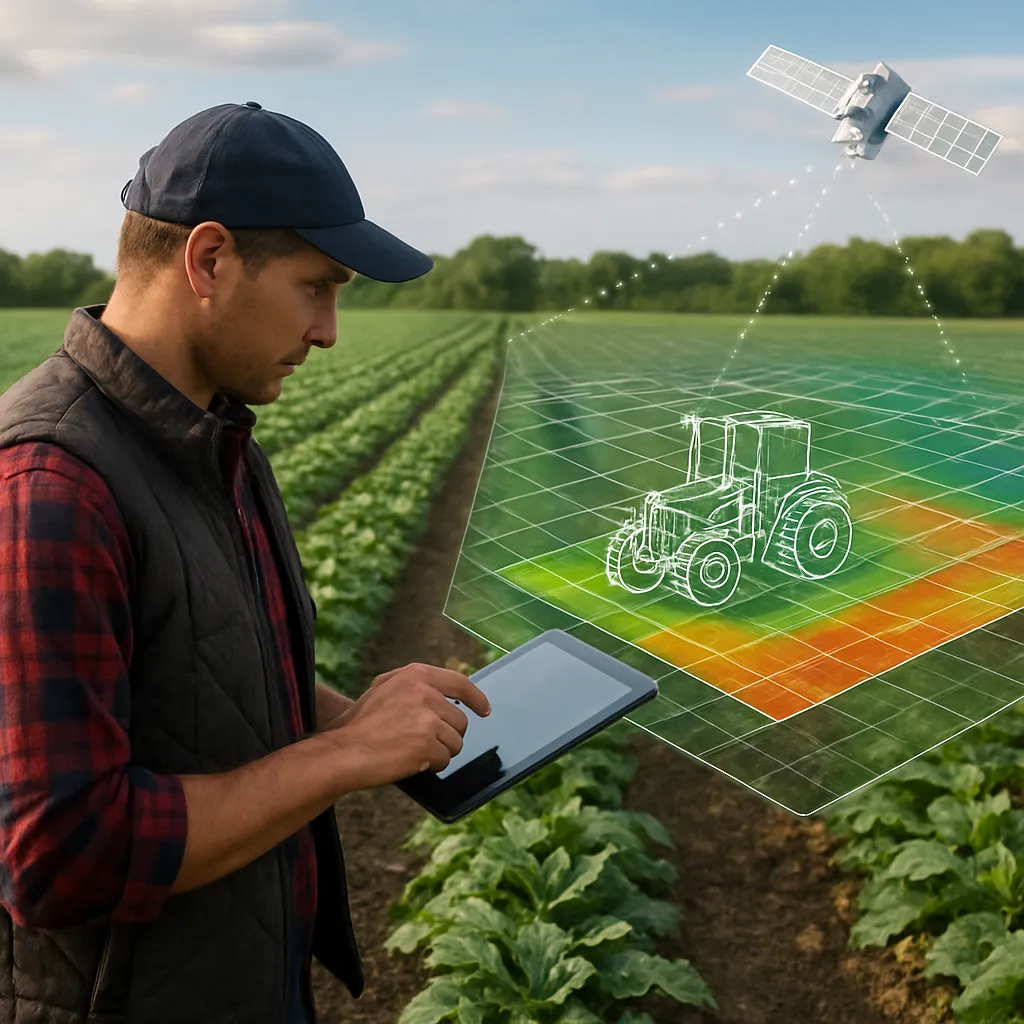
Precision agriculture has become a key driver of innovation in the farming industry, harnessing advanced technologies to boost productivity, reduce waste, and enhance environmental stewardship. Among these technologies, digital twins stand out as a game-changer. By creating virtual replicas of physical assets—fields, crops, equipment, and entire farm systems—farmers can gain unprecedented insights and make informed decisions. This article explores how digital twins are revolutionizing agriculture, outlines strategies for successful implementation, and offers practical tips to help farmers maximize the benefits of this data-driven approach.
Benefits of Digital Twins in Precision Agriculture
Digital twins bring together real-time data, advanced analytics, and modeling capabilities to deliver a comprehensive view of farm operations. The following are some of the most significant advantages:
Enhanced Crop Monitoring and Health Management
By integrating data from satellite imagery, drones, and on-the-ground sensors, digital twins provide up-to-the-minute information on soil moisture, temperature, and nutrient levels. This continuous feedback loop allows farmers to spot stress, disease, or pest infestations early, leading to prompt interventions that protect yields.
Optimized Resource Utilization
Water, fertilizer, and energy are among the most critical resources in farming, and their efficient use can dramatically affect both profits and environmental impact. Digital twins simulate various application strategies, enabling:
- Precise irrigation scheduling based on soil water-holding capacity and weather forecasts
- Site-specific fertilization plans that match crop nutrient requirements
- Reduced machinery idle time, cutting fuel consumption and greenhouse gas emissions
Predictive Maintenance for Farm Equipment
Farm machinery downtime can be costly. By creating virtual models of tractors, combines, and irrigation systems, digital twins analyze performance data to predict component failures. This predictive approach ensures maintenance is performed just-in-time, avoiding unexpected breakdowns and extending equipment life.
Yield Improvement and Risk Reduction
Combining historical yield maps with real-time data allows digital twins to forecast production at harvest. Farmers can adjust planting densities, crop varieties, and harvest timing to maximize yield while minimizing risks associated with weather variability and market fluctuations.
Implementation Strategies for Digital Twins
Transitioning from traditional farming practices to a fully integrated digital twin system requires a structured approach. Below are key steps to ensure a smooth and effective implementation:
1. Data Collection and Integration
Begin by identifying the most valuable data sources on your farm. Common inputs include:
- Soil moisture and nutrient sensors
- Weather stations and forecast services
- Drone or satellite-based imaging
- Equipment telematics (GPS, engine health, fuel usage)
Integrating these diverse datasets into a centralized platform ensures that your digital twin remains accurate and up-to-date.
2. Selecting the Right IoT and Cloud Platforms
Cloud-based solutions offer scalable storage and processing power crucial for handling large volumes of farm data. When evaluating platforms, consider:
- Compatibility with existing IoT devices and sensors
- Advanced analytics and machine learning capabilities
- Data security and compliance with agricultural privacy standards
- User-friendly interfaces and mobile access for field teams
3. Building and Calibrating the Virtual Model
Constructing an accurate digital twin involves:
- Defining the physical elements (plot boundaries, irrigation lines, crop zones)
- Incorporating biological and mechanical behavior (growth rates, machine performance)
- Calibrating the model using historical yield and operational data
Regular calibration ensures the twin reflects real-world conditions, improving the reliability of simulations and forecasts.
4. Integrating Optimization Algorithms
Advanced digital twins employ optimization routines to suggest the best course of action. Whether it’s planting density, irrigation schedules, or harvest timing, these algorithms analyze multiple scenarios and recommend strategies that balance cost, productivity, and environmental impact.
5. Training and Change Management
Successful adoption hinges on stakeholder buy-in. Invest in training programs for farm managers, agronomists, and field technicians, focusing on:
- Interpreting digital twin outputs
- Adjusting operational plans based on recommendations
- Maintaining and troubleshooting sensors and equipment
Best Practices and Tips for Farmers
Once a digital twin is up and running, farmers can further enhance its value by following these practical tips:
Tip 1: Start Small and Scale Gradually
Rather than digitizing the entire operation at once, pilot the system on a representative field or crop. This approach minimizes risk and allows you to refine workflows before full-scale deployment.
Tip 2: Focus on High-Value Crops and Zones
Concentrate efforts where the return on investment is greatest. For instance, using digital twins on high-value vegetable plots or drought-prone areas yields more dramatic improvements than applying the system uniformly across low-stakes fields.
Tip 3: Leverage Collaborative Networks
Join farmer cooperatives or agtech consortiums to share insights, data standards, and successful use cases. Collaboration accelerates learning and drives industry-wide innovation.
Tip 4: Maintain Robust Data-Driven Documentation
Keep detailed records of all interventions guided by the digital twin—irrigation events, fertilizer applications, machinery maintenance, and yields. This documentation strengthens future models and supports traceability for certifications or compliance.
Tip 5: Embrace Continuous Improvement
The agricultural landscape is dynamic, with evolving climate patterns, new crop varieties, and technological advances. Regularly update your digital twin with fresh data, test new predictive models, and refine operational strategies to stay ahead of challenges.
Tip 6: Prioritize Sustainability Goals
Use digital twins not only to boost profits but also to minimize environmental impact. Track carbon footprints, water usage, and soil health metrics. Optimization routines can be configured to balance productivity with resource conservation, driving a more sustainable future for agriculture.
Tip 7: Integrate Human Expertise with Virtual Insights
While digital twins excel at processing complex datasets, human agronomic knowledge remains invaluable. Combine on-the-ground observations with virtual recommendations to arrive at well-rounded decisions.
Tip 8: Monitor Key Performance Indicators (KPIs)
Define KPIs such as water use efficiency, application accuracy, downtime reduction, and profit per hectare. Regularly review these metrics to assess the impact of your digital twin initiative and justify further investments.