In an era marked by rapid advancements and growing environmental concerns, agriculture stands at a crossroads between tradition and innovation. Farmers and agronomists worldwide are seeking new methods to enhance crop productivity, bolster soil health, and safeguard ecosystems. This article explores key trends, sustainable practices, and actionable tips designed to empower producers and enthusiasts alike, ensuring a balanced approach to feeding the world sustainably.
Understanding Modern Agriculture Trends
Global food systems are undergoing transformative shifts, driven by population growth, climate variability, and evolving consumer preferences. To navigate these changes, stakeholders must embrace holistic strategies that integrate scientific insights and local knowledge.
Precision Farming
Precision farming relies on data-driven techniques to manage field variability and optimize input use. By employing GPS-guided equipment, remote sensing, and variable-rate technology, producers can tailor fertilizer, water, and pesticide applications to specific zones, reducing waste and improving overall efficiency.
- Soil mapping to identify nutrient hotspots.
- Drone imagery for early pest detection.
- Yield monitors that track output in real time.
Climate-Smart Agriculture
Climate-smart agriculture aims to enhance farm resilience to weather extremes while mitigating greenhouse gas emissions. Practices include conservation tillage, agroforestry, and diversified cropping systems that foster ecosystem stability.
- Cover cropping to reduce erosion and sequester carbon.
- Integrating trees with crops or livestock for shade and biodiversity.
- Adjusting planting dates based on long-term weather forecasts.
Sustainable Practices for the Future
Adopting sustainable practices is crucial to preserving natural resources and ensuring long-term productivity. Farmers can implement several strategies to promote soil vitality, water conservation, and ecological balance on their land.
Soil Health Management
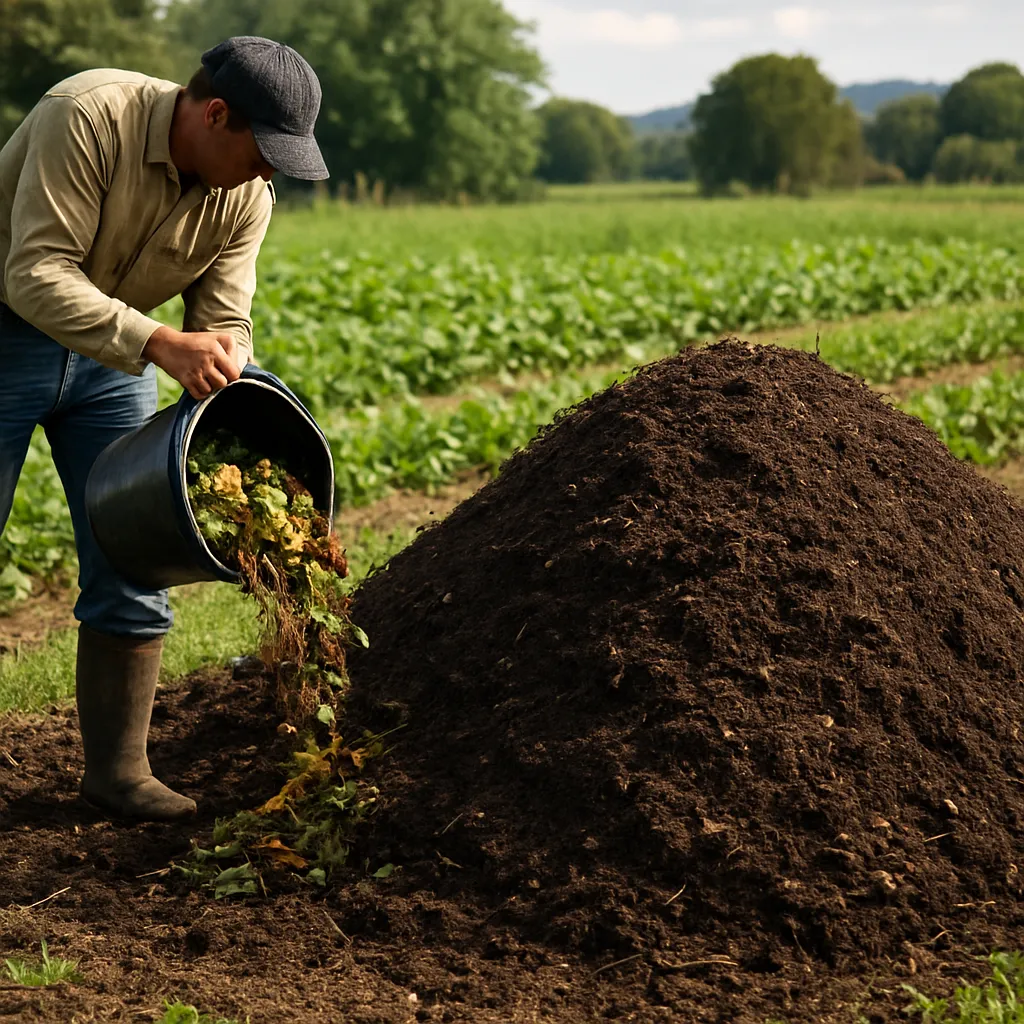
Healthy soil is the cornerstone of productive agriculture. Regular soil testing helps monitor pH levels, nutrient availability, and organic matter content, enabling targeted amendments that keep the balance optimal.
- Incorporate compost and organic residues to boost biodiversity in the soil.
- Rotate crops to break pest and disease cycles.
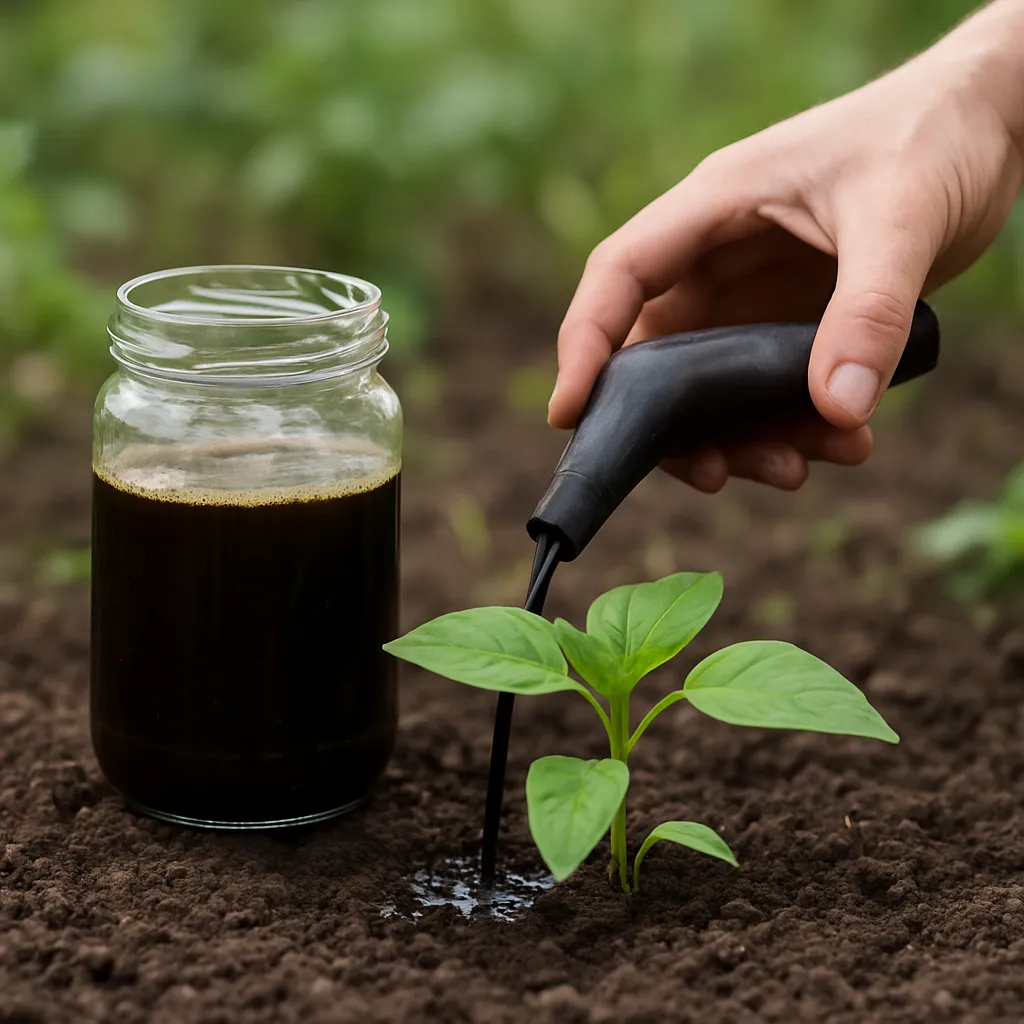
- Utilize green manures to add nutrients and improve structure.
Water-Saving Techniques
With water scarcity becoming a global concern, effective irrigation management is paramount. Implementing precision irrigation systems can drastically reduce consumption while maintaining crop health.
- Drip irrigation delivers water directly to the root zone.
- Use soil moisture sensors to schedule watering events.
- Collect rainwater in ponds or tanks for dry-season use.
Innovative Tips to Improve Crop Yields
Enhancing crop yields involves a blend of agronomic expertise and creative problem-solving. Farmers who stay informed about emerging research and adopt tailored strategies can achieve significant productivity gains.
Integrated Pest Management (IPM)
IPM emphasizes a combination of biological, cultural, and chemical controls to manage pests sustainably. By prioritizing natural predators and minimizing pesticide reliance, producers can maintain healthier ecosystems and reduce input costs.
- Introduce beneficial insects like ladybugs and predatory mites.
- Plant trap crops to lure pests away from main fields.
- Apply targeted biopesticides only when thresholds are exceeded.
Optimizing Nutrient Use
Balanced fertilization maximizes plant growth while limiting environmental impacts. Split applications based on growth stages ensure crops receive nutrients when they need them most, improving yield and reducing leaching.
- Conduct tissue tests to detect micronutrient deficiencies.
- Apply slow-release fertilizers for sustained nutrient supply.
- Leverage legume cover crops to fix atmospheric nitrogen.
Leveraging Technology in Agriculture
Cutting-edge technologies are democratizing access to critical farm data, enabling smarter decision-making and fostering collaboration across the supply chain. Embracing digital tools can transform on-farm operations and positively impact consumer trust.
Blockchain for Traceability
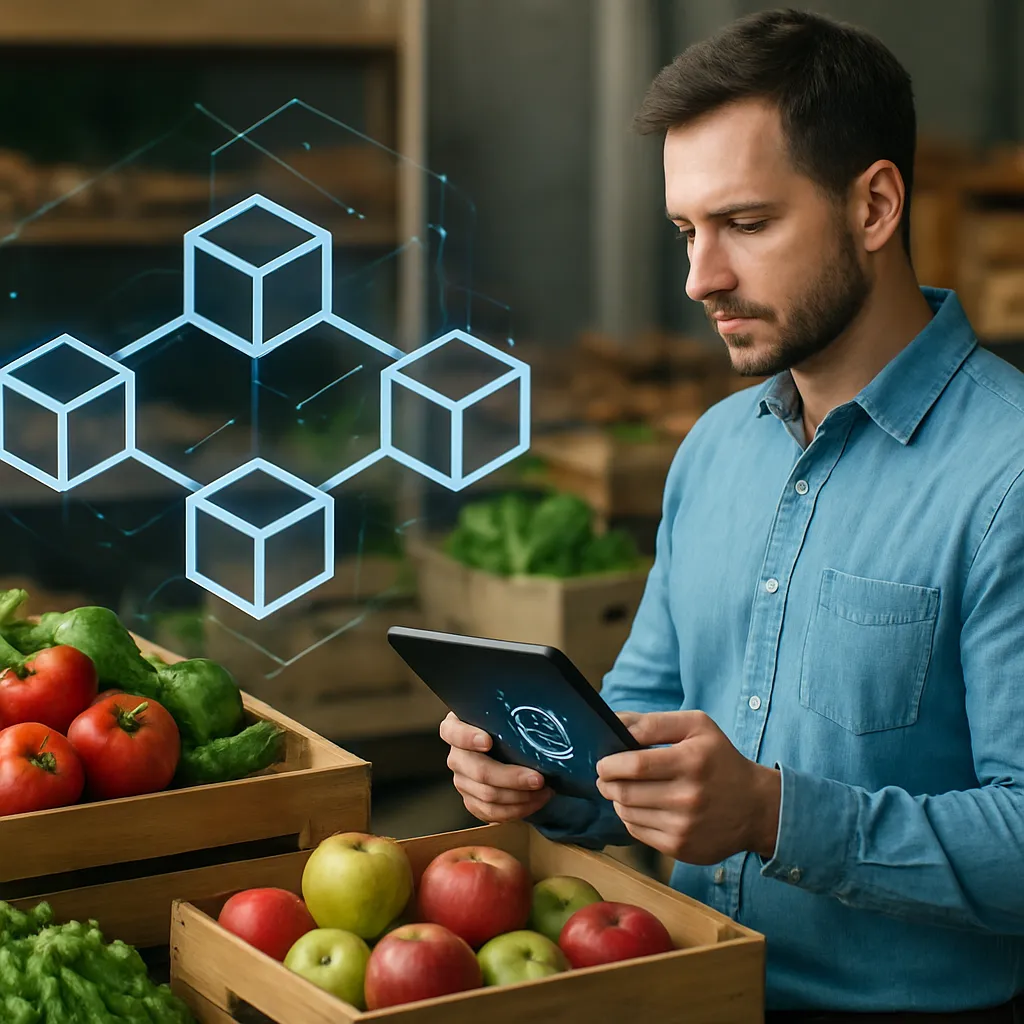
By recording each transaction on an immutable ledger, blockchain enhances transparency and food safety. Consumers can track a product’s journey from seed to shelf, ensuring authenticity and reducing waste from recalls.
- Tag products with QR codes for instant origin checks.
- Streamline certification processes with verifiable records.
- Minimize fraud and improve supply chain security.
Internet of Things (IoT)
IoT devices, such as smart sensors and connected machinery, gather real-time metrics on soil moisture, nutrient levels, and weather conditions. This constant flow of data enables proactive management and rapid response to anomalies.
- Automate greenhouse climate control for ideal conditions.
- Receive alerts when equipment requires maintenance.
- Analyze historical data to refine planting schedules.
Robotics and Automation
Autonomous tractors, robotic harvesters, and automated weeding systems reduce labor bottlenecks and increase operational efficiency. As agricultural workforces shrink, robotics will play an essential role in maintaining productivity.
- Deploy robots to thin seedlings and perform precision weeding.
- Use vision systems to grade fruits and vegetables by size and color.
- Implement self-driving machinery to operate around the clock.
By integrating these approaches—combining time-tested agronomic methods with state-of-the-art innovations—farmers can cultivate robust systems that deliver consistent returns, build ecological resilience, and meet the nutritional demands of a growing global population.