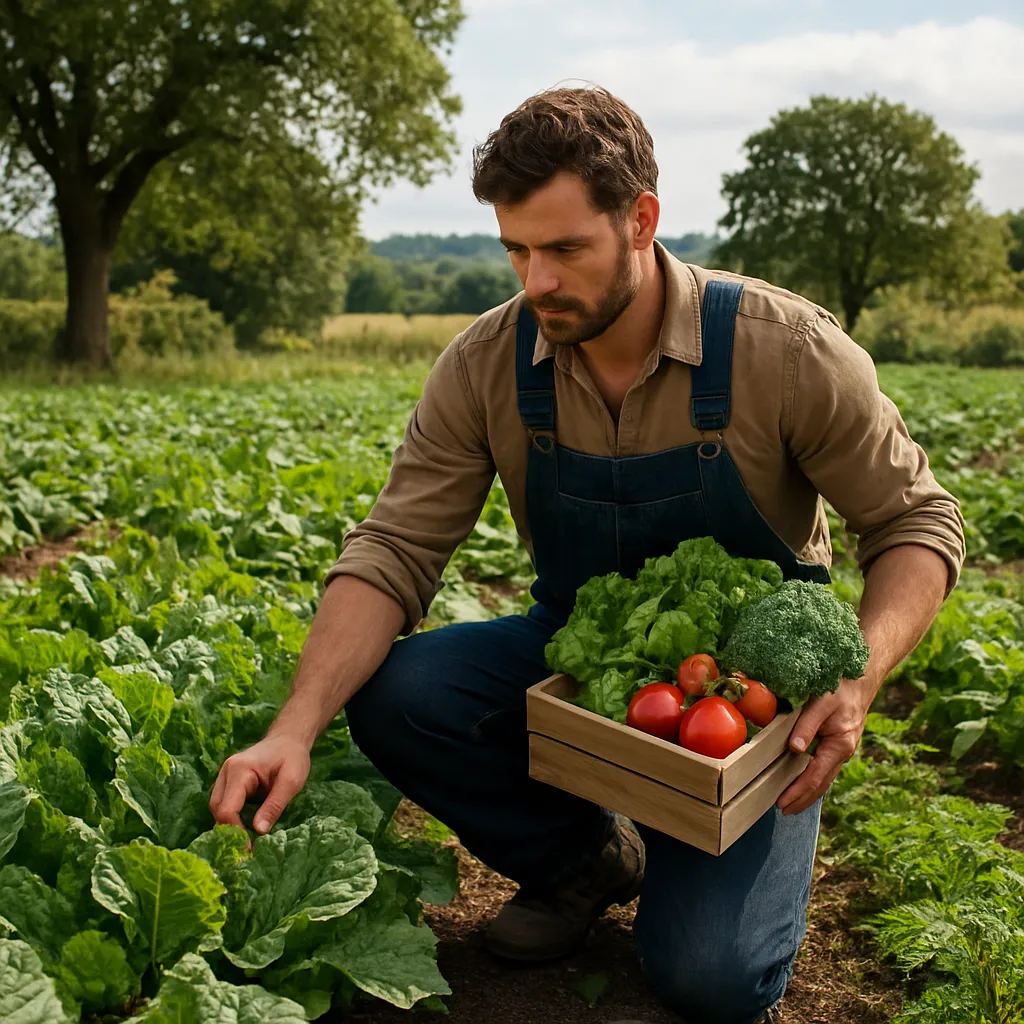
Managing a farm’s environmental impact involves a holistic approach that balances productivity with ecological responsibility. By focusing on strategies that lower greenhouse gas emissions, enhance soil quality, and promote biodiversity, farmers can significantly reduce their carbon footprint while securing long-term viability. The following sections explore practical tips and innovations to transform your agricultural operation into a model of sustainability.
Optimizing Soil Management for Climate Benefits
Healthy soil is at the heart of any successful farming enterprise. Embracing regenerative agriculture practices not only sequesters atmospheric carbon but also improves water retention and nutrient cycling. Consider these key methods:
- No-till farming: Minimizes soil disturbance, preserves organic matter, and reduces CO₂ release.
- Cover crops: Planting legumes, grasses, or brassicas during fallow periods prevents erosion, suppresses weeds, and fixes nitrogen.
- Crop rotation: Alternating plant families interrupts pest cycles and enhances soil health by diversifying root structures.
- Composting: Recycling crop residues and manure returns nutrients to the field, cutting reliance on synthetic fertilizers.
- Biochar application: Incorporating charcoal-like material boosts carbon storage and improves soil structure.
These practices work synergistically to increase organic carbon content, creating a living soil ecosystem that is both resilient to climate extremes and less dependent on fossil-fuel-based inputs.
Implementing Renewable Energy Solutions
Transitioning to clean energy sources reduces on-farm emissions and can offer cost savings over time. Key options include:
- Solar panels: Mounted on barns or open fields, photovoltaic arrays generate electricity for equipment, irrigation pumps, and lighting.
- Wind turbines: Small- to medium-scale installations harness local wind resources to power operations or feed excess energy back to the grid.
- Biogas digesters: Converting livestock manure and crop residues into methane-rich biogas provides a renewable replacement for propane or diesel.
- Ground-source heat pumps: Extracting stable underground temperatures for heating and cooling reduces reliance on fossil-fuel furnaces.
Integrating on-site energy storage, like batteries, ensures reliable power flow during peak demand or grid outages. Such systems support energy independence and guard against price volatility.
Efficient Water Use and Irrigation Management
Water scarcity and energy use in pumping make efficient irrigation a high-priority target. Innovations to consider:
- Drip irrigation: Delivers water directly to the root zone, reducing evaporation losses by up to 60% compared to overhead sprinklers.
- Soil moisture sensors: Automated feedback loops optimize watering schedules, preventing both under- and over-irrigation.
- Rainwater harvesting: Capturing roof runoff and directing it into storage tanks provides a free, on-farm water source.
- Subsurface drip lines: Buried emitters eliminate surface evaporation and allow for precise nutrient injection.
Coupling these techniques with periodic irrigation audits helps pinpoint leaks or inefficiencies. Less pumping means fewer diesel or electric kilowatt-hours consumed, directly lowering the farm’s greenhouse gas emissions.
Integrating Agroforestry and Biodiversity Practices
Combining trees, shrubs, and pastureland creates multifunctional landscapes that capture carbon, support wildlife, and stabilize soil. Agroforestry systems to explore:
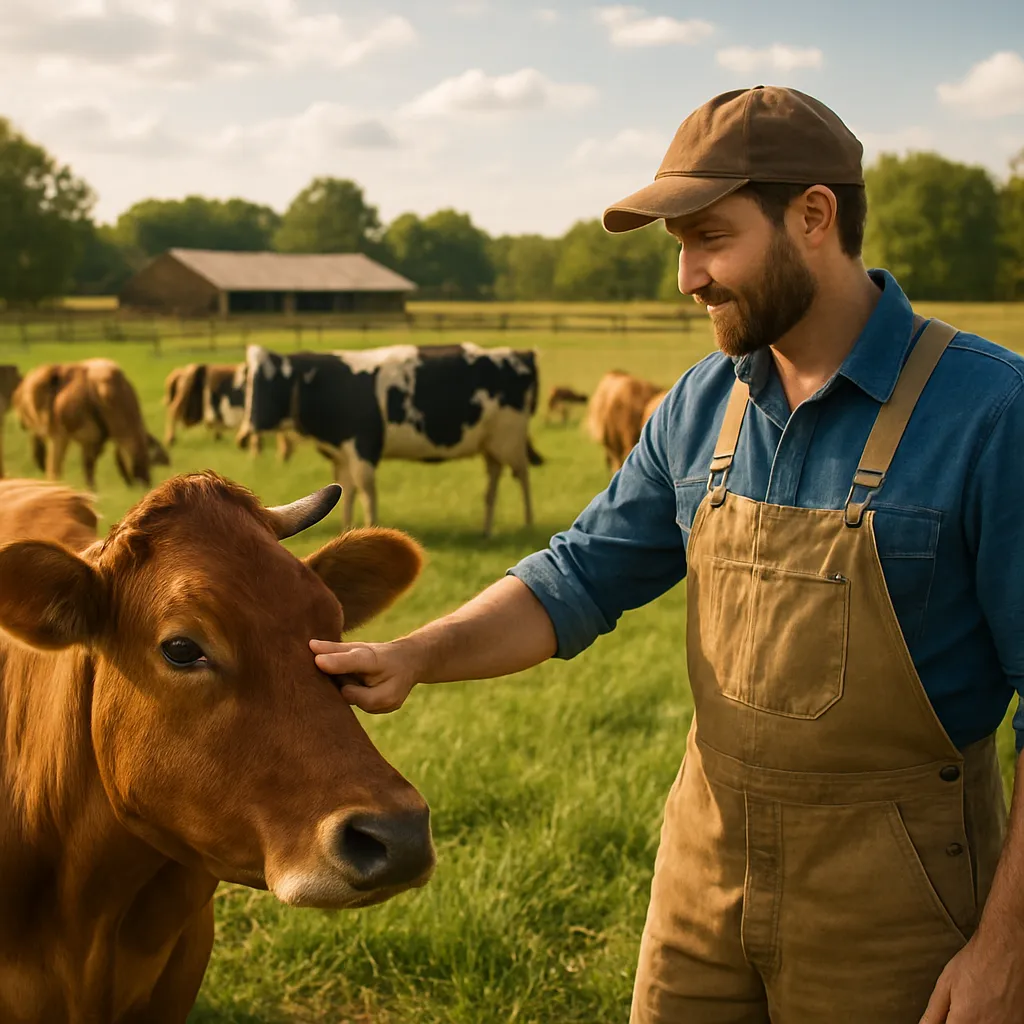
- Silvopasture: Grazing livestock beneath tree canopies enhances animal welfare, diversifies income sources, and increases carbon storage in trunks and roots.
- Alley cropping: Planting rows of fruit or nut trees alongside annual crops maximizes land productivity and shields soils from erosion.
- Hedgerows and windbreaks: Native shrubs and grasses act as wildlife corridors, reduce wind erosion, and trap particulate matter.
These living infrastructure elements boost biodiversity, fostering natural pest predators and pollinators. The resulting ecosystem services translate to lower chemical inputs and more resilient yields.
Adopting Precision Agriculture for Resource Efficiency
Modern sensors, GPS guidance, and data analytics allow farmers to apply inputs with surgical accuracy. Key precision strategies:
- Variable-rate fertilization: Soil tests guide nutrient applications, avoiding overuse of nitrogen and phosphorus that contribute to nitrous oxide emissions.
- Yield mapping: Tracking harvest data reveals field zones that require tailored interventions, boosting overall efficiency.
- Automated steer systems: GPS-linked tractors reduce overlaps and minimize fuel consumption.
- Remote sensing: Drones and satellite imagery detect early stress from drought, pests, or disease, enabling targeted responses.
By matching input levels to real-time field conditions, farmers conserve resources, lower costs, and shrink the farm’s overall environmental impact.
Supporting Carbon Markets and Incentive Programs
Many regions offer financial incentives to farmers who adopt climate-smart practices. Consider:
- Carbon credit programs: Measuring and verifying on-farm carbon sequestration can generate tradable credits.
- Government grants: Subsidies for conservation tillage equipment or renewable installations reduce upfront costs.
- Certification schemes: Participating in eco-labeling networks enhances market access and often commands price premiums.
Engaging with these opportunities not only offsets implementation expenses but also rewards long-term ecological stewardship.
Continuous Monitoring and Adaptive Management
Reducing a farm’s carbon footprint is an ongoing process. Implement a monitoring plan that tracks:
- Fuel and energy use
- Fertilizer and pesticide application rates
- Water consumption and irrigation efficiency
- Soil organic carbon levels
- Biodiversity indicators (bird counts, beneficial insect populations)
Regularly reviewing these metrics helps farmers adjust tactics, adopt emerging technologies, and share successes with peers. Ultimately, a commitment to continuous improvement ensures that the farm remains both profitable and environmentally responsible for generations to come.