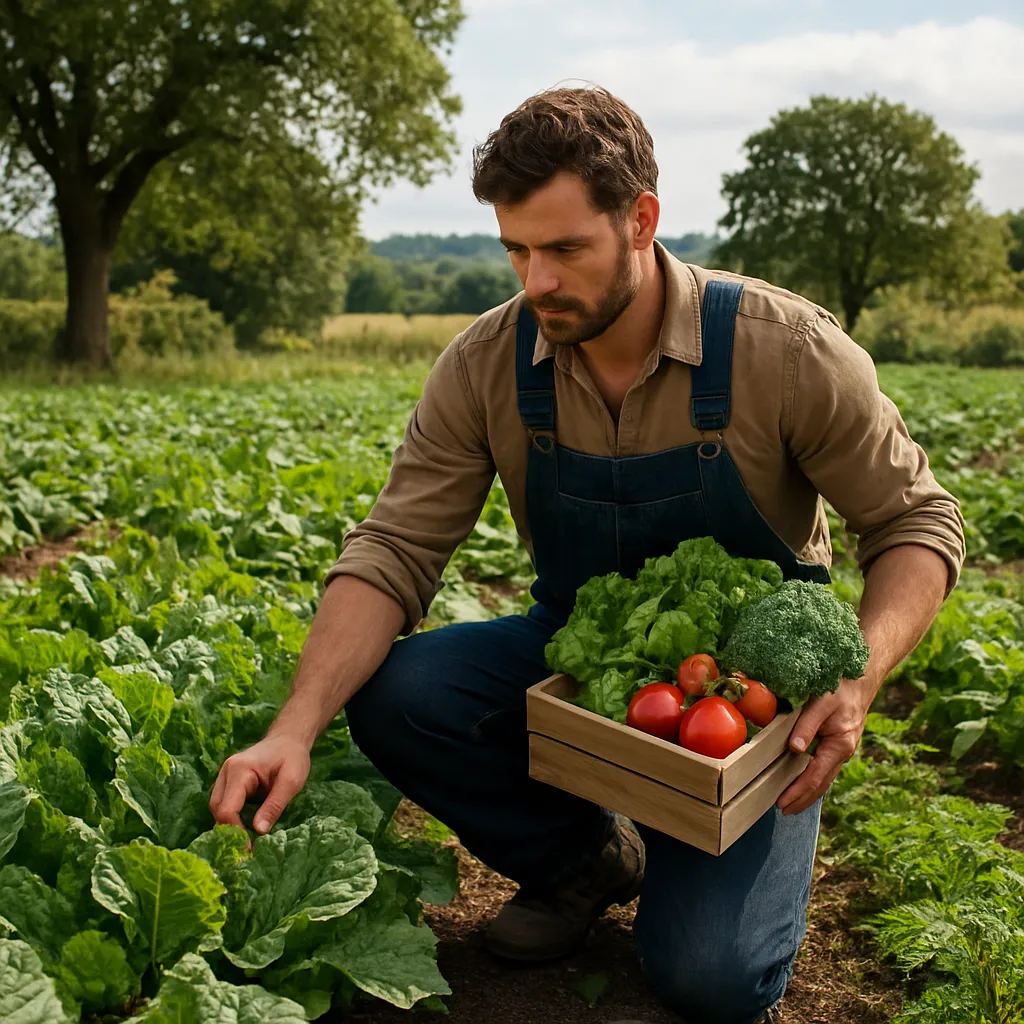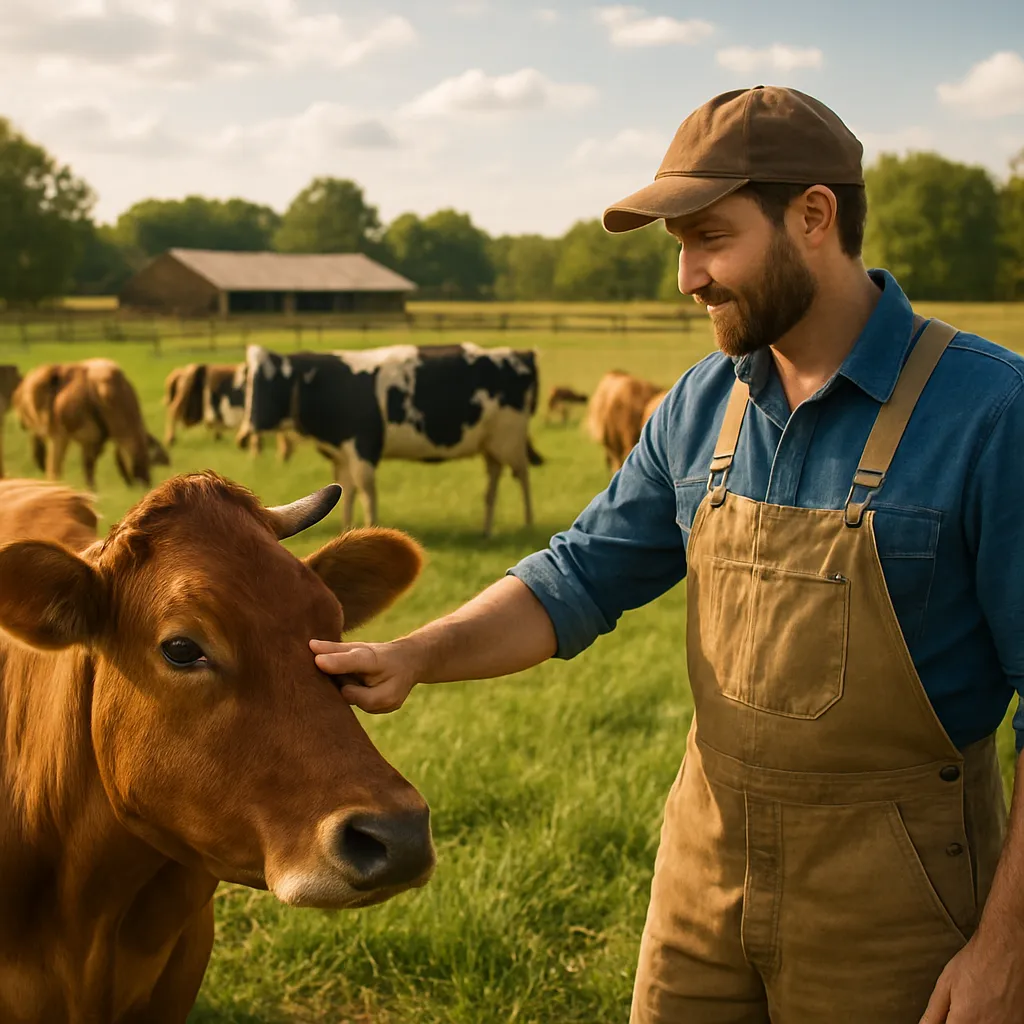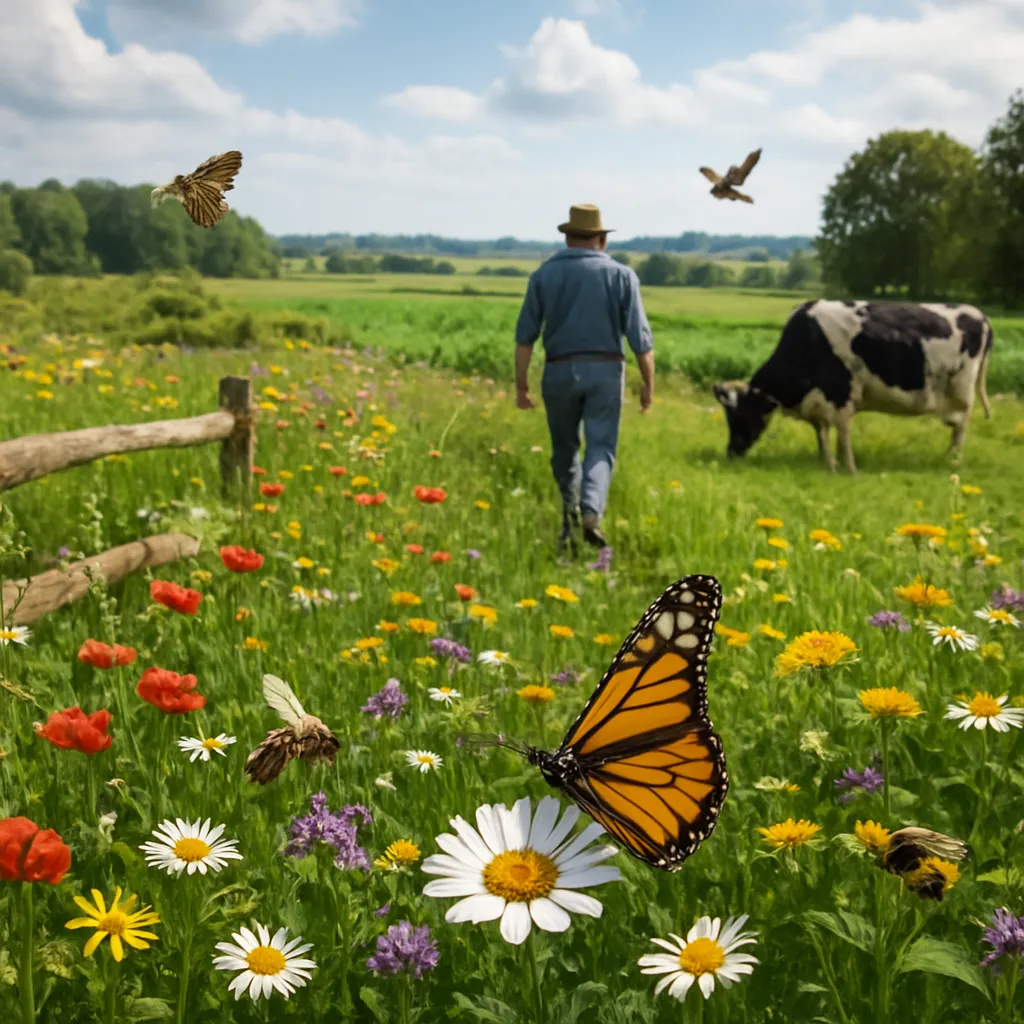
Promoting a thriving farm ecosystem requires thoughtful planning and deliberate actions that support a wide array of plant and animal life. By embracing diverse practices, you can enhance soil fertility, attract beneficial insects and wildlife, and build resilience against pests and environmental stress. Below are key strategies and practical tips to help you foster biodiversity on your farm while boosting productivity and sustainability.
Creating Habitat Diversity Across the Landscape
A farm that offers a variety of microhabitats invites a broader spectrum of species to take up residence. Introducing structural and plant diversity can transform monocultural fields into vibrant ecosystems.
- Field Margins: Establish grassy or wildflower strips around fields to serve as refuges and feeding grounds for pollinators and predatory insects.
- Hedgerows and Windbreaks: Plant native shrubs and trees along boundaries to form corridors for wildlife movement, reduce erosion, and act as natural pest barriers.
- Woodland Patches: Retain or restore small patches of mixed-species woodland to offer nesting sites for birds, shelter for mammals, and hosts for beneficial fungi.
- Wetland Restoration: Excavate or rehabilitate ponds and marshy areas to attract amphibians, waterbirds, and aquatic invertebrates.
Each habitat element should be linked, ensuring species can move safely between foraging, nesting, and breeding sites. Connectivity is as crucial as the habitats themselves; continuous or stepping-stone corridors help sustain healthy populations.
Integrating Beneficial Species into Farming Systems
Beyond passive habitat creation, actively bringing in useful plants and animals can enhance ecosystem services and reduce reliance on chemical inputs.
- Cover Crops: Rotate cereal or broadleaf cover crops between main cash crops to improve soil organic matter, suppress weeds, and support earthworms. Leguminous covers can fix nitrogen naturally.
- Agroforestry: Combine rows of trees or shrubs with crops or pasture. Alley cropping and silvopasture systems provide shade, wind protection, and extra fodder, while increasing carbon sequestration.
- Beneficial Insects: Release or encourage lacewings, parasitic wasps, and ladybirds for natural pest control. Plant banker plants to sustain predator populations when pest levels are low.
- Livestock Integration: Rotate cattle, sheep, or poultry through orchards or cover-cropped fields. Animals can help manage weeds and fertilize the soil simultaneously.
Well-chosen plant and animal partners can create mutual benefits. For instance, native shrubs planted among crops or pastures can yield berries or nuts while providing habitat; these native species require less maintenance and often resist local pests and drought conditions.
Enhancing Soil Health and Water Management
Healthy soil is the cornerstone of a diverse farm ecosystem. Rich, well-structured soil supports a multitude of microbes, fungi, and invertebrates, setting the stage for robust plant growth and resilient yields.
- Minimal Tillage: Reduce plowing depth or adopt no-till practices to preserve soil structure, prevent erosion, and protect fungal networks.
- Organic Amendments: Apply compost, manure, or biochar to boost soil organic matter, enhance moisture retention, and feed beneficial organisms.
- Contour Farming: Plant rows along natural slopes to slow water runoff, reduce erosion, and recharge groundwater.
- Buffer Zones: Establish vegetation strips along waterways to filter sediments, absorb excess nutrients, and provide aquatic wildlife habitat.
- Rainwater Harvesting: Install swales, berms, or small ponds to capture and distribute rainfall, reducing drought stress and creating aquatic niches.
By managing water carefully and nurturing living soil, you lay the groundwork for a resilient system. Healthy soils deliver nutrients slowly, store carbon, and support a web of life from bacteria to earthworms.
Implementing Integrated Pest Management and Continuous Monitoring
Combining ecological principles with targeted interventions leads to effective pest suppression and long-term stability.
- Regular Scouting: Walk fields frequently to observe pest and beneficial species populations. Early detection allows for precise responses.
- Thresholds and Action Plans: Set economic or ecological thresholds for pest levels. Only intervene when populations exceed safe limits to preserve natural enemies.
- Biological Controls: Introduce or augment predators, pathogens, or parasitoids rather than relying solely on chemicals. This keeps pest outbreaks in check without damaging non-target species.
- Cultural Practices: Rotate crops, adjust planting dates, and select resistant cultivars to interrupt pest life cycles.
- Record Keeping and Monitoring: Maintain logs of pest sightings, weather conditions, and interventions. Analyze data each season to refine your strategy.
Adaptive management hinges on solid data and feedback loops. By documenting outcomes and adjusting methods, you ensure continuous improvement and sustained biodiversity gains.
Building Community and Knowledge Networks
Individual efforts multiply when farmers share experiences, research, and successes. Creating or joining local networks helps spread innovative ideas and proven techniques.
- Host on-farm field days or workshops showcasing habitat designs and pest control successes.
- Collaborate with universities, extension services, and conservation groups to access the latest research on agroforestry, soil health, and integrated systems.
- Participate in citizen science projects to contribute monitoring data for pollinators or soil biodiversity.
- Form cooperative purchasing groups for seeds of native species, cover crop blends, or beneficial insect releases.
A strong community network accelerates learning, spreads risk, and can unlock funding or technical support for habitat restoration or equipment purchases.
Conclusion
Embracing diverse habitats, integrating beneficial species, nurturing soil and water resources, and applying thoughtful pest management all contribute to a resilient, productive farm. With continuous monitoring and adaptation, you’ll cultivate an environment where crops, animals, and wild species thrive together, securing both ecological health and long-term farm profitability.