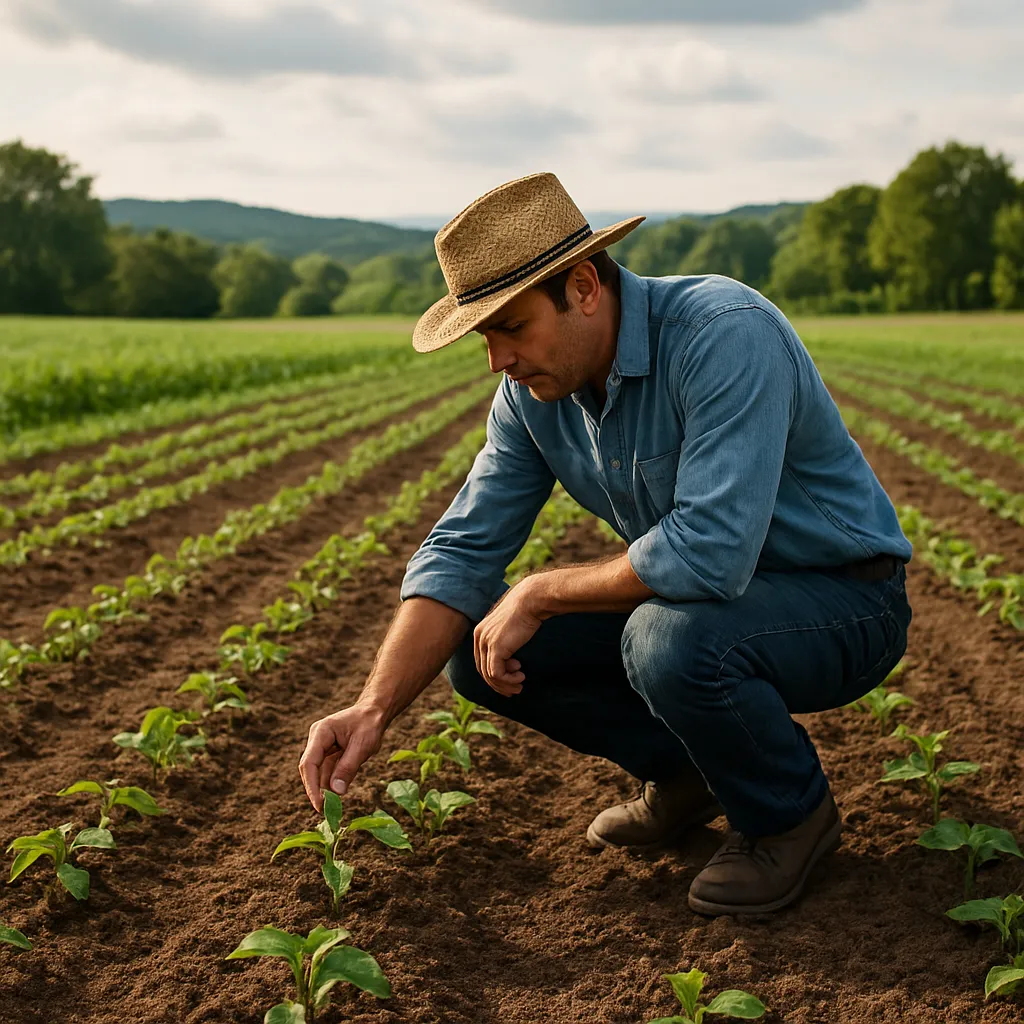
Carbon farming represents a transformative approach to agriculture that elevates the role of farms beyond food production. By capturing atmospheric carbon dioxide and storing it in soils and vegetation, these practices help mitigate climate change while boosting farm productivity. This article explores the core principles, methods, and practical guidance for integrating carbon farming into modern agriculture.
Enhancing Soil Health through Carbon Farming
Healthy soils form the backbone of resilient agricultural systems. Through strategic land management, carbon farming improves soil health by increasing organic matter and enhancing nutrient cycling. An enriched soil structure holds more water, reduces erosion, and sustains vigorous plant growth. As roots delve into well-amended soils, they deposit exudates that feed beneficial microorganisms, creating a self-reinforcing cycle of fertility.
Key Benefits of Organic Matter
- Enhanced water retention reduces irrigation demands.
- Greater resistance to drought and temperature extremes.
- Stabilization of soil aggregates, preventing erosion.
By focusing on practices that build organic carbon stocks, farmers can transform degraded fields into thriving ecosystems. As humus accumulates, soils develop a sponge-like capacity to buffer against heavy rainfall events, decreasing runoff and nutrient leaching.
Integrating Regenerative Agriculture Practices
Regenerative agriculture embodies a suite of methods designed to restore and enhance ecological health. This approach prioritizes long-term system resilience over short-term yield maximization. Through tactics such as minimal tillage, diverse crop rotations, and agroforestry, farms can harness nature’s processes to sequester carbon and foster biodiversity.
Agroforestry and Silvopasture
Incorporating trees and shrubs into croplands and pastures can significantly increase carbon storage above and below ground. As woody plants photosynthesize, they convert CO₂ to biomass, while their roots deposit carbon deeper into the soil. Additionally, the shade and windbreaks provided by tree rows moderate microclimates, benefiting livestock and understory crops.
Crop Diversity and Rotation
- Alternating cereals, legumes, and cover crops disrupts pest cycles.
- Leguminous plants fix atmospheric nitrogen, reducing synthetic fertilizer use.
- Cover crops, such as clover and radish, protect soil between cash crops.
- Deep-rooted species unlock subsurface nutrients and enhance soil structure.
By rotating crops strategically, farmers can maintain a balanced nutrient profile and improve carbon sequestration rates. Diverse root architectures encourage stratified carbon deposition, ensuring long-term soil carbon stability.
Practical Tips for Farmers and Land Managers
Implementing carbon farming need not be daunting. With careful planning and incremental adjustments, any producer can contribute to climate mitigation while reaping on-farm rewards. The following actionable tips aim to guide practitioners at all scales.
Soil Testing and Monitoring
Regular soil analyses provide baseline data to track improvements in organic matter and nutrient levels. Employ soil probes and lab services annually to gauge progress. Digital tools and mobile apps now simplify data collection, allowing field-level mapping of soil properties.
Cover Crop Strategies
- Select multi-species seed mixes for complementary growth habits.
- Time seeding to follow harvest, ensuring continuous ground cover.
- Terminate cover crops via rolling, crimping, or targeted chemical measures.
- Reuse organic residues in situ to maximize nutrient recycling.
Deploying cover crops year-round minimizes bare soil exposure, curtails erosion, and feeds microbial communities. Over time, this practice builds carbon-rich topsoil layers that underpin healthier crops.
Reduced Tillage and No-Till Adoption
Minimizing soil disturbance protects soil structure and maintains carbon reservoirs. Transition gradually from intensive tillage to no-till by first adopting strip-tilling or zone tillage techniques. Specialized seed drills enable accurate planting through residues, reducing seedbed preparation needs.
Composting and Organic Amendments
Transforming farm and food waste into compost enriches soils with stable organic carbon. Apply compost at rates aligned with crop nutrient requirements, avoiding excessive nitrogen release. Biochar additions can further enhance carbon retention and improve cation exchange capacity.
The Role of Technology and Research in Carbon Farming
Innovations in precision agriculture and remote sensing accelerate the adoption of carbon farming. Advanced analytics and modeling tools help quantify greenhouse gas fluxes and optimize management decisions. Researchers collaborate with growers to validate protocols and refine best practices under diverse environmental conditions.
Remote Sensing and Data Analytics
Satellite imagery and drone surveys capture vegetation indices, soil moisture levels, and land-use changes in near real time. Coupled with machine learning algorithms, these data streams predict carbon sequestration potential at field and landscape scales. Farmers gain insights into which practices yield the greatest climate benefits and financial returns.
Policy Incentives and Carbon Markets
Governments and private entities increasingly recognize the value of soil carbon credits. Through sustainability programs and voluntary markets, producers can earn compensation for verifiable carbon offsets. To participate, growers must adhere to standardized protocols and undergo periodic third-party verification.
- Understand registry requirements and measurement, reporting, and verification (MRV) standards.
- Align farm management plans with protocol guidelines to maximize credit eligibility.
- Engage with aggregator platforms to streamline enrollment and transaction processes.
By leveraging these mechanisms, farmers gain an additional revenue stream that rewards environmentally beneficial practices.
Future Directions and Scaling Impact
As global awareness of agricultural carbon sinks grows, collaborative efforts among researchers, policymakers, and producers will drive scaling. Knowledge-sharing networks, demonstration sites, and training programs empower communities to adopt carbon-smart strategies. Through collective action, the agricultural sector can transform from a net carbon emitter into a robust climate solution.
Integrating holistic soil management, diversified crop systems, and cutting-edge monitoring technologies lays the foundation for a resilient and low-carbon agricultural future. By embracing carbon farming, stakeholders unlock the dual promise of enhanced productivity and meaningful climate action.