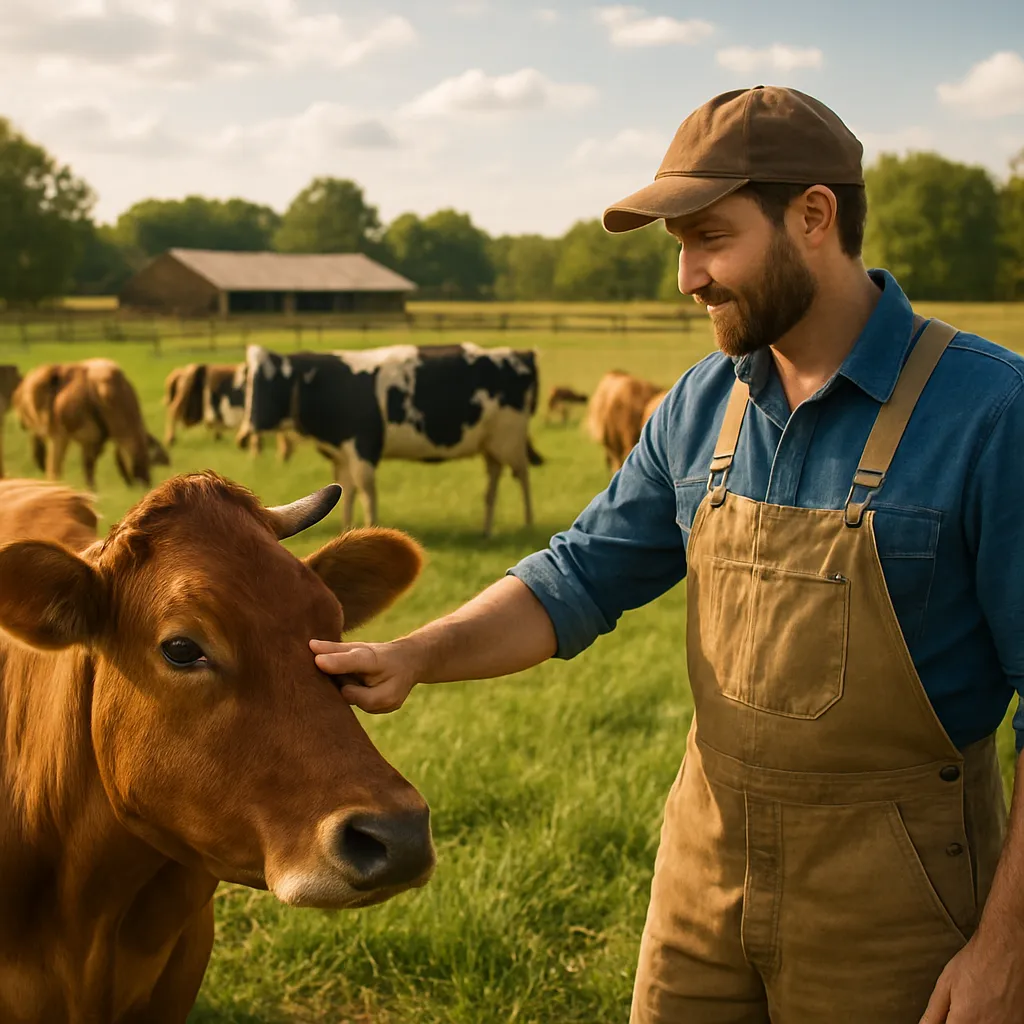
Ethical animal husbandry stands at the heart of truly sustainable agriculture, combining respect for living creatures with long-term productivity. By treating livestock with compassion and responsibility, farmers safeguard animal welfare, enhance soil health, and protect biodiversity. This approach builds resilient food systems that benefit communities, the environment, and future generations.
Foundation of Ethical Animal Husbandry
Principles of Responsible Farming
Adhering to a clear set of values is essential. Farmers who prioritize integrity maintain transparent records, ensure humane handling, and commit to continuous learning. Ethical husbandry means:
- Providing animals with adequate space, fresh water, and balanced nutrition.
- Minimizing stress through calm handling and predictable routines.
- Upholding health standards by routine veterinary check-ups and preventive care.
Role of the Farmer as a Steward
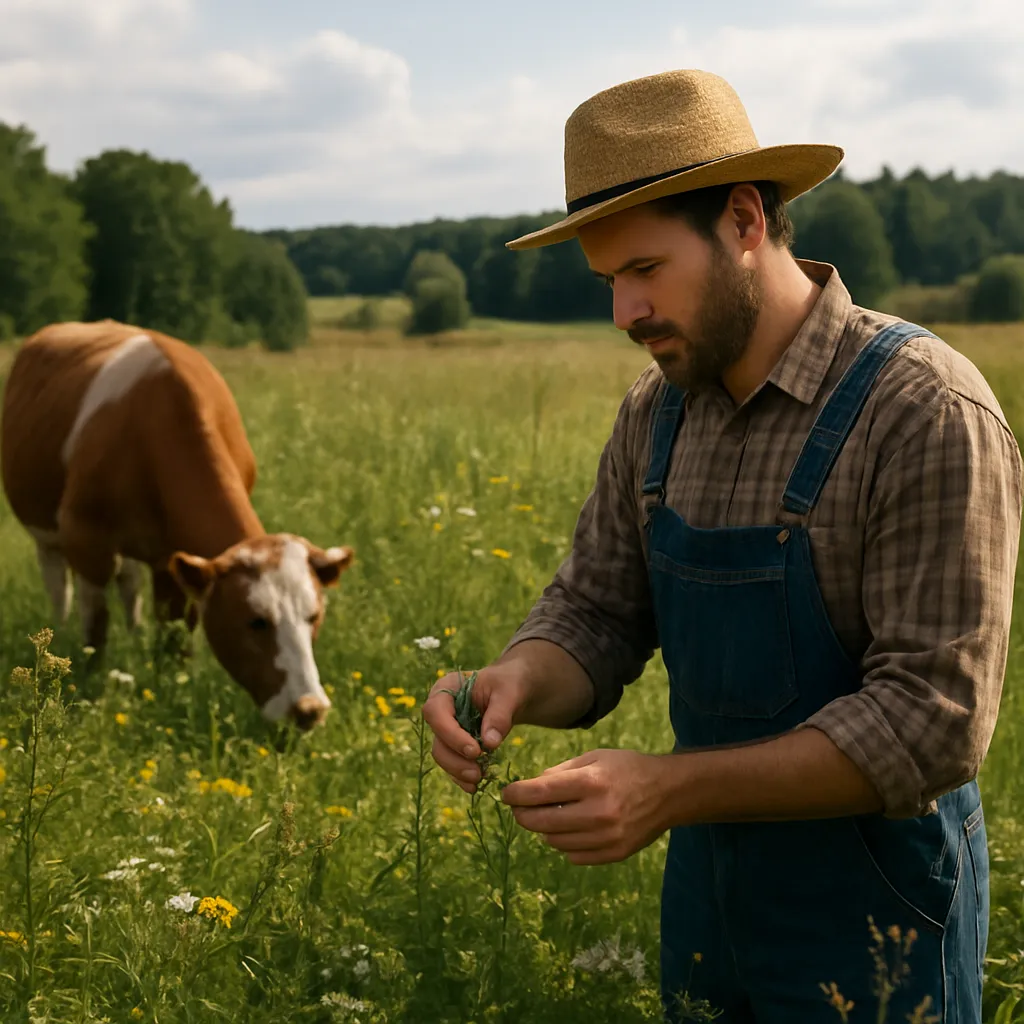
Beyond production, the farmer acts as a guardian of the ecosystem and its inhabitants. This stewardship entails rotating pastures to avoid overgrazing, managing manure responsibly, and preserving natural habitats for wildlife. When livestock roam freely, they stimulate soil robust enough to support cover crops and reduce erosion.
Implementing Best Practices on the Farm
Housing and Comfort Strategies
Well-designed shelters regulate temperature and airflow. Simple adjustments can make a significant impact:
- Insulate barns to prevent heat loss in winter and reduce heat stress in summer.
- Use deep bedding systems that absorb moisture and turn into valuable compost.
- Install soft flooring or rubber mats in high-traffic zones to prevent hoof issues.
Enrichment and Natural Behaviors
Providing environmental enrichment fosters healthy development and reduces boredom-related behaviors. Examples include:
- Foraging materials or puzzle feeders to stimulate mental activity.
- Climbing structures or wallows for pigs to express innate instincts.
- Dust baths for poultry to maintain feather condition and reduce parasites.
Health Management and Preventive Care
Proactive healthcare reduces disease outbreaks and improves overall resilience. Key measures:
- Regular vaccination schedules tailored to regional risks.
- Frequent foot inspections to catch lameness early.
- Quarantine protocols for new or returning animals.
Environmental and Economic Advantages
Boosting Biodiversity and Soil Health
Rotational grazing and mixed-species pastures enhance plant diversity and support beneficial insects. Over time, soil structure improves, increasing water retention and reducing chemical fertilizer dependency. Such methods nurture a balanced biodiversity that underpins robust yields.
Cost Savings and Market Opportunities
Although initial investments in welfare-oriented infrastructure may be higher, farmers often recoup costs through:
- Lower veterinary bills due to fewer illnesses.
- Premium prices from consumers seeking ethically produced meat and dairy.
- Reduced feed waste under precision feeding systems.
Branding products with clear animal welfare standards can open access to niche markets and promote long-term consumer trust.
Leveraging Technology and Innovation
Precision Livestock Farming
Advances in sensors and data analytics allow real-time monitoring of animal health, behavior, and environmental conditions. Farmers can track body temperatures, activity levels, and feed intake to detect early signs of distress and optimize resource use.
Alternative Feeds and Circular Systems
Innovations in feed processing harness by-products from brewing, food waste, and algae cultivation. Such sustainable inputs reduce reliance on conventional grains and lower the farm’s carbon footprint. Integrating vermicomposting systems further transforms organic waste into nutrient-rich soil amendments.
Transparent Certification and Consumer Engagement
Blockchain and QR-code platforms provide verifiable records of farm practices. By inviting consumers to scan product labels, farmers demonstrate their commitment to animal welfare and environmental stewardship. This transparency fosters a direct connection between producers and end-users.
Building a Resilient Future
Ethical animal husbandry is more than a set of practices; it is a mindset that values life, uplifts communities, and nurtures the planet. By combining time-tested methods with modern technology, farmers can create resilient systems that endure economic fluctuations and climatic challenges. Embracing these principles ensures a legacy of abundance grounded in respect, compassion, and innovation.