Agriculture is undergoing a remarkable transformation as farmers and researchers blend age-old practices with cutting-edge tools. Embracing both modern devices and time-tested wisdom, this field is redefining the very essence of food production. From soil sensors that deliver real-time moisture updates to autonomous tractors navigating fields without human guidance, the fusion of tradition and technology is reshaping global food systems. In this exploration, you will discover practical tips, emerging trends, and inspiring examples that demonstrate how the next wave of farming can boost productivity, reduce waste, and nurture the land.
Embracing Precision Agriculture
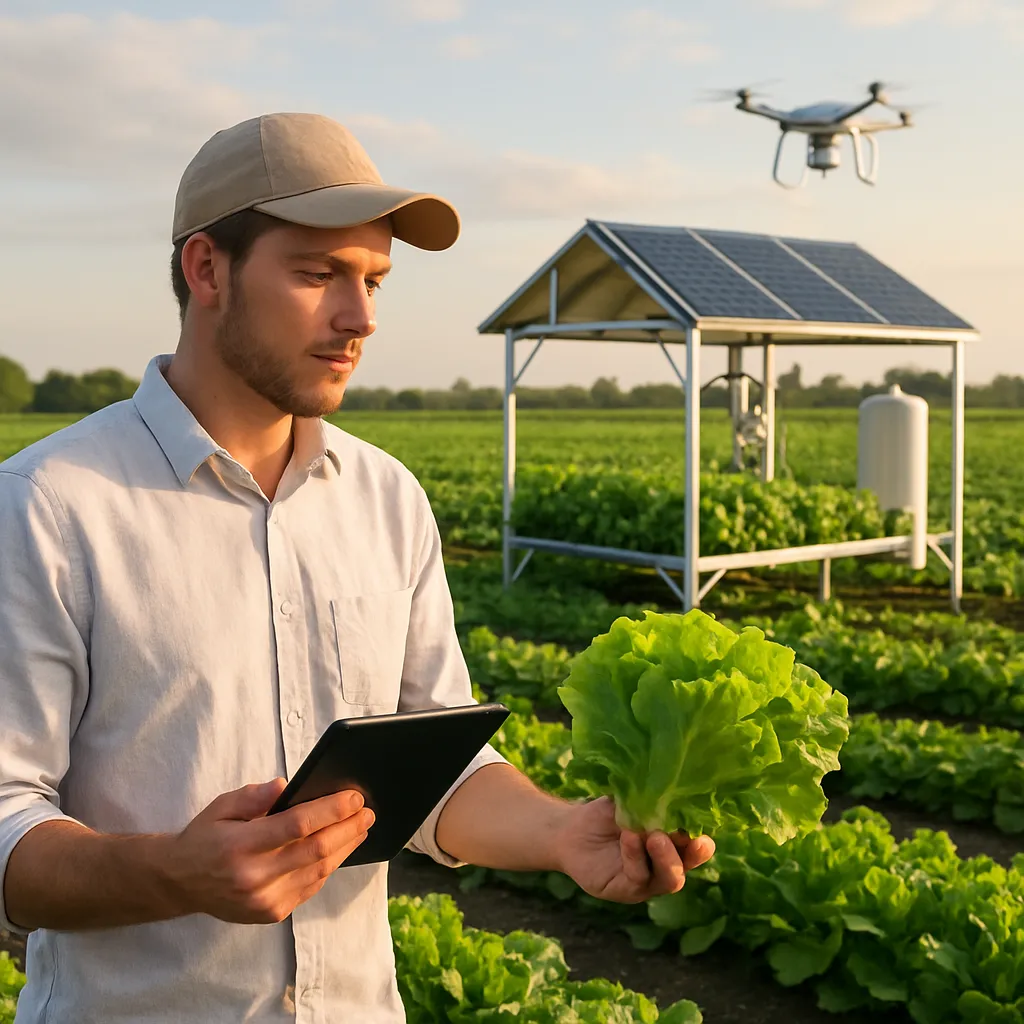
Precision agriculture focuses on small-scale adjustments that drive big returns. By integrating IoT sensors into irrigation lines and deploying satellite imagery, farmers gain an exact picture of crop health. Soil moisture probes can indicate when to water specific zones, reducing water use by up to 30 percent. Variable rate technology (VRT) allows machinery to apply fertilizer or seed only where needed, improving efficiency and cutting input costs. This targeted approach also minimizes environmental impact, ensuring healthier ecosystems over time.
Practical tips for adopting precision methods:
- Calibrate soil sensors annually to maintain accurate readings.
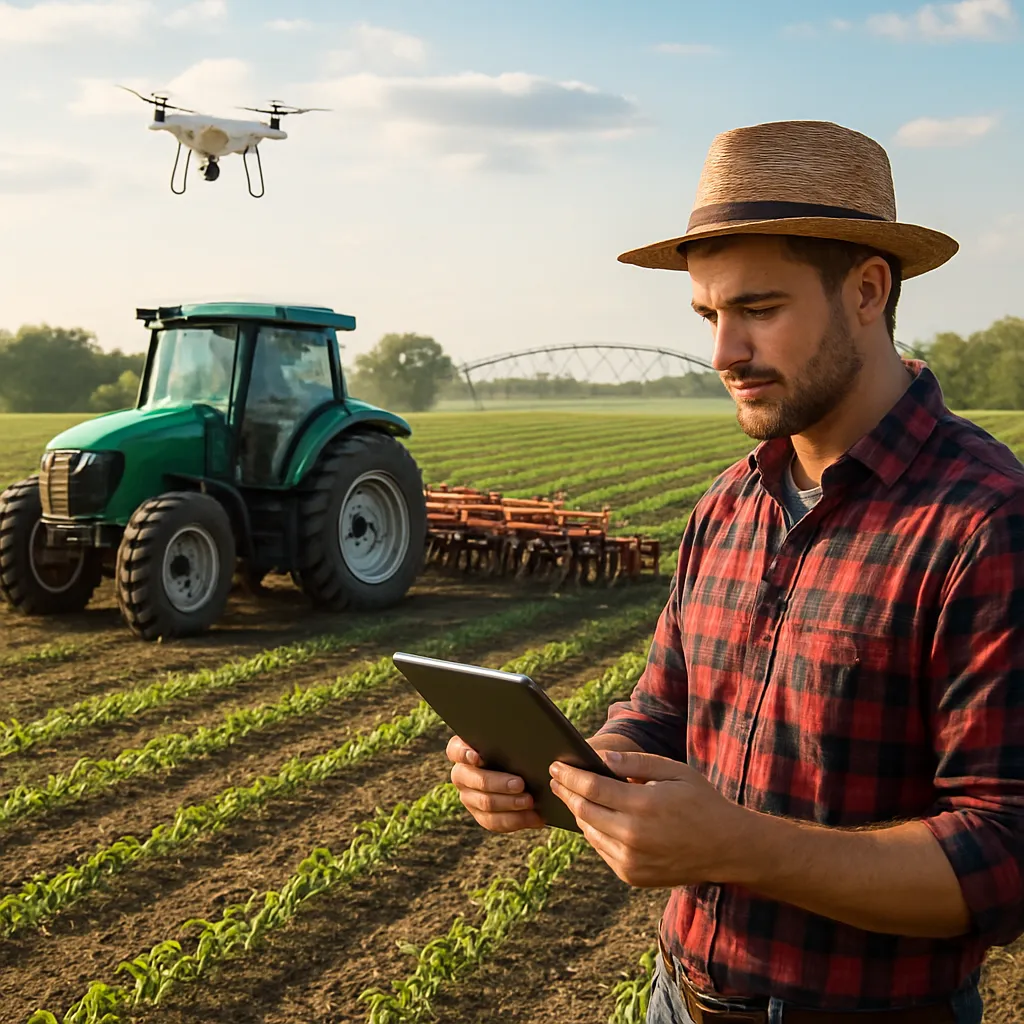
- Use drone surveys before and after planting to spot stressed areas early.
- Invest in modular attachments for tractors to enable future upgrades.
- Train staff on interpreting geospatial maps via user-friendly apps.
Embracing this level of detail makes every drop of water, every granule of fertilizer, and every seed count, enhancing overall field performance and maximizing yield.
Integrating Automation and Robotics
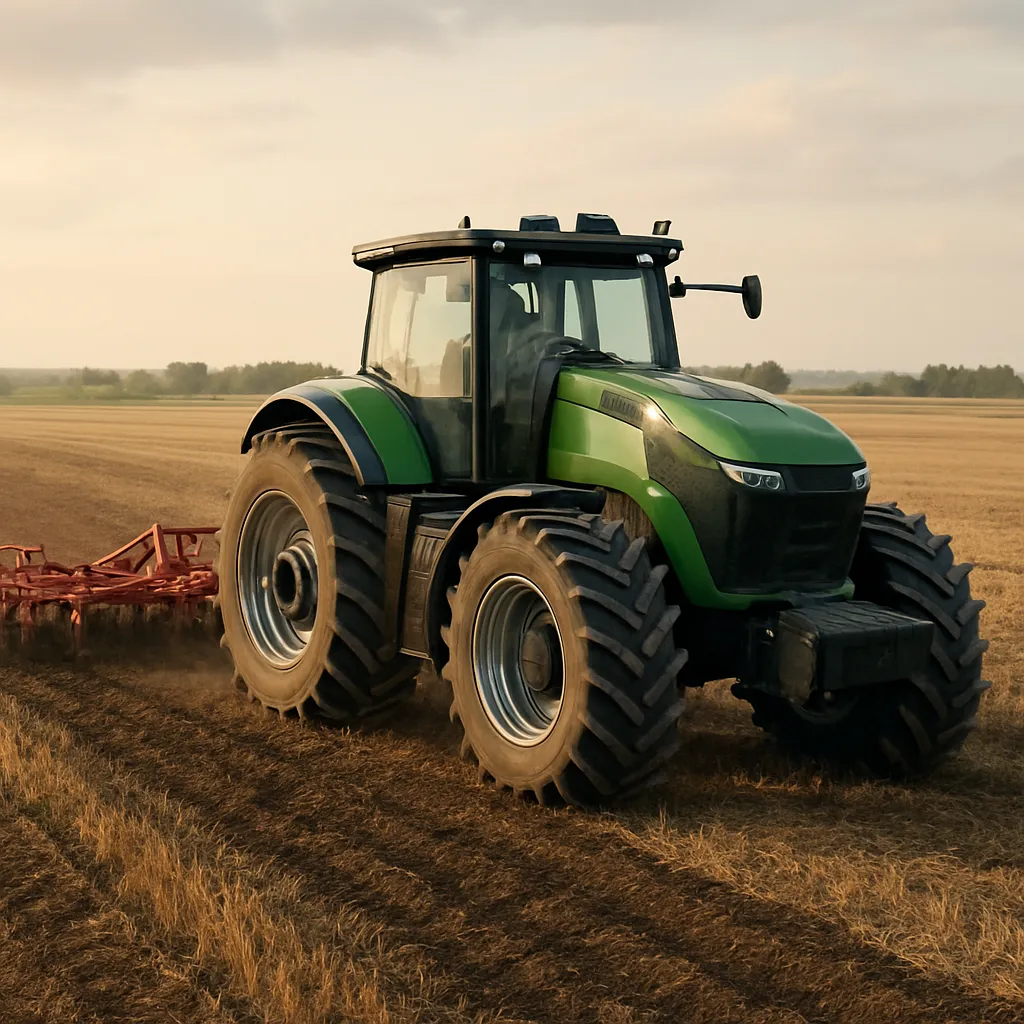
Automation has transcended factory floors and is now firmly established in the field. Autonomous tractors navigate hectares of land using GPS and onboard sensors, while self-driving harvesters optimize picking speed and reduce labor demands. Robotics platforms can mechanically weed between rows, eliminating herbicide reliance and protecting beneficial insects. Meanwhile, agri-robots fitted with multispectral cameras identify weeds or nutrient deficiencies on the go.
Pathways to Implementation
- Start with pilot plots to test automated equipment under local conditions.
- Partner with technology providers offering on-site training for crew members.
- Monitor performance metrics to validate return on investment before scaling up.
By integrating these machines, farms boost consistency, limit human error, and open opportunities to reassign workers to higher-value activities such as crop planning or quality control.
Sustainable Practices for Future Farms
Marrying new gadgets with soil-friendly methods achieves a balanced approach to farming. Cover cropping, crop rotation, and integrated pest management safeguard long-term sustainability while maintaining high productivity. Biomass from cover crops enriches organic matter, improving soil structure and water retention. Coupled with precision application of inputs, these techniques reduce runoff, protect waterways, and enhance biodiversity.
Key tactics for sustainable success:
- Introduce legumes in rotation to fix nitrogen naturally.
- Use compost tea sprayers to deliver microbial life directly to foliage.
- Install rainwater catchment systems for irrigation makeup.
- Implement buffer strips and hedgerows to support pollinators.
These strategies, anchored in ecological principles, ensure farmland remains productive for generations, supporting both people and planet.
Digital Tools and Data Management
Farm management software has become indispensable for modern operations. Cloud-based platforms aggregate weather forecasts, equipment maintenance logs, and market prices in one dashboard. This access to real-time information supports informed decision-making and rapid adjustments.
Leveraging data analytics empowers growers to:
- Forecast optimal planting windows based on historical climate data.
- Identify crop varieties with proven performance under regional stress conditions.
- Track inventory levels of seeds, fertilizers, and spare parts.
- Analyze financial records for cost-benefit insights per field or crop.
Smartphone apps now deliver alerts for disease outbreaks, help scouts log field observations, and even control greenhouse climates remotely, streamlining workflows and enhancing operational agility.
Bridging Tradition and Technology
While futuristic tools often draw attention, farmer knowledge passed down through generations remains invaluable. Seasoned growers understand local soil idiosyncrasies, weather patterns, and crop characteristics that no algorithm can fully replicate. Blending that indigenous expertise with high-tech instruments creates resilient, adaptive systems.
Best practices for this integration include:
- Hosting regular forums where elders share crop lore alongside technology demonstrations.
- Documenting traditional seed varieties in digital seed banks for breeding programs.
- Encouraging intergenerational teams, pairing young technicians with veteran farmers.
This fusion honors cultural heritage while embracing innovation, yielding farms that are both tech-savvy and community-rooted.
Financing and Adoption Strategies
Transitioning to a smart farm often requires capital investments. However, various financing models—such as equipment leasing, government grants, and collaborative cooperatives—can reduce upfront costs. Public–private partnerships may provide discounted sensors or shared research services, lowering barriers for smallholders.
Steps to secure funding:
- Develop a clear business plan highlighting projected gains in efficiency and cost savings.
- Engage local agricultural extension services to identify subsidy programs.
- Collaborate with neighboring farms to form purchasing blocs for bulk discounts.
- Explore crowdfunding or agritech incubators for pilot project support.
By carefully aligning financial planning with adoption timelines, farmers can manage cash flow effectively and scale smart solutions at a comfortable pace.
Future Horizons
Rapid advances in sensor miniaturization, edge computing, and machine learning promise an even more connected farm landscape. We may soon see sensor networks that autonomously respond to emerging threats, seed coatings that release nutrients on demand, and digital twin simulations that forecast field scenarios with stunning accuracy.
Early adopters who embrace this unfolding era stand to gain a competitive edge, elevated resource stewardship, and renewed community engagement. As tradition and technology continue to meet, the future of farming will be more productive, more resilient, and more sustainable than ever before.