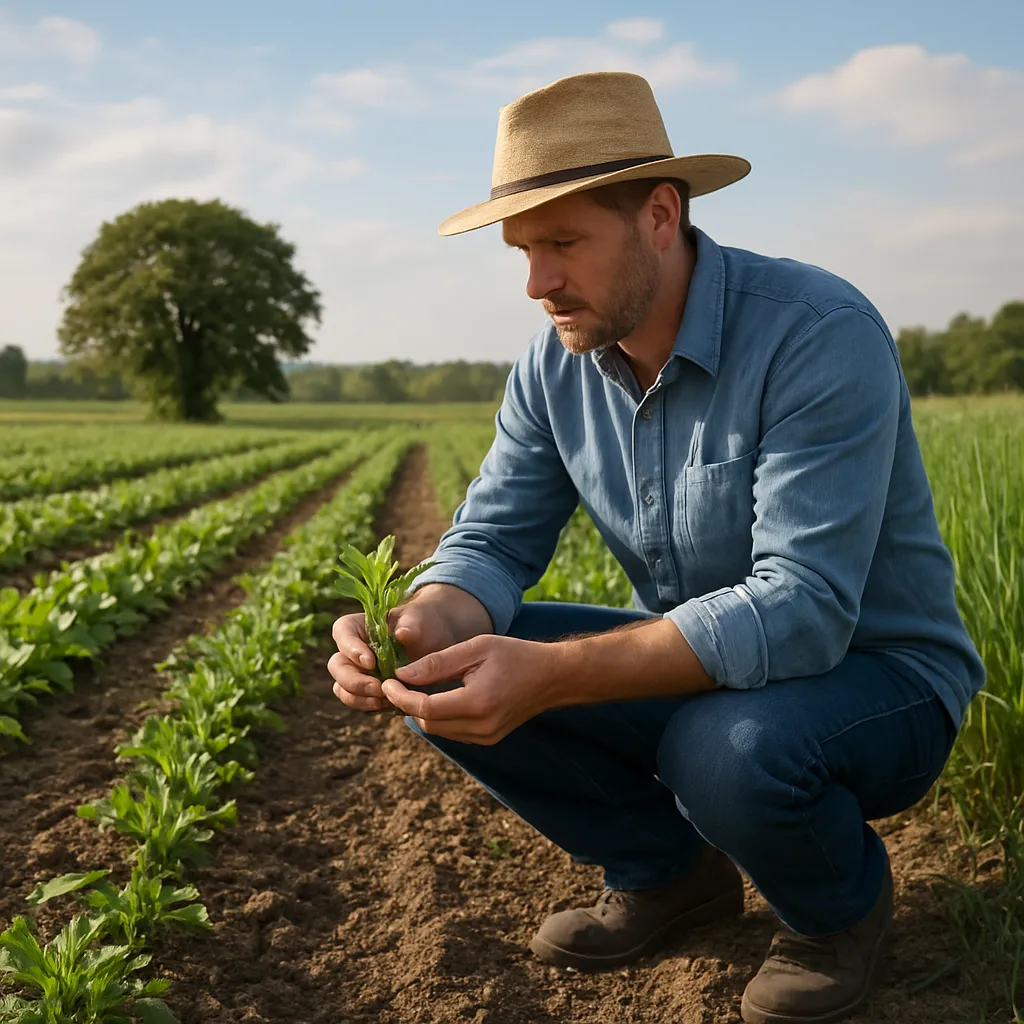
Sustainable agriculture is reshaping the way farmers, consumers, and policy makers view food production. By integrating ecological principles with **innovative** farming methods, it delivers not only environmental benefits but also significant economic gains. This article explores key components of sustainable agriculture, highlights its **financial** advantages, and offers actionable tips for those seeking to adopt more **resilient** farming practices.
Sustainable Practices and Ecological Foundations
The foundation of sustainable agriculture lies in promoting soil vitality, conserving water, and enhancing ecosystem functions. Core practices include:
- Crop rotation: Alternating plant families to break pest cycles and improve nutrient balance.
- Cover cropping: Planting legumes or grasses to prevent erosion, boost organic matter, and fix nitrogen.
- Reduced tillage: Minimizing soil disturbance to preserve structure, retain moisture, and protect microbial life.
- Integrated pest management: Combining biological controls, habitat manipulation, and selective use of chemicals to manage pests.
- Agroforestry: Integrating trees with crops or livestock to enhance biodiversity and sequester carbon.
Each technique contributes to **soil health**, improves **biodiversity**, and lowers reliance on synthetic inputs. As a result, farm systems become more **efficient**, productive, and well-equipped to withstand environmental stressors.
Economic Advantages of Sustainable Approaches
Adopting sustainable practices yields multiple **financial** benefits for farmers and rural communities:
- Reduced input costs: Less spending on chemical fertilizers, pesticides, and irrigation due to natural nutrient cycling and water conservation.
- Improved yields: Healthy soils and diversified cropping systems often result in more stable and sometimes higher output.
- Risk mitigation: Diverse farms are less vulnerable to market swings, disease outbreaks, and extreme weather events.
- Market premiums: Consumers increasingly pay a premium for organic, **eco-friendly**, and locally sourced produce.
- Long-term asset value: Land managed sustainably retains fertility and capital value over generations.
Data from numerous case studies reveals that small-to-medium farms practicing sustainable methods can achieve up to 20% lower operational costs while maintaining or boosting **profitability**. Government incentives and certifications further enhance returns by providing subsidies and opening new market opportunities.
Implementation Strategies for Farmers
Transitioning to sustainable agriculture demands careful planning and incremental changes. Recommended strategies include:
1. Conducting Soil and Water Assessments
Begin with a comprehensive analysis of soil properties and water availability. Testing for pH levels, nutrient content, and organic matter informs decisions about cover crops, amendments, and irrigation scheduling.
2. Developing a Crop Plan
Design rotations that alternate cereals, legumes, and root vegetables. Sequence high-nutrient-demand crops with those that restore fertility. This plan should align with regional climate conditions and market demand.
3. Integrating Livestock
Where feasible, integrate grazing animals to recycle on-farm biomass, enhance manure-based fertility, and diversify income streams through meat, dairy, or wool production.
4. Utilizing Technology
Precision agriculture tools—such as GPS-guided machinery, drones, and remote sensors—enable targeted input application, reducing waste and optimizing **resource efficiency**.
5. Building Community Networks
Forming cooperatives or producer groups fosters knowledge exchange, bulk purchasing of inputs, and joint marketing initiatives that secure better prices.
Practical Agriculture Tips for Sustainable Success
Farmers and gardeners can adopt the following tips to enhance their operation’s **resilience** and productivity:
- Start small: Pilot a new cover crop or reduced tillage practice on a fraction of your land before scaling up.
- Monitor closely: Keep detailed records of yields, input costs, and soil test results to measure improvements over time.
- Invest in compost: Homemade or locally sourced compost enriches soil biology and structure at minimal cost.
- Practice water-smart irrigation: Drip systems and soil moisture sensors reduce water waste and prevent crop stress.
- Encourage beneficial insects: Plant flowering hedgerows or insectary strips to support natural predators of pests.
- Seek certification: Organic, Fair Trade, or Rainforest Alliance labels can unlock premium markets and justify higher prices.
- Educate consumers: Use farm tours, social media, and direct sales to share your sustainable story and build brand loyalty.
- Rotate equipment: Regular maintenance and upgrading to energy-efficient machinery cuts fuel costs and emissions.
- Leverage government programs: Apply for grants, technical assistance, and low-interest loans geared toward conservation practices.
- Stay informed: Attend workshops, webinars, and demonstration farms to learn the latest research and innovations.
By embracing these **proactive** measures, agricultural operations can reduce environmental impact while strengthening their bottom line. This synergy between ecology and economy underscores why sustainable agriculture represents not just a trend, but a **long-term** solution for global food security and rural prosperity.