Healthy soil is the foundation of robust agriculture and the key to producing truly nutrient-dense food. By fostering a thriving ecosystem beneath the surface, farmers can harness the power of natural processes to enhance crop quality, increase resilience against pests and drought, and improve long-term productivity. This article explores the intricate relationship between the ground we cultivate and the bounty we harvest, offering practical insights into how to unlock the full potential of your fields.
Understanding Soil Composition and Structure
The Matrix of Life
At its core, soil is a complex mixture of minerals, organic matter, water, air, and countless living organisms. The proportion of these components determines how well the soil can retain moisture, supply plant roots with essential nutrients, and support a diverse community of microorganisms. A well-structured soil has stable aggregates, meaning particles bind into crumb-like clusters that improve aeration and water infiltration.
Key Physical Properties
Three main physical characteristics influence soil health:
- Texture: The ratio of sand, silt, and clay affects drainage and root penetration. Sandy soils drain quickly but hold fewer nutrients, while clay soils retain water but may become compacted.
- Structure: Good aggregation prevents erosion and promotes root growth. Practices such as reduced tillage help preserve natural soil architecture.
- Porosity: The space between particles allows air exchange and water movement. Adequate porosity supports aerobic microorganisms that decompose organic matter into plant-available forms.
Nutrient Cycling and Management
The Role of Organic Matter
Organic matter, including crop residues, manures, and compost, is a reservoir of nutrients and a catalyst for soil life. As it decomposes, it releases nitrogen, phosphorus, potassium, and trace elements essential for plant growth. Moreover, it enhances fertility by improving water-holding capacity and aggregate stability.
Harnessing Beneficial Microbes
Beneficial microorganisms such as mycorrhizal fungi and nitrogen-fixing bacteria form symbiotic relationships with plant roots. Mycorrhizae extend the root’s reach, increasing uptake of phosphorus and other immobile nutrients. Nitrogen-fixers convert atmospheric N₂ into ammonia, reducing the need for synthetic fertilizers.
Balancing pH and Nutrient Availability
Soil pH directly affects nutrient solubility. Most crops thrive in a slightly acidic to neutral range (pH 6–7). Outside this window, vital nutrients may become unavailable or toxic. Regular testing and amendments—such as lime to raise pH or sulfur to lower it—ensure an optimal chemical environment for plants.
Techniques to Build and Maintain Soil Health
Crop Rotation and Diversity
Introducing a variety of crops over time disrupts pest and disease cycles, improves biodiversity, and enhances soil structure. Deep-rooted species like alfalfa break up compacted layers, while legumes enrich soil nitrogen levels. A well-designed rotation can also reduce reliance on external inputs.
Cover Cropping Strategies
Cover crops protect bare soil from wind and water erosion, add organic matter, and suppress weeds. Fast-growing species such as rye or buckwheat can be terminated before seeding the main crop, while mixes including legumes offer dual benefits of nitrogen fixation and biomass production.
Composting and Organic Amendments
Regular application of high-quality compost feeds soil life and builds long-term fertility. Homegrown or purchased compost should be well-rotted to minimize weed seeds and pathogens. Other organic amendments—like biochar—can enhance nutrient retention and improve cation exchange capacity.
Practical Tips for Farmers and Gardeners
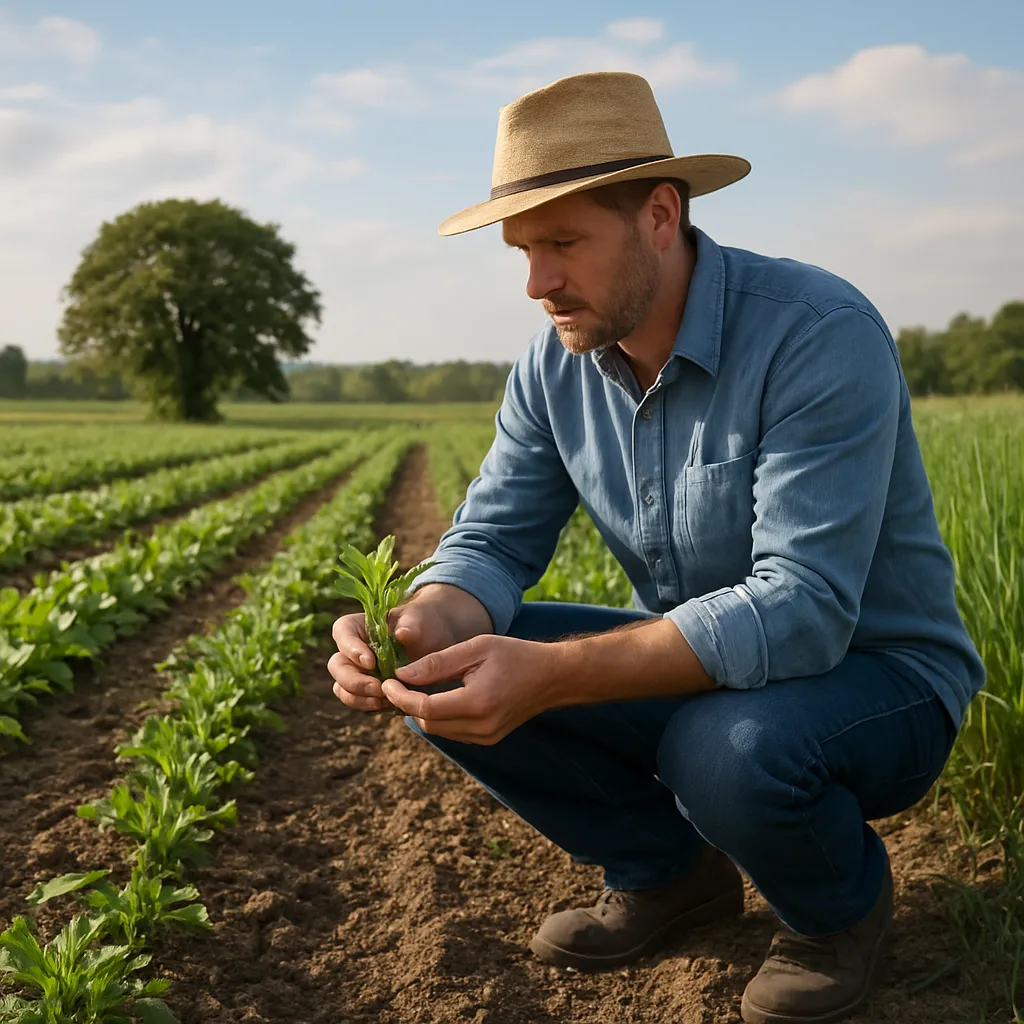
- Test soil annually to monitor changes in pH, nutrient levels, and organic matter content.
- Implement no-till or reduced-till systems to protect soil structure and preserve beneficial microorganisms.
- Use cover crops every season to maintain living roots in the ground, reducing erosion and capturing residual nutrients.
- Apply balanced fertilizers based on test results; avoid overapplication that can leach into waterways.
- Introduce diverse rotations, including legumes, grasses, brassicas, and broadleaf plants to boost biodiversity.
- Incorporate compost or well-aged manure at least once per year to feed soil life and build organic reserves.
- Monitor soil moisture with probes or simple hand tests; use mulches to conserve water and moderate soil temperature.
- Address compaction by subsoiling or growing deep-rooted cover crops to break hardpan layers.
- Mulch pathways and between rows to prevent surface erosion and supply gradual carbon input.
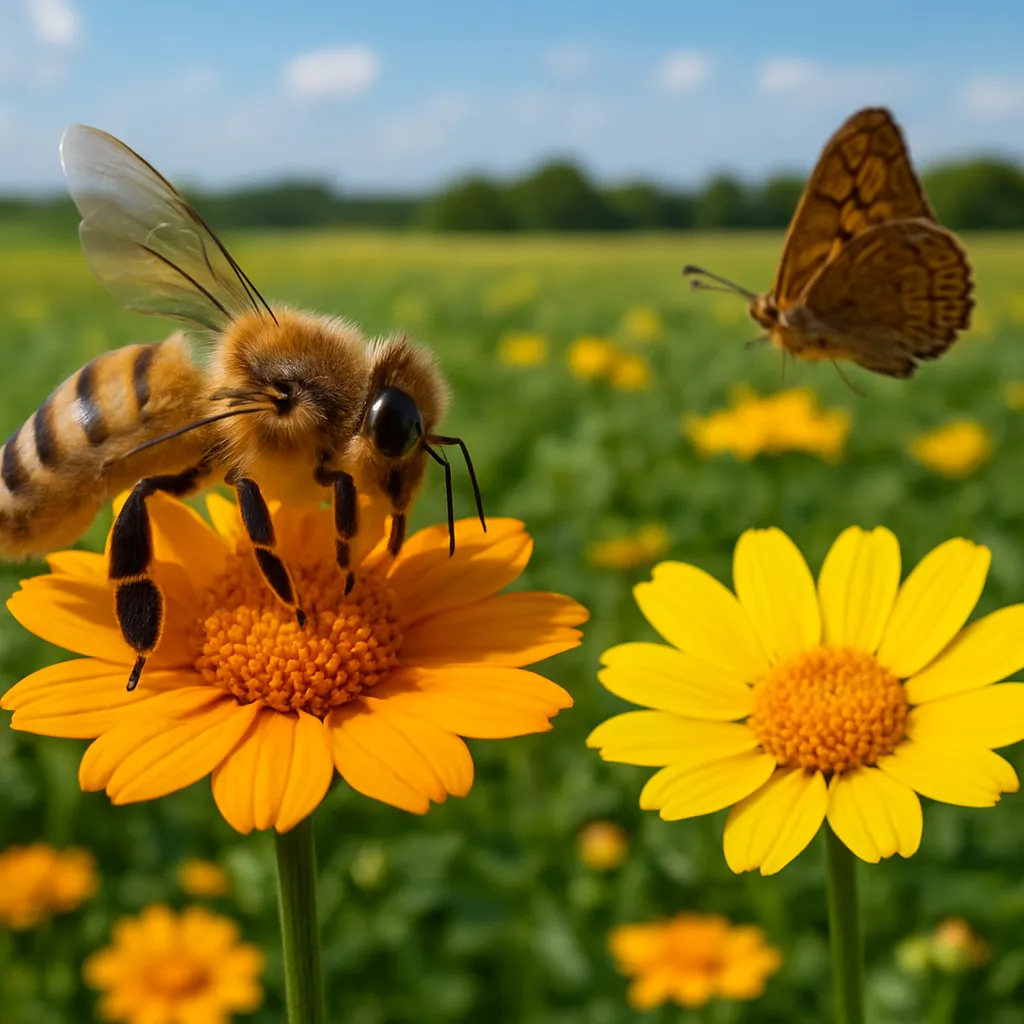
- Encourage beneficial insects and ground-dwelling predators by maintaining field margins with native flowers and grasses.
Long-Term Strategies for Sustainable Production
Integrating Agroforestry and Permaculture
Combining trees, shrubs, and perennial crops with annuals creates multilayered systems that mimic natural ecosystems. Agroforestry can sequester carbon, stabilize soils on slopes, and provide shade that reduces water loss. Permaculture design principles emphasize closed nutrient loops and energy efficiency.
Monitoring and Adaptive Management
Soil is dynamic; ongoing observation lets farmers respond to changes in climate, crop performance, and pest pressures. Recording data on yield, soil tests, and field observations builds knowledge to refine practices. Flexibility and willingness to experiment drive continuous improvement.
Community and Knowledge Sharing
Collaborative networks, farmer field schools, and cooperative extension programs spread innovative approaches to soil health. Sharing success stories and challenges fosters a culture of learning that benefits both smallholder gardens and large-scale operations.
Conclusion
By prioritizing soil health, producers can tap into the natural cycles that govern fertility, resilience, and crop quality. A holistic approach—combining physical, chemical, and biological strategies—ensures that fields remain productive for generations. Healthy soil is not just dirt; it is a vibrant living system that holds the promise of nutrient-rich food, environmental stewardship, and sustainable agriculture.