Global agricultural systems face unprecedented pressure as weather extremes, shifting seasons, and resource constraints intensify. Farmers, researchers, and policymakers are collaborating to chart a path toward a more sustainability-driven food system that thrives despite uncertainty. This article explores cutting-edge methods, practical tips, and emerging technologies shaping the future of climate-resilient agriculture.
Adapting Crops and Varieties
The selection and development of crop varieties suited to volatile conditions is critical. Plant breeders are harnessing advances in genomics to speed up the creation of cultivars with enhanced stress tolerance. Key strategies include:
- Gene editing for drought-tolerance: Tools like CRISPR allow scientists to tweak plant genomes, improving water-use efficiency and enabling crops to survive prolonged dry spells.
- Heat-resistant wheat and rice: Targeted breeding programs focus on proteins that stabilize cellular structures under high temperatures, reducing yield losses during heat waves.
- Salt-tolerant legumes: Coastal and irrigated lands facing salinity build-up benefit from beans and peas engineered to maintain metabolic function in brackish soils.
Farmers should maintain a portfolio of varieties—a practice known as diversification—to spread risk and ensure that at least some crops thrive under varying conditions.
Innovative Farming Techniques for Resilience
Modern cultivation systems are embracing holistic approaches that bolster ecosystem services, conserve resources, and increase overall resilience. Some of the most promising methods include:
- Conservation agriculture: Minimal soil disturbance, permanent soil cover with mulch or cover crops, and crop rotation enhance soil-health while reducing erosion.
- Agroforestry systems: Integrating trees with crops or livestock stabilizes microclimates, improves biodiversity, and sequesters carbon.
- Rainwater harvesting: Simple earthworks such as swales and berms capture surface runoff, recharging groundwater and providing supplemental irrigation.
- Smart-irrigation: Sensor-based drip or micro-sprinkler systems deliver water directly to the root zone, boosting water-use efficiency by up to 60 percent.
These practices often work synergistically. For example, trees in an agroforestry setup can shade drip-irrigated crops, reducing evaporation and lowering ambient temperatures.
Soil Management and Regenerative Practices
Maintaining or rebuilding soil-health is foundational for any climate-resilient strategy. Regenerative agriculture focuses on the living soil ecosystem, emphasizing organic matter and biological activity.
- Cover cropping: Growing non-harvested plants during fallow periods prevents erosion, suppresses weeds, and feeds soil microbes.
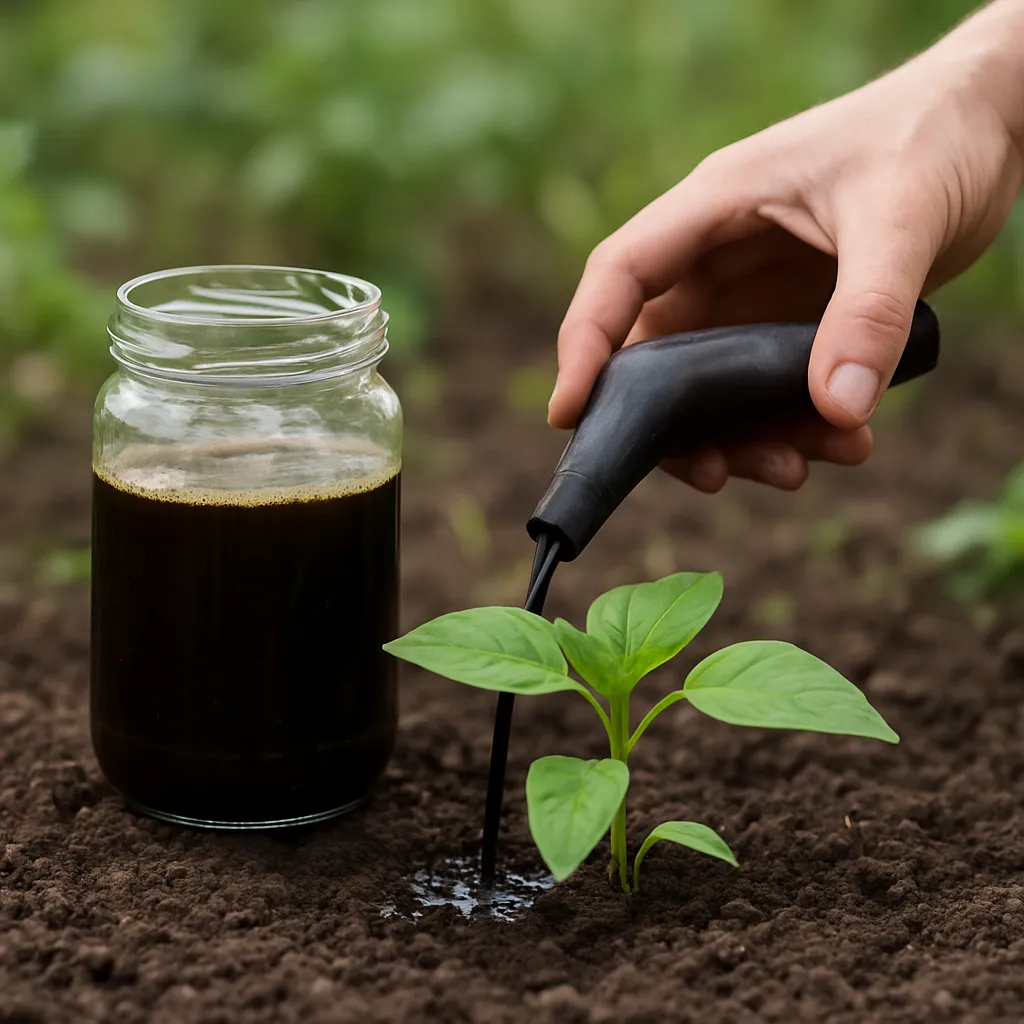
- Compost and biochar amendments: These materials boost nutrient retention, improve soil structure, and foster beneficial microbial communities.
- Rotational grazing: Moving livestock systematically across pastures allows vegetation to recover, enhances forage quality, and avoids soil compaction.
- Intercropping: Sowing complementary species—such as legumes with grasses—leverages natural nitrogen fixation and reduces susceptibility to pests.
By prioritizing living roots year-round and minimizing chemical disturbance, farmers can enhance water infiltration, nutrient cycling, and carbon storage in soils.
Precision Tools and Data-Driven Decisions
Emerging digital technologies empower producers to monitor fields in real time, predict stress events, and optimize inputs with unprecedented accuracy. Core innovations include:
- Remote sensing and drones: High-resolution imagery detects early signs of nutrient deficiency, pest outbreaks, or water stress, enabling targeted interventions.
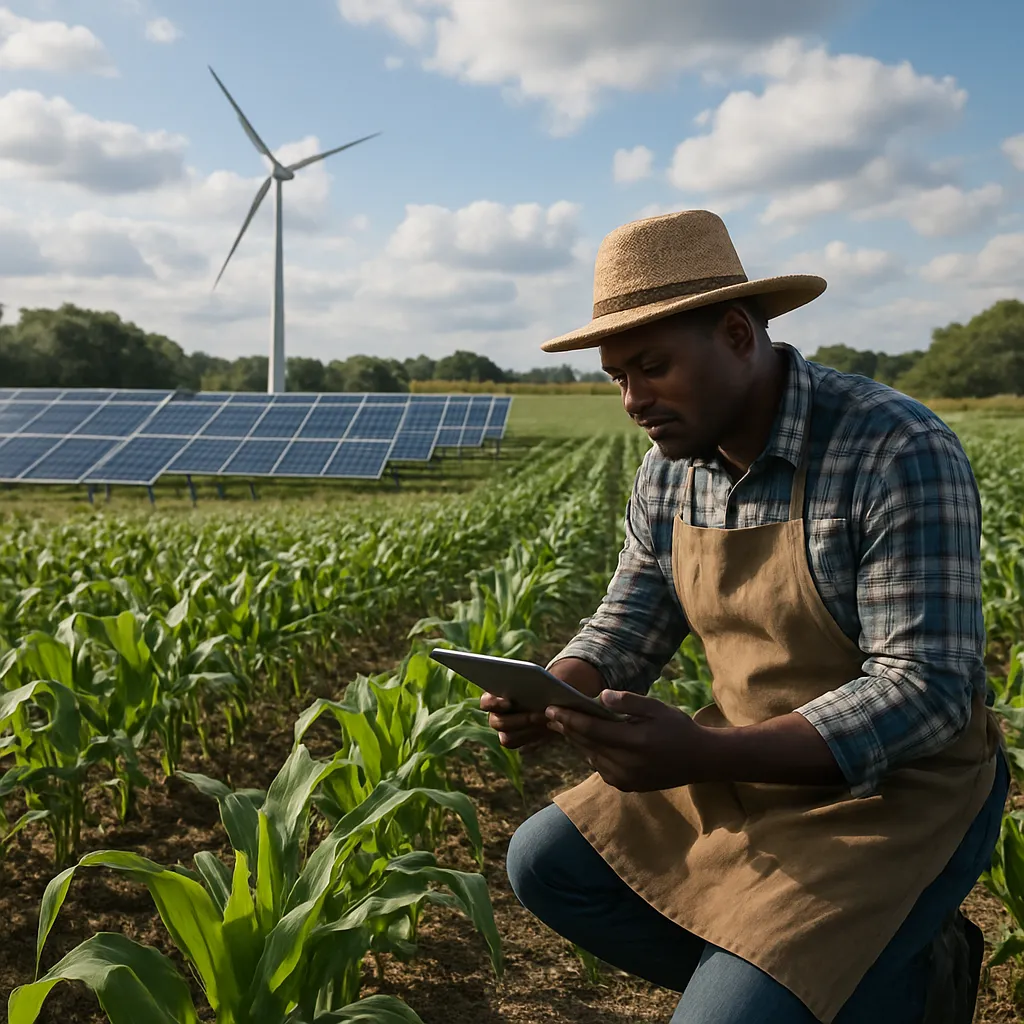
- Soil moisture and nutrient sensors: Placed across a field, these devices feed data to management platforms, guiding irrigation and fertilizer applications.
- Machine learning models: By analyzing historical yield data against weather and soil metrics, algorithms recommend planting dates, seeding rates, and harvest windows.
- Mobile apps and decision support systems: Farmers can access localized advisories on crop health, market prices, or weather forecasts directly from smartphones.
Such precision-farming tools reduce waste, lower production costs, and help maintain yields even under erratic climatic patterns.
Integrating Renewable Energy and Circular Systems
Energy demands on farms are growing, from powering irrigation pumps to processing and cooling harvested crops. Shifting to innovation in renewable energy sources offers both environmental and economic benefits.
- Solar-powered pumps: On-grid or off-grid photovoltaic systems can run drip networks, eliminating fuel costs and reducing greenhouse gas emissions.
- Biogas digesters: Converting livestock manure into methane for cooking or electricity closes nutrient loops and provides a reliable energy stream.
- Wind-solar hybrid microgrids: Combining multiple renewables with battery storage ensures continuous power for critical operations.
- Waste reutilization: Crop residues can be pelletized for heating or used as feedstock for bioenergy, creating a circular resource flow.
Adopting decentralized energy infrastructures strengthens farm autonomy and secures operations against rising fuel prices or supply disruptions.
Policy, Finance, and Community Collaboration
Technical advances alone cannot deliver climate-resilient agriculture without supportive frameworks and collaboration. Key enablers include:
- Incentive programs: Subsidies or payments for ecosystem services reward farmers who adopt sustainability-oriented practices like conservation tillage or reforestation.
- Crop insurance schemes: Index-based insurance tied to rainfall or temperature data can mitigate financial risks from extreme weather events.
- Cooperative networks: Farmer-led groups share machinery, bulk-purchase inputs, and exchange knowledge on successful adaptation strategies.
- Extension and training: Partnerships between universities, NGOs, and local agencies ensure timely training on new technologies and best practices.
Communities that pool resources and knowledge are better equipped to weather climate shocks and sustain agricultural productivity over the long term.
Preparing for Tomorrow’s Challenges
By weaving together genetic innovation, regenerative management, precision tools, renewable energy, and enabling policies, agricultural systems can transform into dynamic, resilience-focused enterprises. Embracing diversification—from multiple crop varieties to integrated livestock, trees, and energy systems—spreads risk and bolsters collective capacity to adapt. The convergence of digital data streams with time-tested ecological insights offers a powerful toolkit for securing food security in an era of rapid change.
Actionable Tips for Farmers
- Start small: Pilot a cover crop mix on a few acres before scaling regenerative practices across the whole farm.
- Leverage local knowledge: Engage veteran growers and indigenous communities to learn low-cost adaptation methods.
- Invest in sensors gradually: Even a couple of soil moisture probes can significantly improve irrigation efficiency.
- Form alliances: Join a farmer cooperative or regional consortium to share machinery and access group discounts.
- Stay informed: Subscribe to agricultural bulletins and weather warning services for timely decision support.