In modern agriculture, adopting natural pest control methods is vital for maintaining the health of crops and preserving environmental integrity. By integrating time-tested techniques and contemporary innovations, growers can foster resilient farming systems that prioritize soil vitality, ecosystem balance, and long-term productivity. This article explores practical strategies and useful tips designed to enhance pest management through organic practices.
Understanding Integrated Pest Management
Integrated Pest Management (IPM) is a holistic approach that combines multiple tactics to keep pest populations below harmful thresholds. Rather than relying solely on chemical interventions, IPM emphasizes prevention, monitoring, and targeted control. The core principles include:
- Regular field scouting and monitoring to identify pests early
- Establishing action thresholds to determine when intervention is necessary
- Applying biological and cultural methods before considering minimum-risk bio-pesticides
- Evaluating results to continually refine practices
Proper implementation of IPM enhances sustainability by reducing chemical inputs and promoting natural predator populations. Critical to success is thorough record-keeping of pest levels, weather conditions, and control measures taken. This data-driven feedback loop helps farmers refine timing and selection of control tactics.
Leveraging Beneficial Organisms
Essential allies in organic farming are beneficial insects, nematodes, fungi, and bacteria that prey on or compete with pests. Introducing or conserving these organisms can drastically cut pest damage and boost biodiversity in fields.
Predatory Insects and Parasitoids
Species such as ladybeetles, lacewings, and parasitic wasps target aphids, mites, caterpillars, and whiteflies. To encourage their presence:
- Grow flowering buffer strips with species like buckwheat, phacelia, or alyssum to supply nectar and pollen
- Avoid broad-spectrum organic sprays that can harm non-target insects
- Introduce commercially reared predatory wasps or mites when pest levels surge
Entomopathogenic Nematodes and Microbial Agents
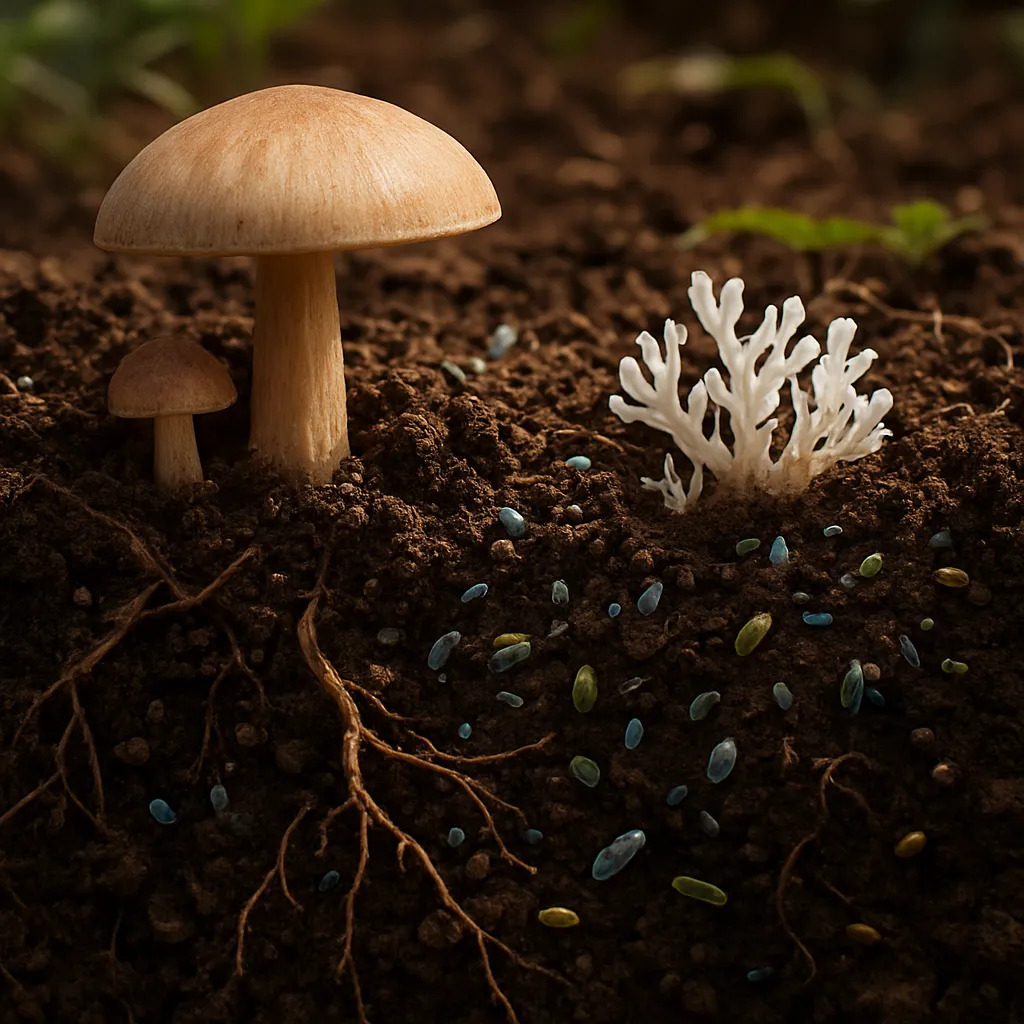
Soil-dwelling nematodes such as Steinernema and Heterorhabditis species infect grubs, weevils, and cutworms. Beneficial fungi (e.g., Beauveria bassiana) and bacteria (e.g., Bacillus thuringiensis) provide biological control against specific pests:
- Apply nematodes in moist soil during evening hours to improve survival
- Spray Bt formulations on foliage to target lepidopteran larvae
- Use fungal biopesticides in early morning or late afternoon to avoid UV degradation
Cultural and Mechanical Practices
Adopting preventive cultural methods reduces the likelihood of pest outbreaks. These practices can be low-cost and impactful when combined with other strategies.
Crop Rotation and Diversity
Rotating plant families year after year breaks pest life cycles and diminishes disease build-up. Intercropping and polycultures create complex plant communities that:
- Disrupt pest host-finding abilities
- Attract natural enemies with varied floral resources
- Improve soil structure and nutrient cycling, enhancing overall crop vigor
Sanitation and Plant Hygiene
Removing crop residues, infected leaves, and volunteer plants eliminates overwintering sites for pests and pathogens. Key measures include:
- Disinfecting tools and equipment to prevent cross-contamination
- Implementing weed control to remove alternative pest hosts
- Practicing minimal tillage in some systems to avoid bringing dormant pests to the surface
Physical Barriers and Traps
Simple barriers and traps offer direct protection without chemicals. Examples are:
- Row covers that shield seedlings from leafminers and flea beetles
- Sticky traps to capture flying pests like whiteflies and fungus gnats
- Mulches (plastic or organic) to prevent soil-borne pests and conserve moisture
Companion Planting and Botanical Extracts
Integrating specific plant species with crops can deter pests and attract beneficial insects. Companion planting taps into nature’s interplant communication, leveraging phytochemicals and aromatic compounds that pests avoid.
Examples of Effective Companions
- Marigolds release thiophenes which repel nematodes and some beetles
- Basil planted near tomatoes can deter thrips and aphids
- Garlic and chives emit sulfurous compounds harmful to many insect pests
Homemade Botanical Sprays
Gardeners can prepare low-toxicity sprays from locally available plants:
- Garlic-pepper infusion: crush garlic cloves and hot peppers in water, steep, then strain
- Neem oil extract: cold-pressed seed oil mixed with mild soap serves as a broad-spectrum repellent
- Pyrethrum from chrysanthemum flowers targets soft-bodied insects
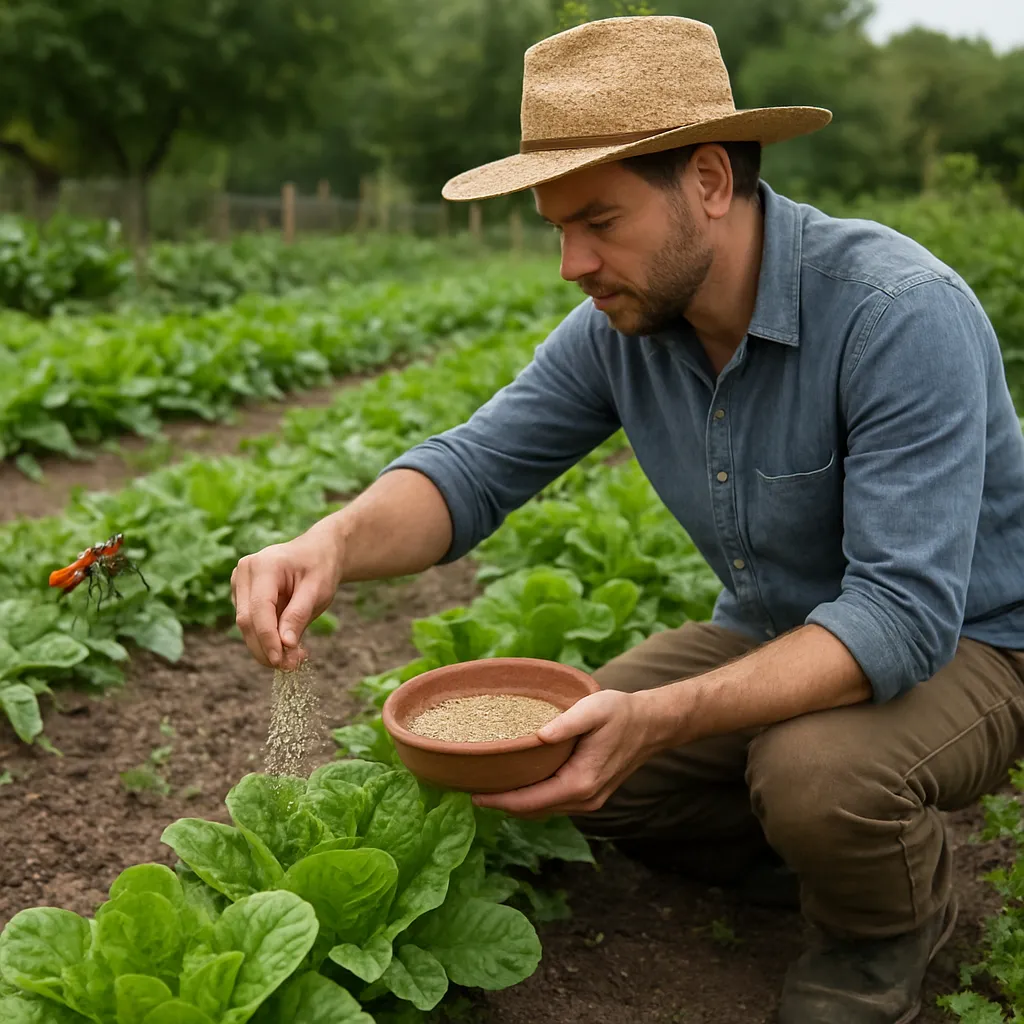
When using botanical extracts, always conduct small patch tests to ensure crop safety. Apply in the evening to protect bees and predatory insects.
Innovations and Future Directions
Advances in agritech are reshaping how organic farmers manage pests. Cutting-edge tools and research promise increased precision and efficiency.
- Drone monitoring with multispectral cameras detects pest hotspots early
- Automated release stations deploy beneficial insects at optimal times
- Soil microbiome engineering uses customized microbial consortia to suppress pathogens
- Gene editing of cover crops may enhance natural repellency while retaining organic certification
Collaborations between farmers, researchers, and extension services accelerate the adoption of these innovations. Sharing field trial results and best practices fosters community resilience and collective learning.
Practical Tips for Successful Organic Pest Management
- Maintain diverse habitats on the farm: hedgerows, ponds, and wildflower margins.
- Rotate biological control agents annually to avoid pest resistance.
- Record daily weather data: temperature and humidity influence pest and disease dynamics.
- Scout systematically: divided fields into grids for thorough inspection.
- Engage with local organic certification programs to stay updated on approved products.
- Educate farmworkers on identifying beneficial insects versus pests.
- Stay flexible: adapt your plan when new pest pressures emerge.
- Balance short-term interventions with long-term ecological enhancement.
- Invest in quality seed and planting material resistant to target pests.
- Regularly evaluate yield outcomes to measure pest management effectiveness.