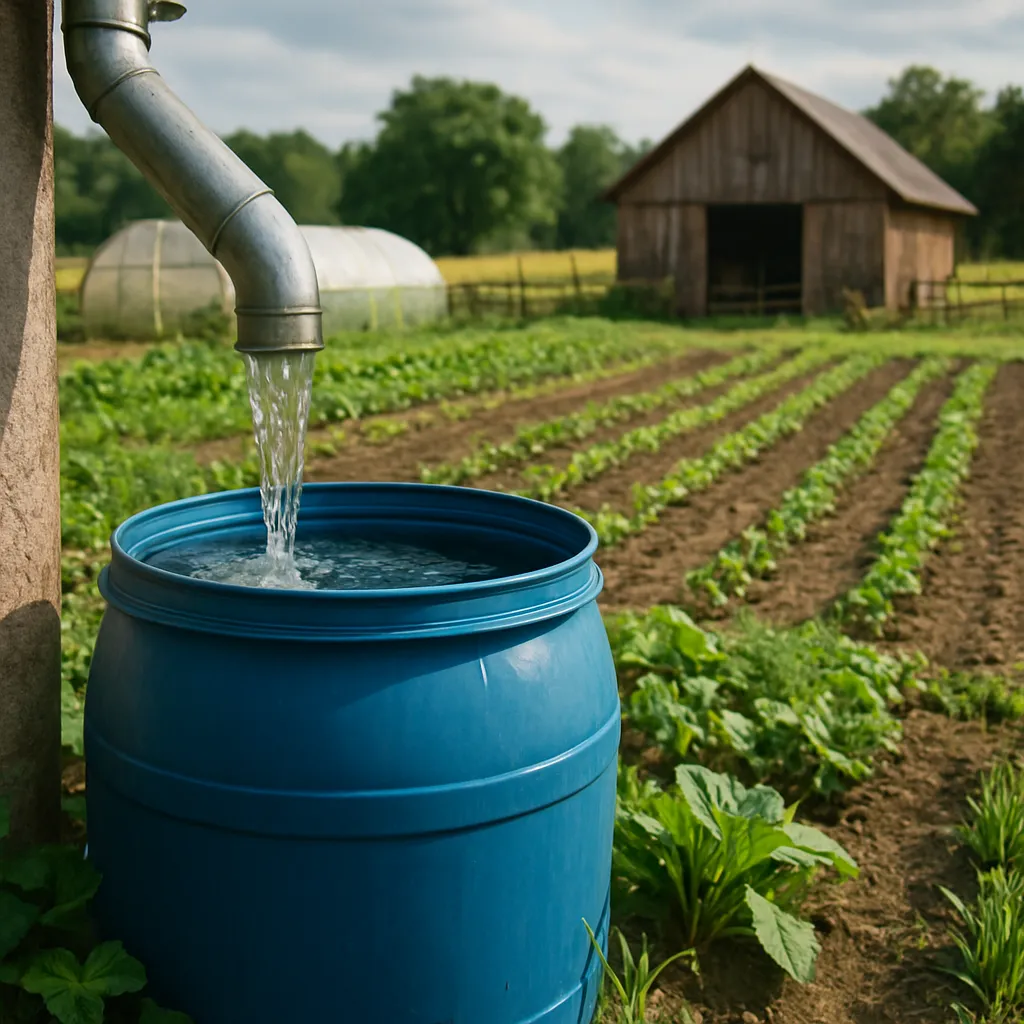
Harnessing the power of rainwater offers farmers a sustainable way to reduce water costs and enhance crop health. By integrating a well-planned harvesting system, growers can improve soil health, minimize runoff, and boost overall yield. This guide explains the essentials of capturing, storing, and using rainwater for eco-friendly farming.
Understanding Rainwater Harvesting Systems
Rainwater harvesting begins with collecting precipitation from surfaces like roofs, greenhouses, or specially designed catchment areas. The efficiency of this process hinges on selecting the right materials and layout.
Key Components
- Catchment Surface: A clean, sloped area (often a metal roof) that channels water.
- Gutters and Downspouts: Conduits directing water into storage tanks.
- First-Flush Diverter: A simple device that discards initial runoff carrying debris and contaminants.
- Filtration System: Screens, mesh, or sand filters to remove particulates.
- Storage Tank: Containers ranging from small barrels to large cisterns.
Properly integrating these elements creates a seamless path from rain to reservoir, cutting down on maintenance and ensuring water quality.
Designing and Installing a Rainwater Collection System
Design considerations revolve around climate, farm size, and intended use of collected water. Before construction, farmers must analyze annual rainfall data and roof surface area to estimate potential yields.
Calculating Potential Harvest
Use this simple formula:
- Catchment Area (m²) × Annual Rainfall (mm) × Runoff Coefficient = Harvest Volume (liters)
The runoff coefficient varies by surface: smooth metal roofs can reach 0.9, while rougher materials fall between 0.6 and 0.8.
Selecting Storage Solutions
Storage choices depend on budget, space, and intended longevity:
- Plastic Tanks: Lightweight, corrosion-resistant, affordable.
- Concrete Cisterns: Durable, stable temperature, higher upfront cost.
- Bladder Systems: Flexible, collapsible options for limited ground space.
Position tanks on solid, level ground to avoid tilting. Consider elevated stands to leverage gravity for irrigation.
Optimizing Usage for Eco-Friendly Farming
When implemented correctly, rainwater harvesting can drive conservation and resilience. Here are strategies to make the most of every drop.
Irrigation Techniques
- Drip Irrigation: Delivers water directly to plant roots, reducing evaporation and runoff.
- Subsurface Irrigation: Pipes installed beneath the soil surface improve water efficiency.
- Open-Channel Systems: Gravity-fed canals for orchards or larger fields.
Matching irrigation methods with crop types ensures you avoid overwatering and conserve stored resources.
Enhancing Soil and Plant Health
Rainwater is naturally soft, free of salts and chemicals found in many ground or municipal supplies. This purity supports:
- Nutrient Cycling: Microbial communities thrive in chemical-free water, breaking down organic matter.
- Improved Plant Uptake: Roots absorb nutrients more effectively without the interference of hard-water minerals.
- Reduced Soil Compaction: Gentle application methods prevent erosion and maintain soil structure.
Maintenance and Troubleshooting
Routine care extends the lifecycle of your rainwater harvesting system. Implement a seasonal checklist to keep components in top shape.
Regular Inspections
- Clean gutters and downspouts before rainy seasons to prevent blockages.
- Check filters monthly and replace or rinse media as needed.
- Monitor tank walls and fittings for leaks or cracks.
Addressing Common Issues
- Algae Growth: Shield tanks from sunlight and install fine mesh to block spores.
- Foul Odors: Flush tanks seasonally; add aeration or introduce non-toxic bacteria treatments.
- Pressure Drop: Inspect pump performance and clean intake screens.
Integrating Rainwater Harvesting in Farm Planning
Combining rainwater collection with broader farm goals reinforces sustainable practices. Consider these long-term strategies:
Crop Selection
- Choose drought-tolerant species that thrive on intermittent watering schedules.
- Rotate crops to balance water usage and improve soil retention.
Landscape Design
- Create swales and berms to direct overflow into recharge zones.
- Plant cover crops to reduce evaporation and shield soil from direct sun.
Integrating water-conscious design elements promotes drought resilience and reduces reliance on external supplies.
Economic and Environmental Benefits
Investing in rainwater harvesting yields measurable returns for both the wallet and the planet.
- Lower Water Bills: Offset municipal or well pump costs over time.
- Reduced Runoff Pollution: Minimize fertilizer and pesticide transport into waterways.
- Increased Property Value: Systems demonstrate commitment to sustainability and can improve resale appeal.
- Enhanced Ecosystem Services: Support local wildlife and groundwater recharge.
Farmers report up to a 30% reduction in overall water costs after integrating rainwater systems, making this approach a smart economic decision.
Future Innovations in Rainwater Farming
Emerging technologies promise even greater efficiency and automation:
- Smart Sensors: Monitor tank levels, water quality, and weather forecasts.
- AI-driven Pumps: Adjust flow rates for optimal irrigation based on real-time plant needs.
- Modular Tanks: Expand capacity easily as farm operations grow.
By staying informed about the latest tools, farmers can continuously refine their systems and stay at the forefront of conservation practices.