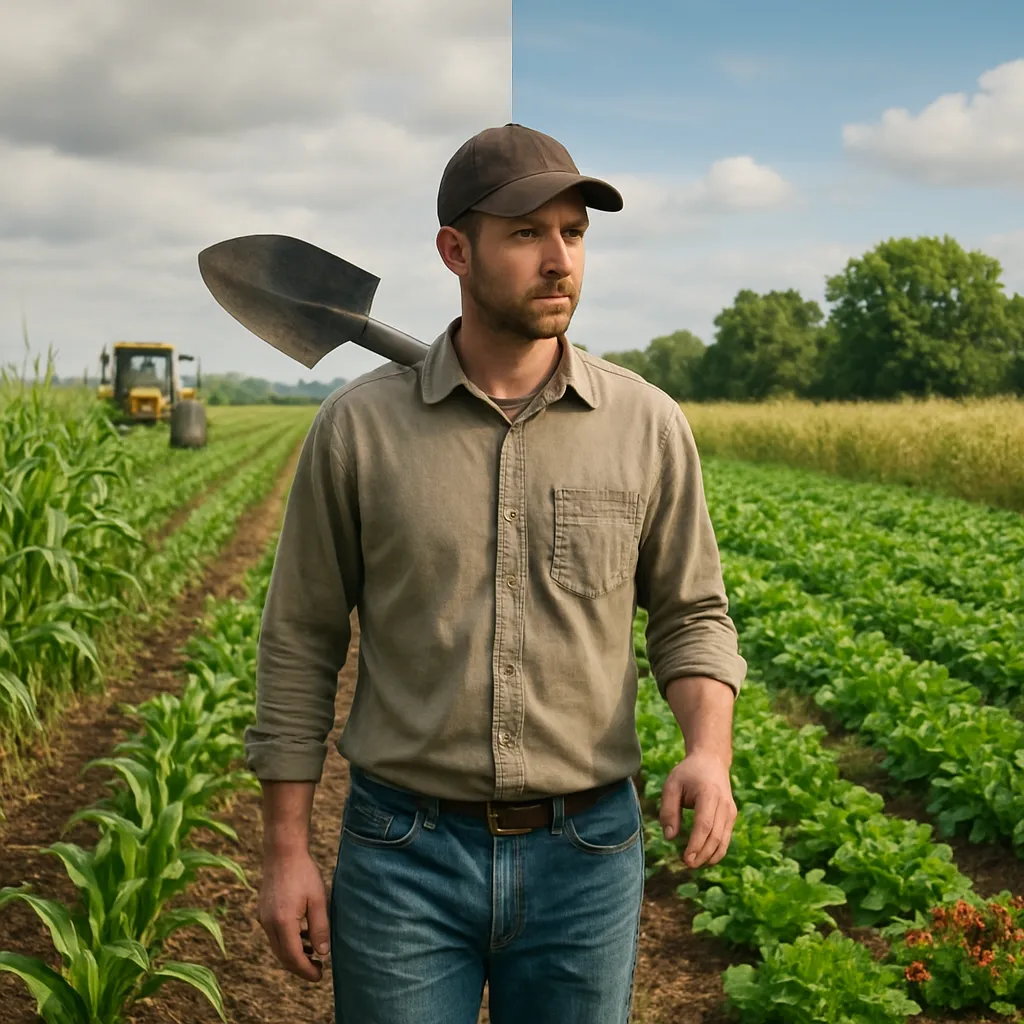
In the journey from conventional to organic farming, producers face many challenges and rewards. This article explores essential steps, practical advice, and key strategies to facilitate a successful transition. Whether you manage a small family farm or a larger operation, these insights will help guide you toward sustainable and profitable organic agriculture.
Understanding the Differences Between Conventional and Organic Systems
Making the shift to an organic system requires a mindset change as much as a technical overhaul. Conventional agriculture typically relies on synthetic fertilizers, herbicides, and pesticides to achieve high yields quickly. Organic farming, by contrast, emphasizes ecological relationships, natural processes, and input minimization. Before beginning, take stock of your existing practices, equipment, and long-term business goals.
Key Principles of Organic Farming
- Sustainability: Prioritize long-term health of ecosystems over short-term productivity boosts.
- Biodiversity: Cultivate a variety of crops, beneficial insects, pollinators, and soil organisms.
- Soil Health: Build living soil with high organic matter and robust microbial communities.
- Natural Inputs: Replace synthetic chemicals with approved organic amendments like compost and rock minerals.
Every decision in an organic system should be evaluated against these principles. For instance, if you currently apply a synthetic nitrogen source, investigate cover crops such as clover or vetch to biologically fix nitrogen instead. By aligning practices with core values—such as ecological balance and resource conservation—you establish a strong foundation for the rest of your transition plan.
Enhancing Soil Health and Fertility Management
Healthy, fertile soil is the engine of productive organic farming. Rather than treating soil as an inert medium to which nutrients are endlessly added, think of it as a dynamic living system that needs nurturing.
Baseline Soil Testing and Analysis
- Conduct regular soil tests to measure pH, macronutrients (N, P, K), secondary nutrients (Ca, Mg, S), and micronutrients (Fe, Mn, Zn, Cu).
- Assess soil texture, structure, water-holding capacity, and organic matter content.
- Evaluate soil biology by measuring microbial respiration rates, enzymatic activity, and earthworm populations.
- Use this data to create a detailed soil health report that guides amendment applications and crop selection.
Tracking these parameters over time helps you gauge the effectiveness of your organic amendments and cultural practices.
Organic Fertility Building
- Composting: Combine green (nitrogen-rich) and brown (carbon-rich) materials in a 1:1 to 1:3 ratio. Maintain moisture and aeration to support thermophilic microbes. Finished compost should smell earthy and reach temperatures above 55°C during active phases to kill weeds and pathogens.
- Green Manure and Cover Crops: Integrate legumes (e.g., field peas, hairy vetch) to fix atmospheric nitrogen. Use non-legumes (e.g., buckwheat, oats) to scavenge leftover nutrients and suppress weeds. Terminate cover crops before full bloom to optimize nutrient recycling and avoid seed set.
- Apply rock powders (rock phosphate, greensand, basalt) to supply trace minerals slowly over multiple seasons.
- Utilize animal manures only after proper composting to prevent nutrient leaching and pathogen risks.
These practices enhance soil structure, increase cation exchange capacity, and promote a thriving microbial community capable of mobilizing nutrients in sync with plant demand.
Pest and Weed Control Strategies
In organic systems, prevention and ecological harmony replace routine chemical applications. Developing a resilient farm ecosystem is key to minimizing pest and disease outbreaks.
Preventative and Cultural Controls
- Plan diverse crop rotations that interrupt pest life cycles. Rotate families such as Solanaceae, Brassicaceae, and Cucurbitaceae to reduce build-up of host-specific insects and diseases.
- Employ trap crops—fast-growing sacrificial plants that lure pests away from main crops.
- Practice timely tillage or flame weeding to manage seedlings of perennial weeds before they establish deep root systems.
- Maintain proper field hygiene: remove plant residues, sanitize tools, and quarantine new stock.
Biological and Mechanical Approaches
- Encourage beneficial insects and spiders by establishing flowering strips and insectary plantings. Species like alyssum, calendula, and dill attract predatory and parasitic insects that control aphids, caterpillars, and whiteflies.
- Apply approved biopesticides—products based on Bacillus thuringiensis (Bt), Beauveria bassiana, or neem oil—only when pest thresholds are exceeded.
- Use physical barriers such as row covers and netting to exclude flying pests and seed-eating birds.
- Implement mechanical weeding through wheel hoeing, string trimmers, or steam sterilization for high-value crops and nursery beds.
Combining multiple tactics in an integrated pest management (IPM) framework reduces reliance on any single control method, boosting overall system resilience.
Water Management and Conservation Techniques
Efficient use of water is critical in organic systems, where biological processes demand consistent moisture levels.
Advanced Irrigation Systems
- Install drip irrigation or micro-sprinklers with pressure regulators to deliver water directly to the root zone, reducing evaporation and runoff.
- Calibrate emitters and map field zones based on soil type and crop water requirements.
- Incorporate soil moisture sensors, tensiometers, or capacitance probes to schedule irrigation precisely.
Landscape-Level Water Conservation
- Create contour swales, terraces, and infiltration basins to capture and hold rainfall, recharging groundwater and reducing erosion.
- Plant windbreaks and shelterbelts to decrease wind speed and evaporation from topsoil.
- Use deep-rooted perennial species in agroforestry designs to cycle water from subsoil to surface and improve overall water balance.
By integrating these methods, organic farms can maintain optimal soil moisture, even during dry spells, while protecting surrounding watersheds from nutrient runoff.
Implementation, Documentation, and Certification
Achieving organic certification requires thorough planning, accurate records, and commitment to continuous improvement.
Organic System Plan (OSP)
- Develop a comprehensive OSP that outlines field history, crop sequences, seed and input sources, equipment cleaning protocols, and staff training procedures.
- Detail management practices for fertilization, pest control, and harvest operations.
- Update the plan annually to reflect changes, new crops, or modified practices.
Record-Keeping Best Practices
- Keep daily logs of planting and harvest dates, input applications, irrigation events, and any on-farm processing.
- Retain invoices, certificates, and product labels for all inputs to demonstrate compliance with organic standards.
- Ensure traceability from field to market by labeling bins, storage areas, and packaging clearly.
Inspection and Ongoing Compliance
- Schedule and prepare for annual inspections by an accredited certifier. Provide access to fields, storage facilities, and records.
- Address any non-conformities promptly by adjusting practices or updating documentation.
- Stay informed about evolving organic regulations at the national and international levels.
Completing the certification process unlocks premium markets and consumer trust, reinforcing the value of your commitment to transparency and ecological stewardship.
Marketing, Value-Added Products, and Business Resilience
Transitioning to organic can open lucrative markets but requires strategic branding and diversification.
Building a Strong Brand
- Emphasize your farm’s story—highlight the transition journey, commitment to biodiversity, and local community engagement.
- Develop clear, consistent labeling that meets organic standards and appeals to target demographics.
- Leverage social media, farm blogs, and newsletters to educate consumers about the benefits of organic produce.
Value-Added Opportunities
- Process raw fruits, vegetables, and herbs into jams, sauces, pickles, or dried goods to extend shelf life and increase profit margins.
- Offer agritourism experiences such as farm stays, workshops, or U-pick events that showcase organic practices.
- Partner with local chefs, retailers, and co-ops to supply specialty products or seasonal baskets.
By diversifying income streams and nurturing direct customer relationships, you strengthen the financial stability and profitability of your farm.