Starting a sustainable small farm business requires careful planning, practical skills, and a commitment to responsible stewardship of the land. Whether you envision a diversified vegetable farm, a small orchard, or a mixed livestock operation, adopting eco-friendly methods can enhance productivity, reduce costs, and build strong ties with your local community. The following sections guide you through critical steps—from initial research to marketing your farm’s offerings—while highlighting key concepts that drive long-term success.
Laying the Foundation
Conduct Thorough Market Research
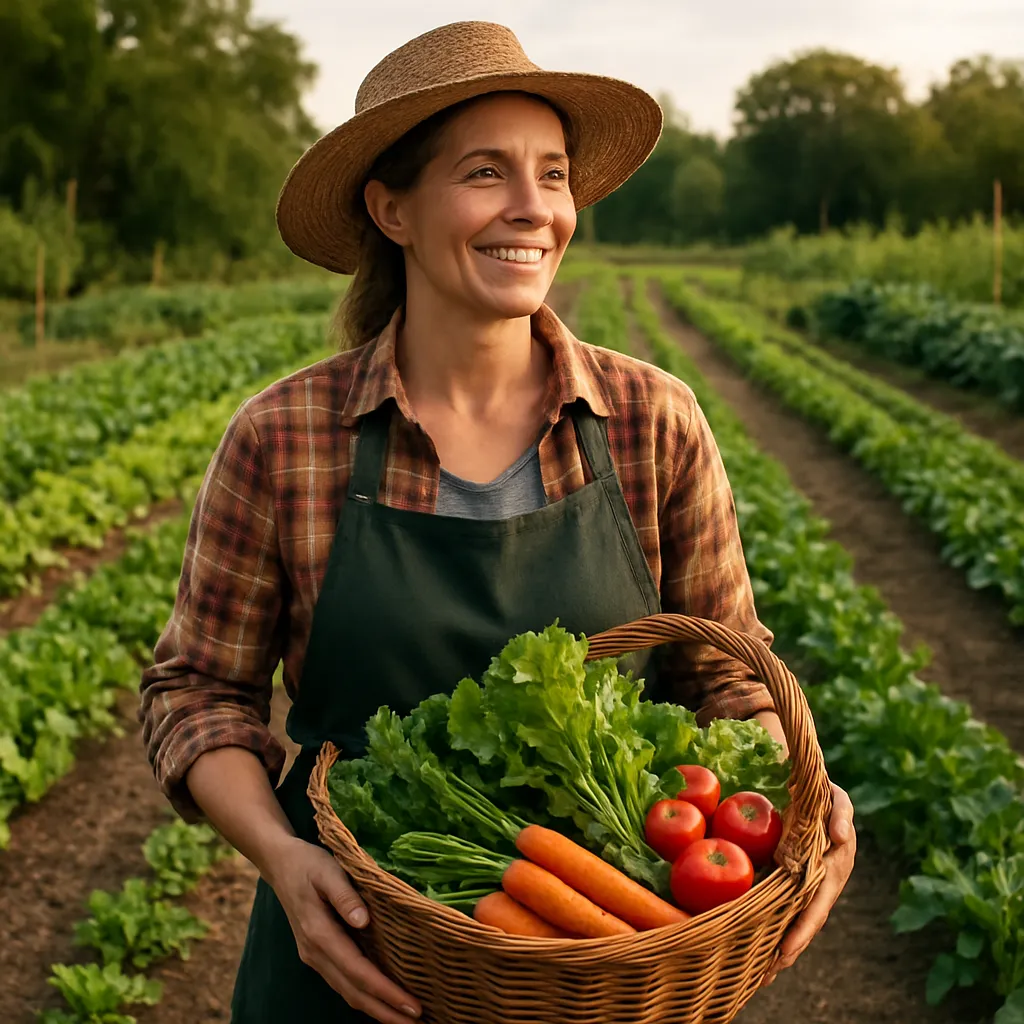
Before investing time and resources, it’s essential to understand consumer demand in your region. Identify farmers’ markets, restaurants, and grocery stores interested in organic produce or pasture-raised meats. Use surveys and direct interviews to assess preferences for heirloom varieties, specialty crops, or artisanal dairy products. Evaluating local competition helps you pinpoint a niche and set realistic price points.
Select the Right Land
Location is critical. Look for parcels with good access to water, convenient transportation routes, and compatible zoning. Test the soil for pH, nutrient levels, and contamination. Well-drained, loamy soils reduce erosion and disease pressure. If you can’t afford prime acreage, consider leasing ground from retiring farmers or joining a land-share cooperative.
Secure Financing and Permits
Review startup costs—equipment, seeds, fencing, irrigation, labor, and insurance. Explore small business loans, grants for sustainable agriculture, and cost-share incentives from government programs. Consult local authorities about permits for water use, livestock, and food processing. Clear legal compliance early to avoid costly delays.
Developing Infrastructure and Operations
Design Efficient Layouts
An organized farm layout boosts productivity. Plan zones for fields, pastures, greenhouses, storage, and packing areas. Create buffer strips or hedgerows to enhance biodiversity and act as windbreaks. Position water sources and power lines to minimize daily labor travel and fuel use.
Invest in Essential Equipment
- Tractors or ATVs for hauling and tilling
- Irrigation systems—drip lines, sprinklers, or rainwater catchment
- Cold storage for fruits, vegetables, or dairy
- Fencing and shelters for livestock
- Greenhouses, hoop houses, or high tunnels for extended growing seasons
Prioritize multi-use tools that reduce waste and lower maintenance. For example, modular hoop houses can be moved seasonally.
Establish Skilled Labor Practices
Hiring reliable farmhands accelerates growth. Offer training in composting, equipment operation, and animal care. Encourage open communication and safety protocols. Share profit-sharing opportunities or product discounts to boost morale and foster loyalty.
Implementing Sustainable Practices
Crop Rotation and Soil Health
Rotate families of crops yearly to prevent pest and disease buildup. Integrate cover crops—such as clover or rye—to fix nitrogen, suppress weeds, and protect soil from erosion. Test your land periodically to adjust fertilizer and lime applications, ensuring balanced nutrition for every planting cycle.
Water Management and Irrigation
Efficient irrigation conserves water and reduces energy costs. Employ drip systems or soaker hoses to deliver moisture directly to roots. Collect rainwater in barrels or ponds for drier months. Mulch pathways and beds to limit evaporation and maintain even soil moisture.
Integrated Pest Management (IPM)
Adopt biological controls—ladybugs, lacewings, and predatory nematodes—to keep pest populations in check. Monitor fields regularly and use pheromone traps or row covers when necessary. Apply organic-approved sprays only as a last resort to maintain beneficial insect habitats.
Animal Welfare and Pasture Management
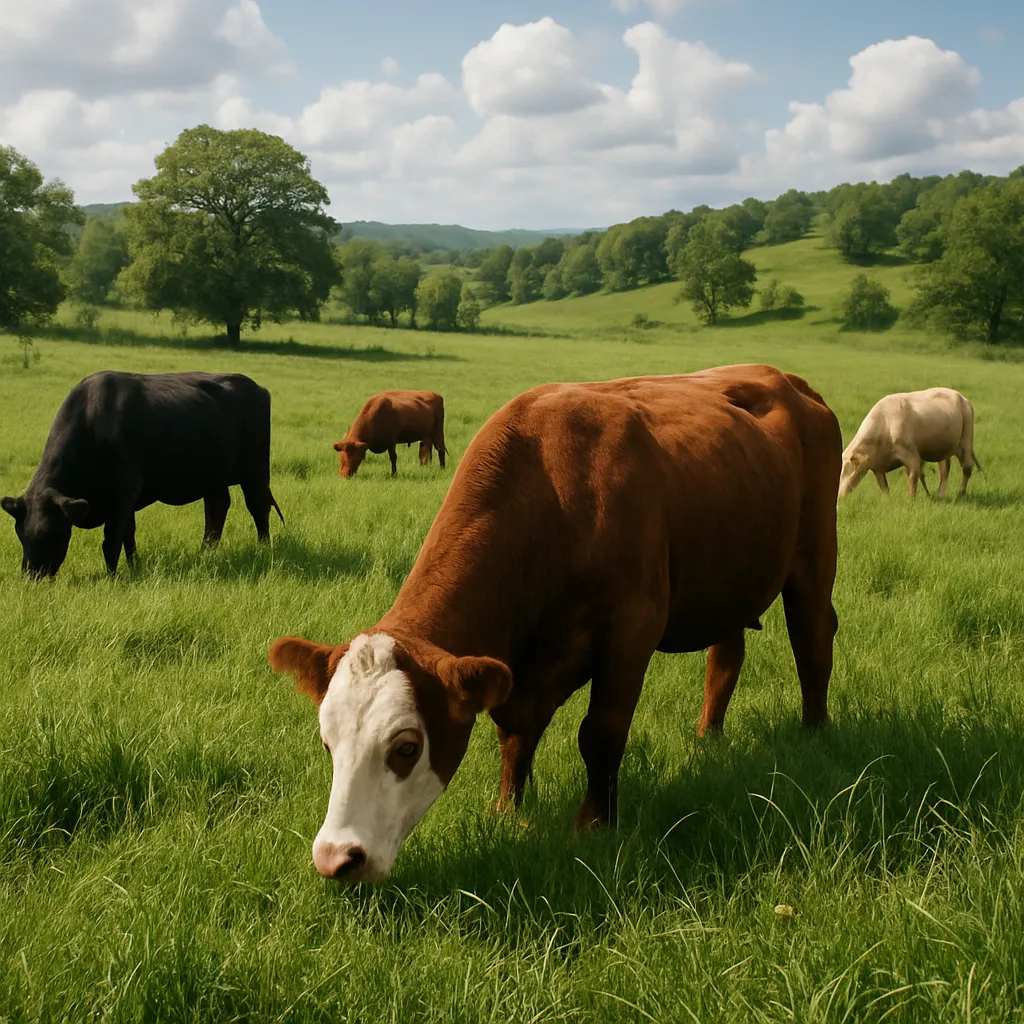
If raising livestock, practice rotational grazing to preserve pasture resilience and forage quality. Provide clean water, shade, and shelter. Avoid overcrowding to minimize stress and disease. Use manure management systems—compost piles or anaerobic digesters—to recycle nutrients back into crop fields.
Growing Your Customer Base and Profitability
Build a Strong Brand
Differentiate your farm by highlighting its sustainable methods, farm-to-table story, and unique products. Develop a memorable name, logo, and tagline. Share high-quality photos and videos showing fieldwork, harvest, and animal care. Transparency fosters trust.
Leverage Direct and Online Sales
- Farmers’ markets for face-to-face engagement
- Community Supported Agriculture (CSA) subscriptions
- E-commerce platforms for box deliveries
- Social media campaigns and farm blogs
Encourage repeat customers with loyalty discounts, referral programs, and seasonal recipe ideas. Collect testimonials to boost credibility.
Collaborate and Network
Join local farm bureaus, co-ops, or sustainability associations. Attend workshops on agribusiness management, innovation, and emerging technologies. Partner with chefs, artisans, or schools for on-farm events, educational tours, and value-added products like jams, cheeses, or herbal soaps.
Track Key Performance Metrics
Monitor yield per acre, input costs, labor hours, and revenue streams. Calculate return on investment (ROI) for each enterprise. Use software or spreadsheets to visualize trends over time. Adjust cropping plans, pricing, and marketing based on data to continually improve profitability.
Embracing a Long-Term Vision
Launching a small farm is both challenging and rewarding. By prioritizing sustainable practices—protecting soil health, conserving water, and enhancing biodiversity—you build a resilient operation prepared for climate variability. Engaging with your local community and fostering transparent relationships ensures stable markets and shared stewardship values. Remember that continuous learning, innovation, and adaptability are your greatest allies. With patience and persistence, your small farm can thrive as a beacon of environmental responsibility and economic success.