Agriculture today faces a critical challenge in balancing productivity with environmental stewardship. Reducing plastic dependence is not only a matter of ecological responsibility but also a pathway toward greater long-term farm viability. Farmers, researchers and policymakers must collaborate to shift conventional practices toward more regenerative, low-waste systems. This article explores the depth of plastic-related issues in farming, highlights emerging alternatives and provides actionable steps to minimize synthetic polymer footprint on agricultural landscapes.
Understanding Plastic Challenges in Agriculture
Extent of Plastic Use
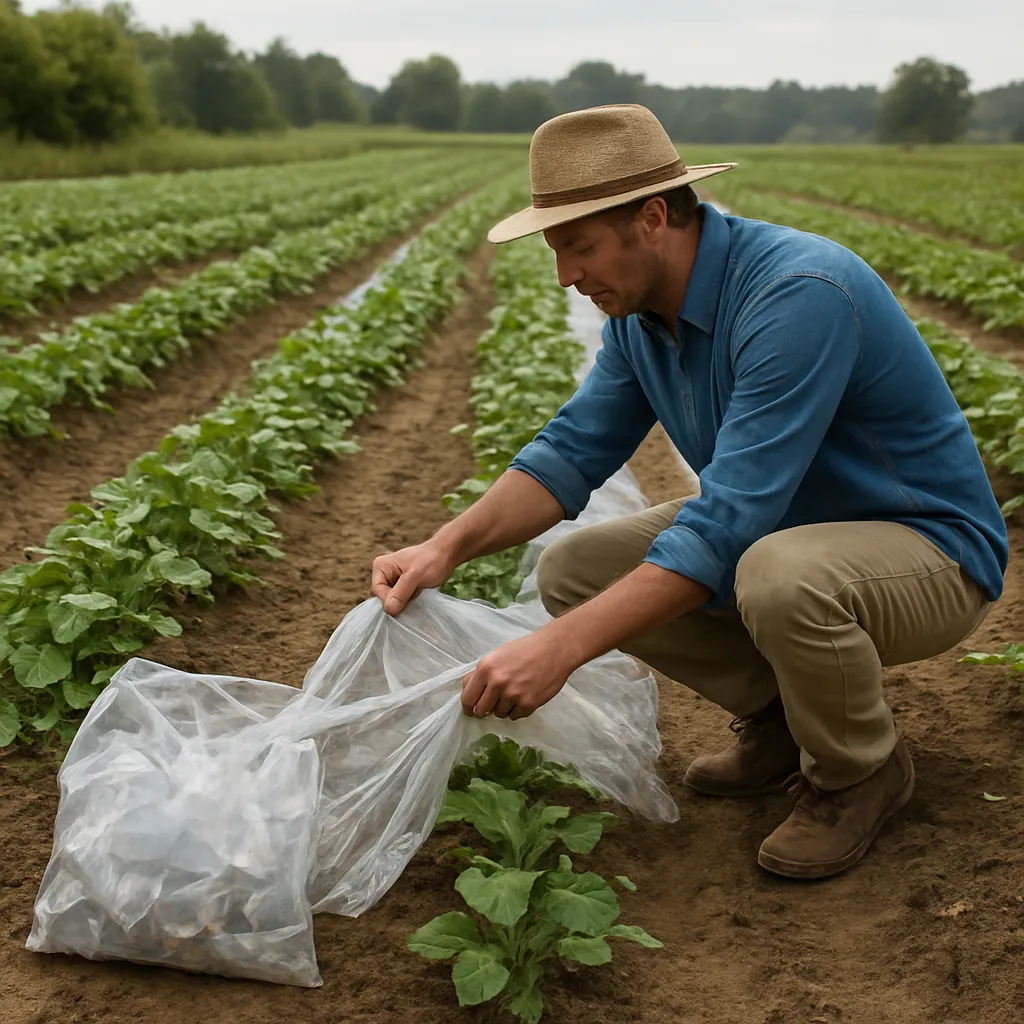
Across the globe, a wide variety of plastic products are employed in crop production and livestock management. Black mulch films conserve moisture and suppress weeds; greenhouse covers regulate temperature; irrigation tubing delivers water; seed trays and pots simplify germination. Such items often become single-use waste after a single growing cycle. Farmers rely on these plastics for their convenience and cost-effectiveness, yet the pace of disposal is alarming. Without proper end-of-life solutions, millions of tonnes of agricultural plastic accumulate in landfills, incinerators or open fields every year.
Environmental Impact
When left unmanaged, plastic debris fragments into microplastics that infiltrate soil matrices. These particles can alter soil health, disrupt nutrient cycles and leach harmful additives. Earthworms, soil microbes and plant roots all suffer from degraded habitat quality. Moreover, runoff can carry microplastics into waterways, threatening aquatic fauna and eventually entering the human food chain. The persistence of synthetic polymers—often lasting centuries—means that present-day disposal choices will affect generations to come.
Economic and Social Dimensions
On-farm plastic disposal frequently incurs significant costs. Hire of collection services, transport to recycling centers and purchase of replacement film inflate operating budgets. In regions lacking robust waste infrastructure, farmers may resort to burning or burying plastics—practices that generate toxic emissions and violate regulations. Public awareness about the environmental toll of plastic agriculture is rising, and consumers increasingly demand sustainably produced food. Proactive reduction measures can bolster a farm’s reputation and open up premium market opportunities.
Sustainable Alternatives and Innovations
Biodegradable Mulches and Films
Advances in biodegradable polymers—derived from plant starches, polylactic acid or natural oils—offer a promising replacement for conventional polyethylene films. These materials break down under soil microorganisms, eliminating the need for retrieval and disposal. Field trials demonstrate comparable performance in weed control, temperature regulation and moisture retention. As research continues, cost reductions and broader availability will drive wider adoption among growers of fruits, vegetables and specialty crops.
Compostable Planters and Trays
Seedling nurseries traditionally use rigid plastic trays and pots that are discarded after their useful life. Compostable alternatives made from coir, rice husks, bamboo fiber or paper pulp can be planted directly into the ground. These containers decompose naturally, adding organic matter and avoiding transplant shock. Implementing compostable plant starts enhances root development and reduces labor associated with cleaning and recycling. Many horticultural operations have already transitioned, reporting healthier seedlings and streamlined workflows.
Recycling and Upcycling Strategies
Where avoidance is not feasible, on-farm recycling programs can reclaim value from used plastics. Establishing collection points for recycling allows materials to be sorted, cleaned and processed into new agricultural products—such as posts, fencing or irrigation components. Some innovative businesses upcycle old films into durable linings and landscape fabrics. Partnerships with local recycling facilities and cooperatives can reduce logistical hurdles and generate supplemental income streams for farming communities.
Practical Implementation and Best Practices
Assessment and Planning
Every journey begins with an audit. Farmers should catalogue all plastic inputs—mulches, packaging, irrigation parts—and quantify annual waste volumes. Mapping out the life cycle of each item clarifies hotspots for reduction. Engaging stakeholders, including farm workers, suppliers and extension agents, ensures a holistic view. With clear data, producers can prioritize initiatives that deliver the highest environmental and economic returns.
Integration into Farm Operations
Transitioning to low-plastic inputs requires thoughtful adjustment of cultivation routines. When adopting biodegradable films, equipment settings such as film tension and harvester speeds may need fine-tuning. Compostable planting containers should be stored in dry areas to avoid premature deterioration. Training staff on new handling protocols and documenting standard operating procedures fosters a culture of continuous improvement. Integrating innovation into crop plans can prevent disruptions and minimize risk during the learning curve.
Monitoring and Continuous Improvement
Successful programs include feedback loops. Installing simple monitoring systems tracks soil residue levels, waste diversion rates and cost savings. Periodic reviews help identify emerging technologies and refine material choices based on performance. Collaborating with research institutions or joining agricultural networks can provide access to the latest findings and funding incentives. Over time, incremental improvements compound, creating a resilient operation built on efficiency and ecological integrity.
Fostering Long-Term Change
Eliminating or drastically reducing plastic in agriculture demands vision and perseverance. Beyond technical solutions, it is a shift toward a truly circular economy where resources are used responsibly and returned safely to the environment. Policies, consumer support and market signals will drive further innovation. By embracing sustainable materials, enhancing biodiversity and focusing on resource management, farmers can safeguard productivity while nurturing the land for future generations. The journey to plastic reduction may be challenging, but its benefits—for soil, water, climate and community—are profound and enduring.