Restoring degraded land through thoughtful integration of trees and crops can transform barren fields into thriving ecosystems. By adopting agroforestry, farmers and land managers harness the power of nature to rebuild soil health, increase productivity, and promote long-term ecological balance. This article explores proven methods, practical tips, and essential principles for implementing agroforestry systems that revitalize degraded landscapes.
Understanding Land Degradation and the Importance of Agroforestry
Land degradation manifests as erosion, nutrient depletion, salinization, and reduced organic matter. Once fertile lands become unproductive, threatening food security and livelihoods. Agroforestry offers a multi-dimensional solution by combining agricultural and forestry practices to achieve sustainability, enhance biodiversity, and improve soil fertility.
The Causes of Degradation
- Continuous monocropping that depletes essential nutrients
- Deforestation leading to loss of protective tree cover
- Overgrazing that compacts soil and reduces vegetation
- Improper irrigation causing salinization
- Heavy use of chemical inputs harming soil microorganisms
How Agroforestry Addresses Key Issues
By integrating trees, shrubs, and crops, agroforestry systems build resilience against climate variability, enhance water retention, and prevent erosion. Deep-rooted trees recycle nutrients from subsoil layers, while leaf litter contributes organic matter. This synergy supports healthier, more productive soils over time.
Key Techniques to Restore Degraded Land
Implementing agroforestry requires careful selection of species and planting designs. Here are core techniques to restore degraded land effectively:
Alley Cropping
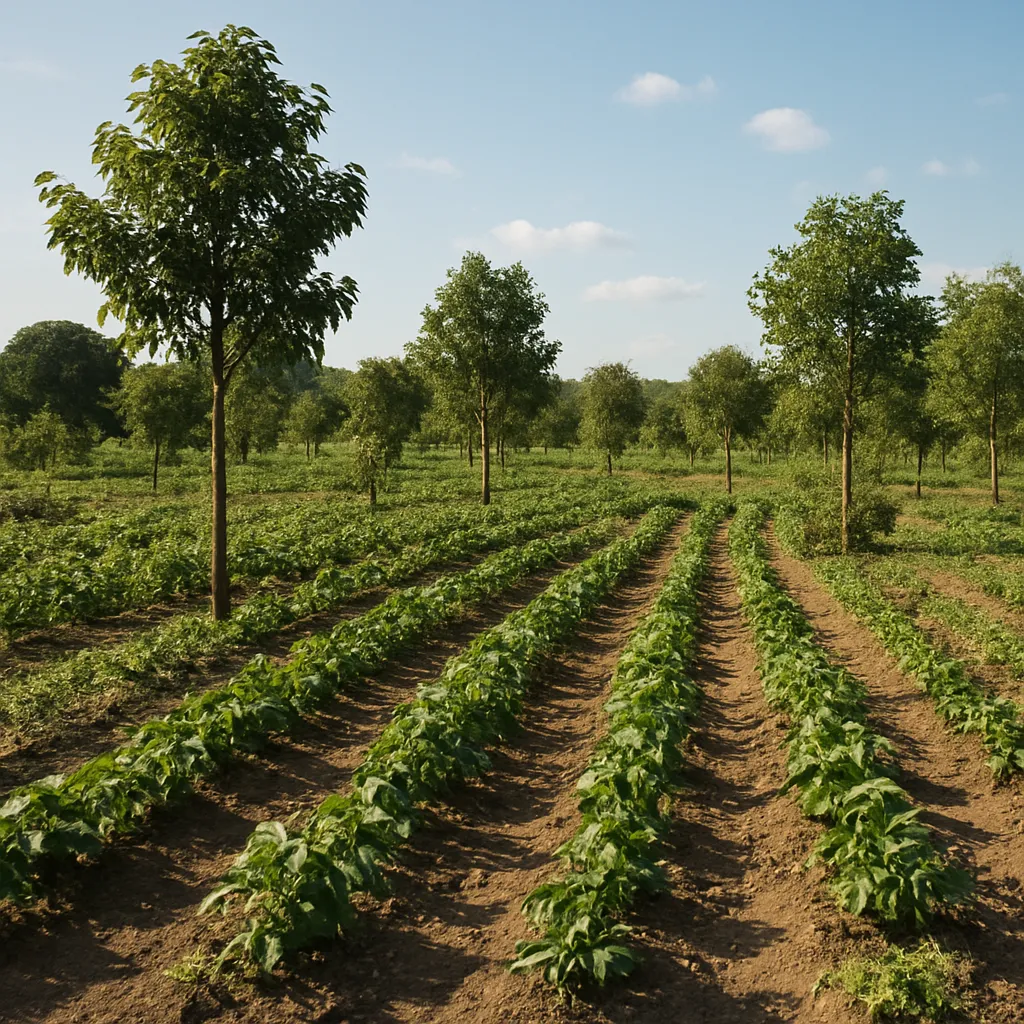
In alley cropping, rows of trees or shrubs are interspersed with annual crops. The tree rows provide:
- Shade and windbreak functions to protect crops
- Leaf litter as mulch, which adds organic matter
- Roots that stabilize soil and prevent erosion
Common species include leguminous trees like Gliricidia sepium or Leucaena leucocephala that fix atmospheric nitrogen, thus reducing the need for synthetic fertilizers.
Silvopasture
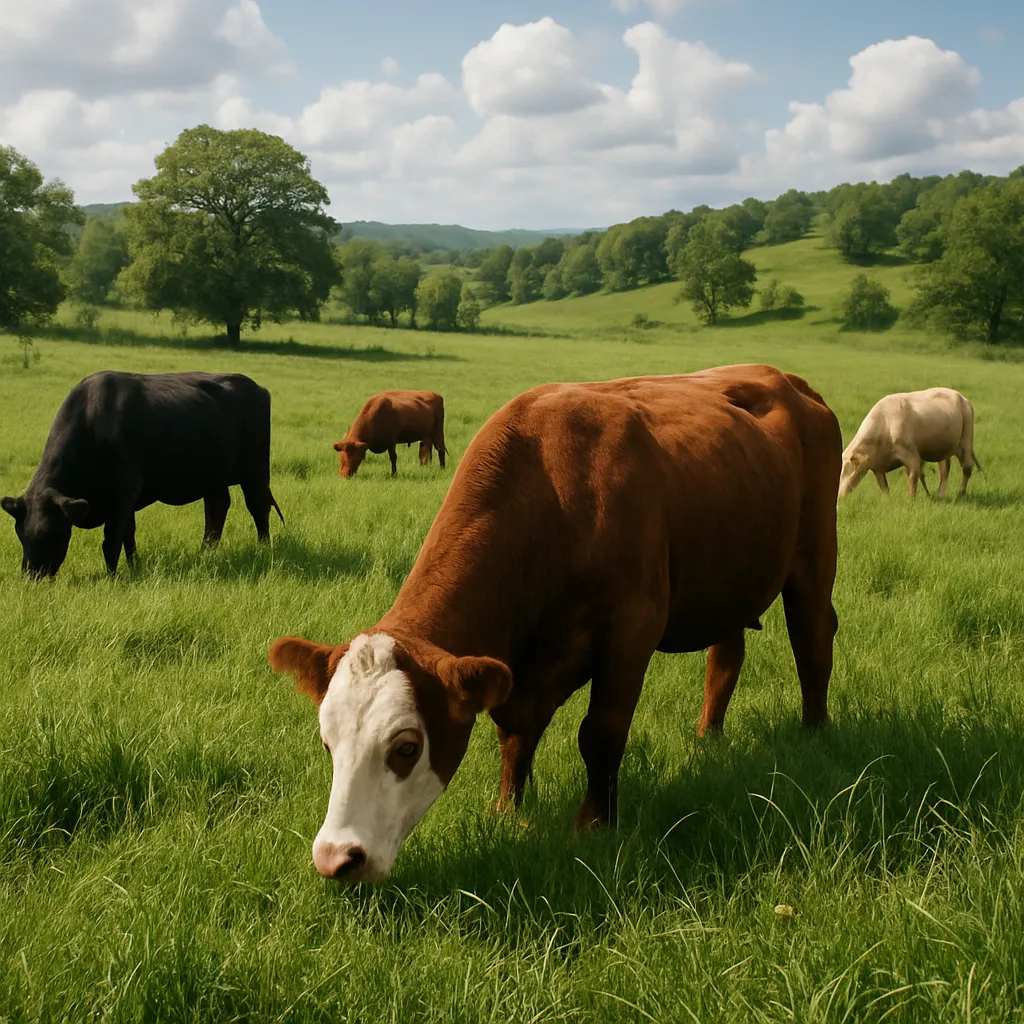
Silvopasture integrates livestock, forage plants, and trees in a mutually beneficial system. Trees provide shelter, shade, and fodder, while grasses benefit from improved microclimates. Key elements include:
- Rotational grazing to avoid overuse of forage
- Planting drought-resistant forage species
- Selecting timber trees that yield both wood and animal fodder
Forest Farming
Understory crops like medicinal plants, mushrooms, or shade-tolerant vegetables grow beneath a forest canopy. This approach:
- Enhances biodiversity by creating multiple habitats
- Generates diversified income streams
- Maintains continuous canopy cover to protect soil
Best Practices for Sustainable Agriculture Through Agroforestry
Your success hinges on thoughtful planning, ongoing monitoring, and adaptive management. The following best practices will guide you:
Site Assessment and Soil Analysis
Before planting, conduct comprehensive soil tests to measure pH, organic matter, nutrient levels, and texture. Map topography and drainage patterns. This data informs tree and crop placement, ensuring optimal growth and preventing waterlogging or runoff.
Species Selection and Diversity
Select a mix of native and productive species to maximize ecosystem services:
- Trees that fix nitrogen (e.g., acacia, falcata)
- Fruit and nut species for income diversification (e.g., mango, cashew)
- Deep-rooted trees for nutrient mining
- Shade-tolerant crops suited to local climate conditions
Maintaining high species diversity enhances system resilience and reduces pest outbreaks.
Water Management and Soil Conservation
Incorporate contour planting, swales, and berms to capture rainfall and reduce erosion. Mulching with tree prunings and crop residues conserves moisture and builds organic content. In arid zones, water harvesting ponds and drip irrigation support tree establishment.
Integrating Permaculture Principles
Permaculture design emphasizes working with natural patterns. Key principles include:
- Zone planning: placing high-maintenance crops closer to living quarters
- Stacked functions: ensuring each element serves multiple purposes
- Closed-loop systems: recycling nutrients within the farm
Applying permaculture concepts ensures efficient resource use and fosters long-term sustainability.
Enhancing Ecosystem Services and Carbon Sequestration
Agroforestry systems provide critical ecosystem services beyond crop production. They act as carbon sinks, sequestering CO₂ in biomass and soil:
Carbon Storage in Trees and Soil
Fast-growing species capture carbon quickly, while slow-growing hardwoods store carbon over decades. Well-managed agroforestry systems can sequester up to 9 tonnes of carbon per hectare annually, contributing to climate change mitigation.
Supporting Pollinators and Wildlife
Diverse flowering trees and shrubs attract pollinators, improving fruit set and yields. Habitat corridors enable wildlife movement, promoting balanced food webs and natural pest control.
Integrating Community, Policy, and Market Support
Successful restoration on a large scale requires collaboration among farmers, governments, NGOs, and markets. Encourage community engagement through:
Participatory Planning and Training
Workshops and demonstration plots empower farmers with practical skills in tree nursery management, planting techniques, and system maintenance. Farmer-to-farmer exchanges foster knowledge sharing and innovation.
Access to Quality Planting Material
Establish local nurseries to supply high-quality seedlings of improved varieties. Quality control ensures healthy, disease-free plants that establish rapidly.
Incentive Mechanisms and Policy Frameworks
Governments can promote agroforestry by offering:
- Subsidies or low-interest loans for tree planting
- Payment for ecosystem services, rewarding carbon sequestration
- Land tenure security to encourage long-term investments
Market Linkages and Value Chains
Develop market channels for agroforestry products—timber, fruits, nuts, fodder, and non-timber forest products. Cooperative models help smallholders aggregate produce and negotiate better prices.
Through strategic planning, community involvement, and adoption of proven agroforestry techniques, degraded lands can be transformed into productive landscapes. By prioritizing ecosystem health, enhancing resilience, and leveraging carbon sequestration, agroforestry paves the way for a truly regenerative future.