The intersection of technology and agriculture has given rise to transformative practices that empower farmers to optimize resources, boost productivity, and reduce operational costs. By harnessing the power of Internet of Things (IoT) devices, the agricultural sector is experiencing a paradigm shift. This article explores practical tips and innovative applications that help cultivate healthier crops, enhance resource management, and accelerate decision-making on modern farms.
IoT Integration in Modern Agriculture
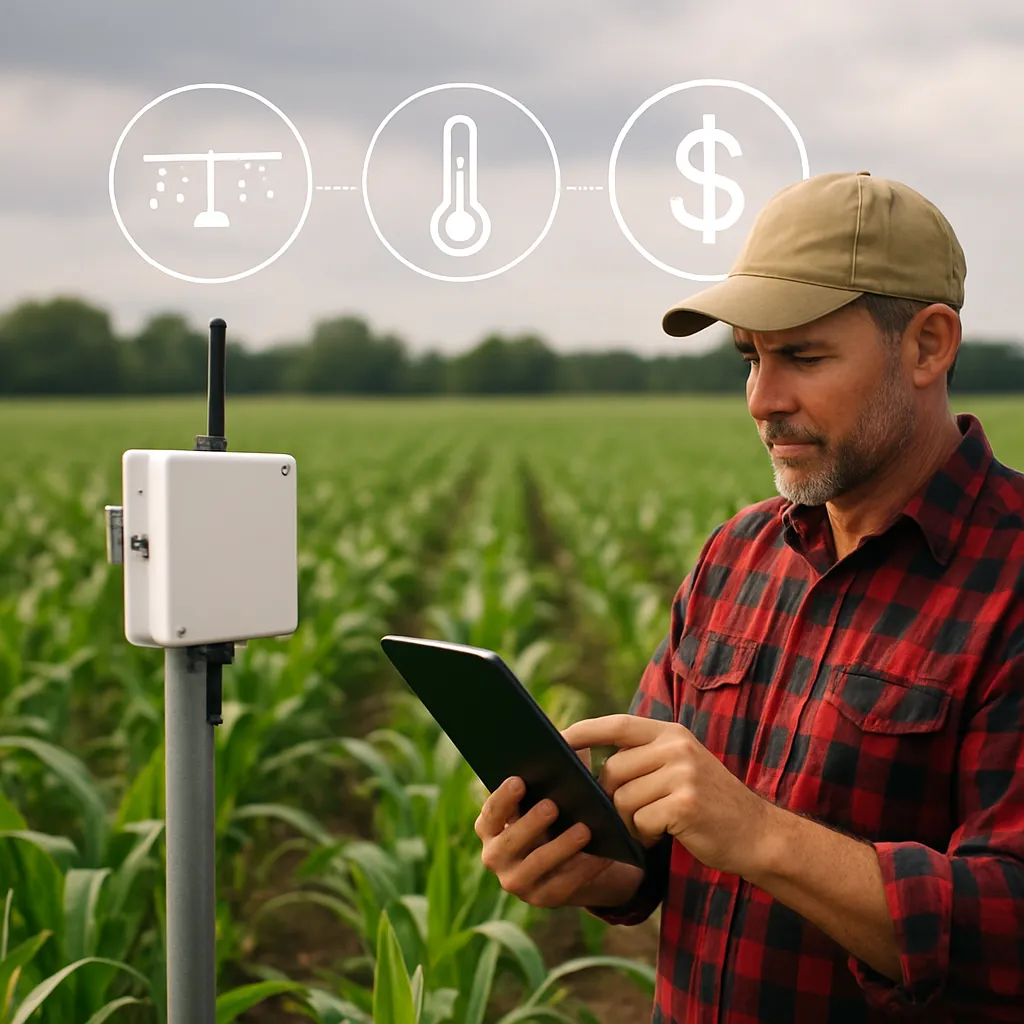
Implementing IoT devices on farms bridges the gap between data collection and real-world action. Connected sensors and actuators provide real-time insights into soil conditions, weather patterns, and machinery status. Key benefits include:
- Remote monitoring of field parameters without constant manual inspection.
- Automated alerts when conditions deviate from optimal ranges.
- Centralized dashboards to visualize farm-wide performance metrics.
Smart Sensors and Field Deployment
Choosing the right sensor plays a pivotal role in achieving accurate readings. Moisture, temperature, pH, and nutrient sensors should be calibrated regularly. Place these sensors at varying depths and locations to account for soil heterogeneity. When combined with weather stations, farmers gain a holistic view and can initiate preventive measures in advance.
Connectivity Solutions
Reliable communication networks such as LoRaWAN, NB-IoT, or cellular LTE-M form the backbone of remote monitoring systems. Evaluate coverage maps before deployment. In areas with limited connectivity, consider satellite links or mesh networks to maintain uninterrupted data flow.
Precision Farming and Data Analytics
Precision agriculture leverages data analytics to optimize every aspect of crop production. By analyzing historical and real-time data, farmers can execute precise interventions that conserve resources and maximize yield.
- Variable Rate Technology (VRT) adjusts seed, fertilizer, and pesticide application based on mapped field zones.
- Yield mapping records yield variability across the field for trend analysis.
- Prescriptive analytics recommend specific actions to correct underperforming areas.
Data Collection and Management
Establish a robust data pipeline: collect information from drones, satellite imagery, and on-the-ground sensors. Store this data in a cloud-based platform with secure access controls. Utilize machine learning algorithms to detect anomalies and forecast crop health issues before symptoms appear.
Streamlining Decision-Making
Integrate decision-support tools that process massive datasets into actionable insights. Dashboards should display key performance indicators and trend lines. Implement automated workflows that trigger equipment to activate or adjust settings, reducing manual intervention and increasing efficiency.
Water Management and Resource Optimization
Effective water usage is critical for sustainability and cost reduction. With climate variability intensifying, efficient irrigation strategies prevent waste and maintain soil health.
- Smart irrigation systems deliver precise water volumes based on plant water requirements and soil moisture levels.
- Automated drip irrigation can be programmed to run during off-peak energy hours.
- Leak detection sensors alert operators to pipeline failures before significant losses occur.
Implementing Precision Irrigation
Soil moisture sensors integrated with an irrigation controller ensure water reaches root zones without oversaturation. Pair these devices with weather forecasts to postpone irrigation when rainfall is expected, thus conserving both water and pumping energy.
Rainwater Harvesting and Reuse
Installing collection tanks and filtration systems allows farmers to capture runoff and repurpose it for irrigation or livestock hydration. This practice enhances resilience against drought and reduces dependency on external water supplies.
Livestock Monitoring and Automation
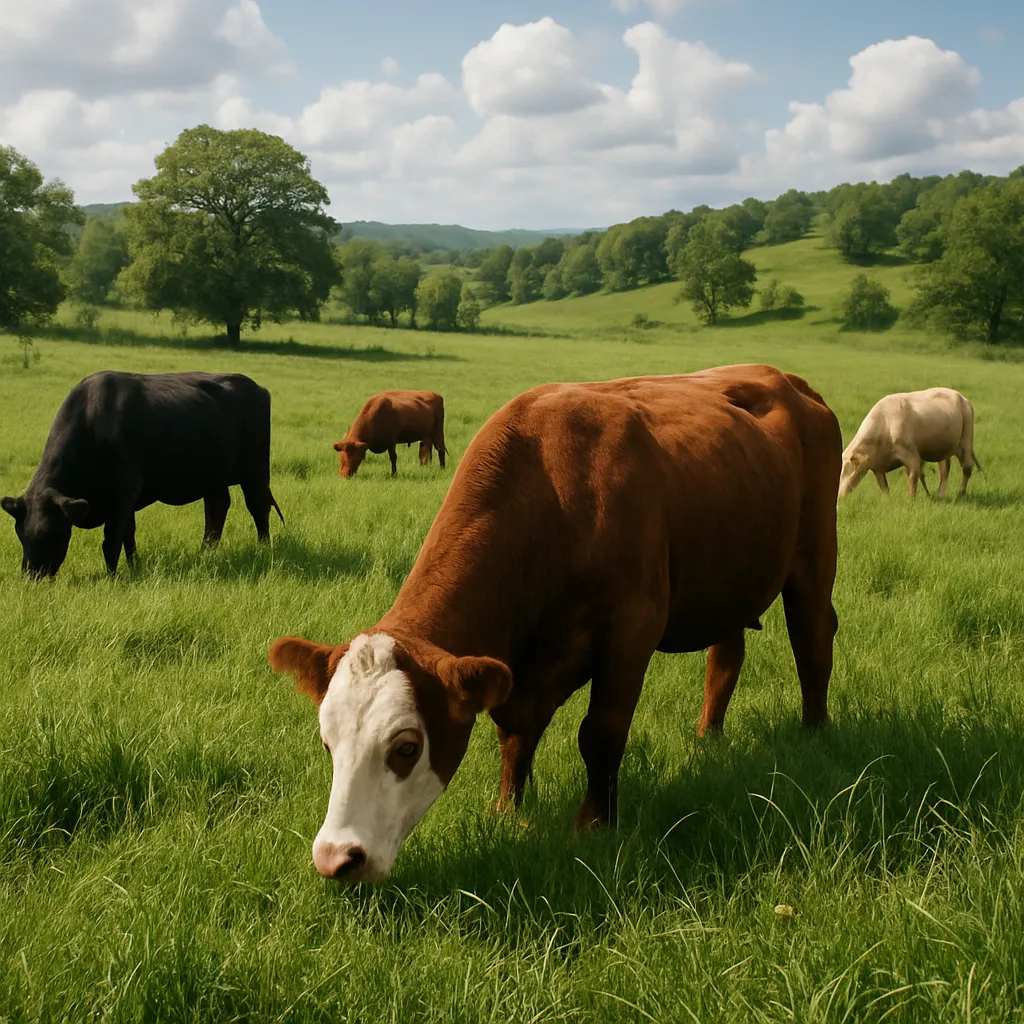
Technology isn’t limited to crops. Livestock farming benefits greatly from IoT-driven solutions that monitor animal health, optimize feed, and ensure overall welfare.
- Wearable collars with biometric sensors track heart rate, movement, and grazing patterns.
- Automated feeders dispense precise feed rations, minimizing waste and improving weight gain.
- Environment sensors regulate barn temperature and ventilation, enhancing animal comfort.
Health Surveillance
Early detection of illness is vital to limit the spread of disease. Use predictive maintenance systems on milking machines and feeding equipment to avoid breakdowns that could stress animals. Biosecurity measures can be automated with entry-point sensors and disinfection protocols.
Behavioral Analytics
Analyzing movement and feeding behaviors helps identify changes indicating stress or illness. Real-time alerts on mobile devices allow farm managers to intervene promptly, ensuring herd health remains at optimal levels.
Challenges and Future Directions
While IoT adoption in agriculture offers numerous advantages, there are challenges to overcome. Data security and privacy concerns must be addressed through encryption and regular firmware updates. Interoperability between devices from different manufacturers can hinder seamless integration. To maximize ROI, farmers should:
- Invest in scalable platforms that support modular expansion.
- Train staff on new technologies to ensure proper maintenance and troubleshooting.
- Collaborate with agronomists and technology providers for tailored solutions.
Emerging trends such as agri-drones, autonomous tractors, and AI-driven crop modeling will further redefine farm management. By staying informed and adopting a continual improvement mindset, farmers can leverage these innovations to maintain a competitive edge and foster long-term sustainability.