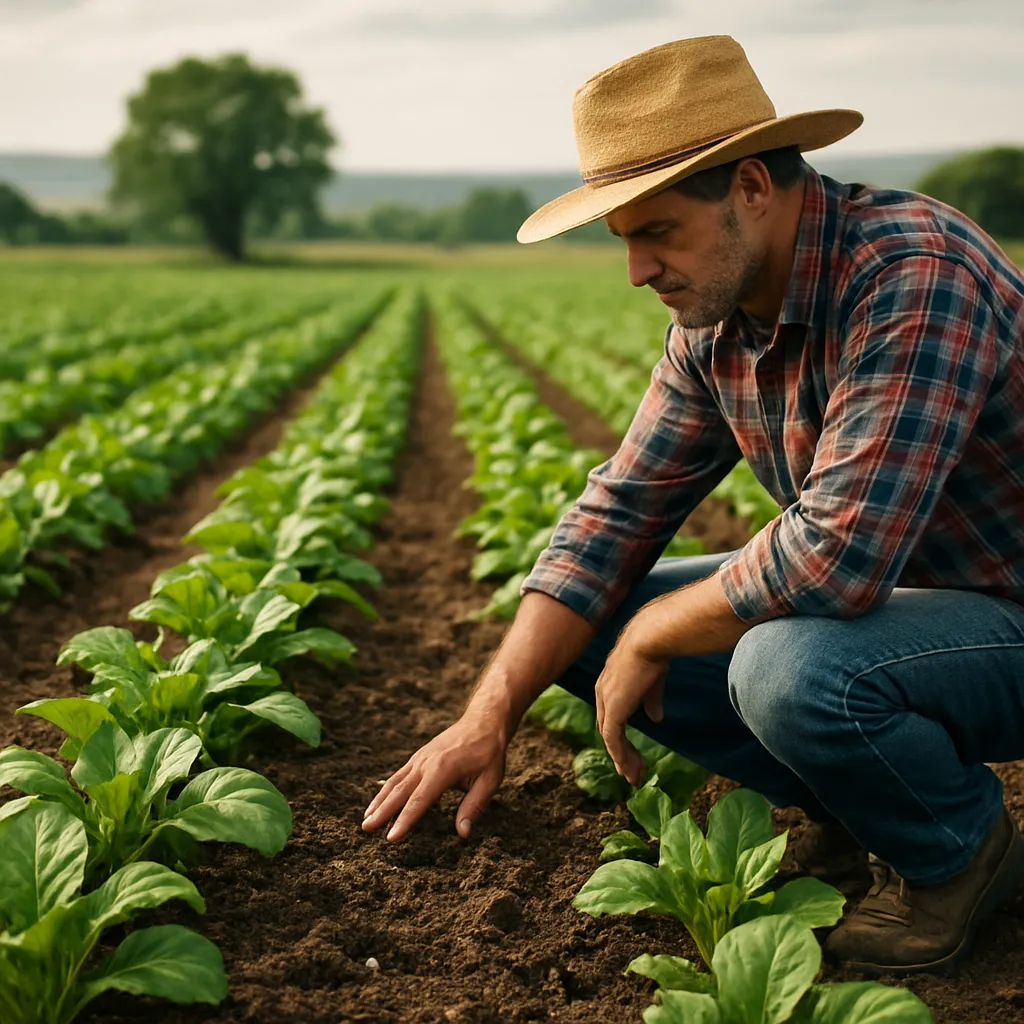
Organic agriculture offers a holistic approach that nurtures the land while providing nutritious crops. Through a combination of time-tested methods and innovative techniques, farmers can restore soil health, boost biodiversity, and promote long-term sustainability. This article explores the journey of organic practices, highlights essential strategies, and provides actionable advice for anyone dedicated to cultivating fertile, resilient farmland.
Origins and Evolution of Organic Farming
Early pioneers recognized that chemical-intensive systems often depleted the earth’s vitality. In the 1920s and 1930s, agronomists such as Sir Albert Howard and Lady Eve Balfour championed methods that prioritized natural processes. They observed how composting kitchen scraps and plant residues restored structure, enhancing nutrient cycling to successive crops. Over subsequent decades, these visionaries published influential works laying the groundwork for modern organic standards.
By mid-century, farmers around the world began forming associations dedicated to regulation and certification. Standards evolved to restrict synthetic fertilizers, pesticides, and genetically modified organisms, ensuring that each harvest contributed to long-term ecosystem services rather than short-term yields. Today’s organic regulations in many countries incorporate soil tests, rotational plans, and record-keeping requirements to uphold rigorous quality and environmental protection.
Key Principles and Practices that Enhance Soil Health
Crop Rotation and Diversity
Implementing a diverse sequence of crops breaks pest cycles and builds crop rotation benefits. Legumes, such as beans or peas, fix atmospheric nitrogen, reducing the need for external fertilizers. Following legumes with grains or root vegetables ensures that the land remains covered and productive. Rotating brassicas (e.g., cabbage, kale) with solanaceous species (e.g., tomatoes, peppers) can disrupt disease pathways, fostering a robust agroecosystem.
Composting and Organic Matter Addition
Regular incorporation of composting materials—manure, green waste, and food scraps—replenishes organic matter. Soil rich in organic content exhibits superior water retention, reducing irrigation demands and combating drought stress. Beneficial microorganisms flourish in this environment, unlocking locked-up nutrients and creating a self-sustaining fertility cycle.
Cover Crops and Green Manures
Planting cover crops such as clover, rye, or mustard during fallow periods prevents erosion, suppresses weeds, and feeds soil biota. When tilled in as green manures, they biodegrade into a living mulch that further stimulates microbial activity. A well-chosen mix of grasses and legumes offers the dual advantage of rapid biomass production and nitrogen enrichment.
Minimal Tillage and Soil Structure Preservation
Reducing mechanical disturbance preserves pore networks, allowing roots and microorganisms to penetrate more deeply. No-till or reduced-till methods protect soil aggregates and minimize carbon loss to the atmosphere. Over time, this approach enhances soil health, enabling farmers to rely less on external inputs and more on nature’s inherent resilience.
Practical Tips for Farmers and Gardeners
- Test soil annually: Conduct pH, organic matter, and nutrient assays to tailor amendments precisely.
- Use mulches wisely: Organic mulches—straw, wood chips, leaf litter—conserve moisture and moderate temperatures.
- Encourage pollinators: Plant native wildflowers and maintain hedgerows to support bees, butterflies, and beneficial insects.
- Implement integrated pest management (IPM): Combine physical barriers, biological controls, and selective botanical extracts to keep pests at bay.
- Monitor moisture levels: Install gauge probes or simply observe plant vigor to avoid overwatering, which can leach nutrients.
- Adopt agroforestry elements: Integrate fruit trees and shrubs to create windbreaks, sequester carbon, and diversify income streams.
- Harvest crop residues strategically: Leave some roots in place to feed soil life and reduce erosion risks during winter.
- Rotate livestock through pastures: Managed grazing stimulates plant regrowth, recycles manure evenly, and prevents compaction.
- Prepare homemade tea fertilizers: Steep comfrey, nettle, or seaweed to create nutrient-rich foliar sprays for rapid uptake.
- Keep meticulous records: Document planting dates, inputs applied, and yields to refine practices season after season.
Future Trends and Challenges in Sustainable Agriculture
Advancements in sensor technology and data analytics offer new opportunities to fine-tune organic systems. Precision soil sensors can measure moisture and nutrient availability in real time, enabling targeted applications that minimize waste. Meanwhile, on-farm trials of biochar amendments and vermicomposting present the potential to lock carbon into soils for decades.
At the same time, organic producers face challenges such as labor shortages, certification costs, and market fluctuations. Collaborative cooperatives and community-supported agriculture (CSA) models can help smallholders share resources, reduce burdens, and ensure fair incomes. Continued research into heirloom varieties and biodiversity-driven crop mixtures will be essential to adapt to changing climates.
Ultimately, a synthesis of age-old wisdom and cutting-edge innovation will guide the next generation of organic stewards. By embracing the principles that prioritize nutrient cycling, protecting natural habitats, and enhancing ecosystem services, farmers and gardeners can contribute to a more resilient food system—one that values the living soil as the foundation for enduring productivity.