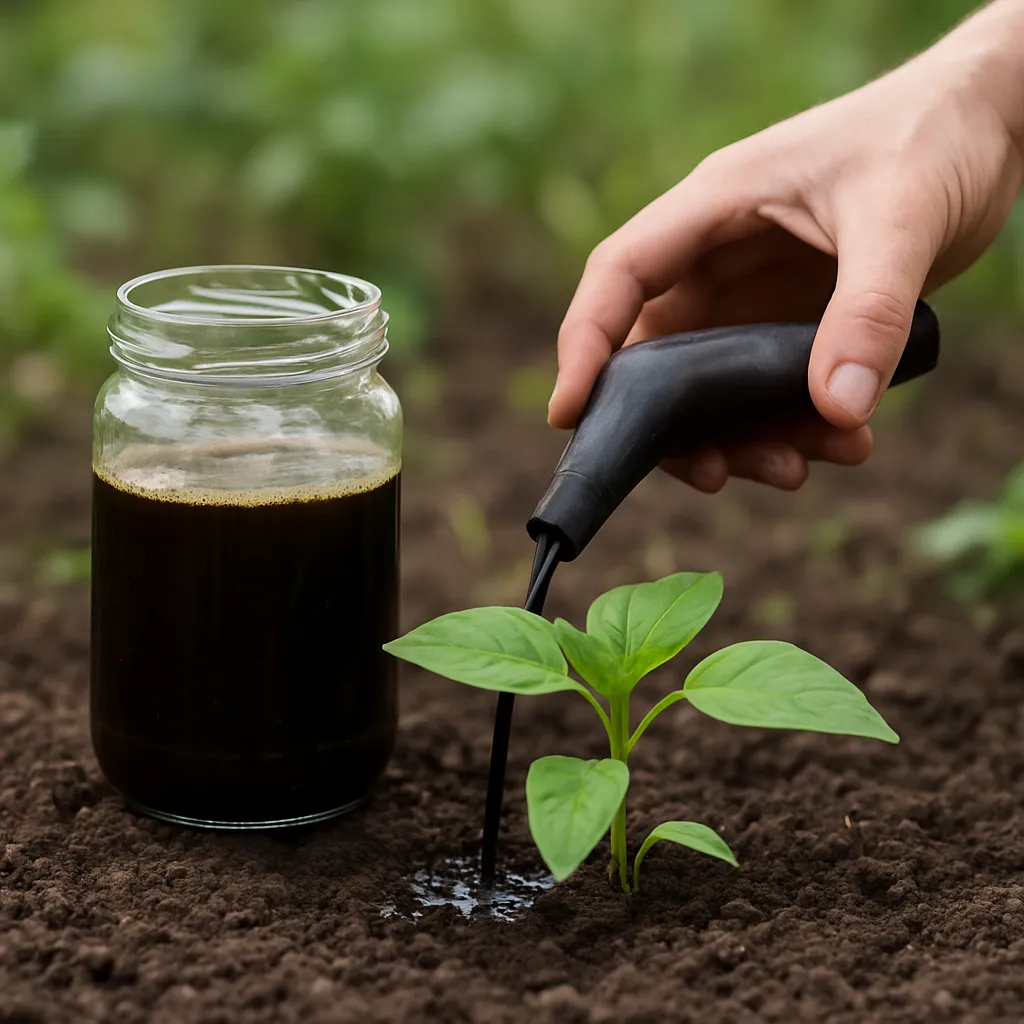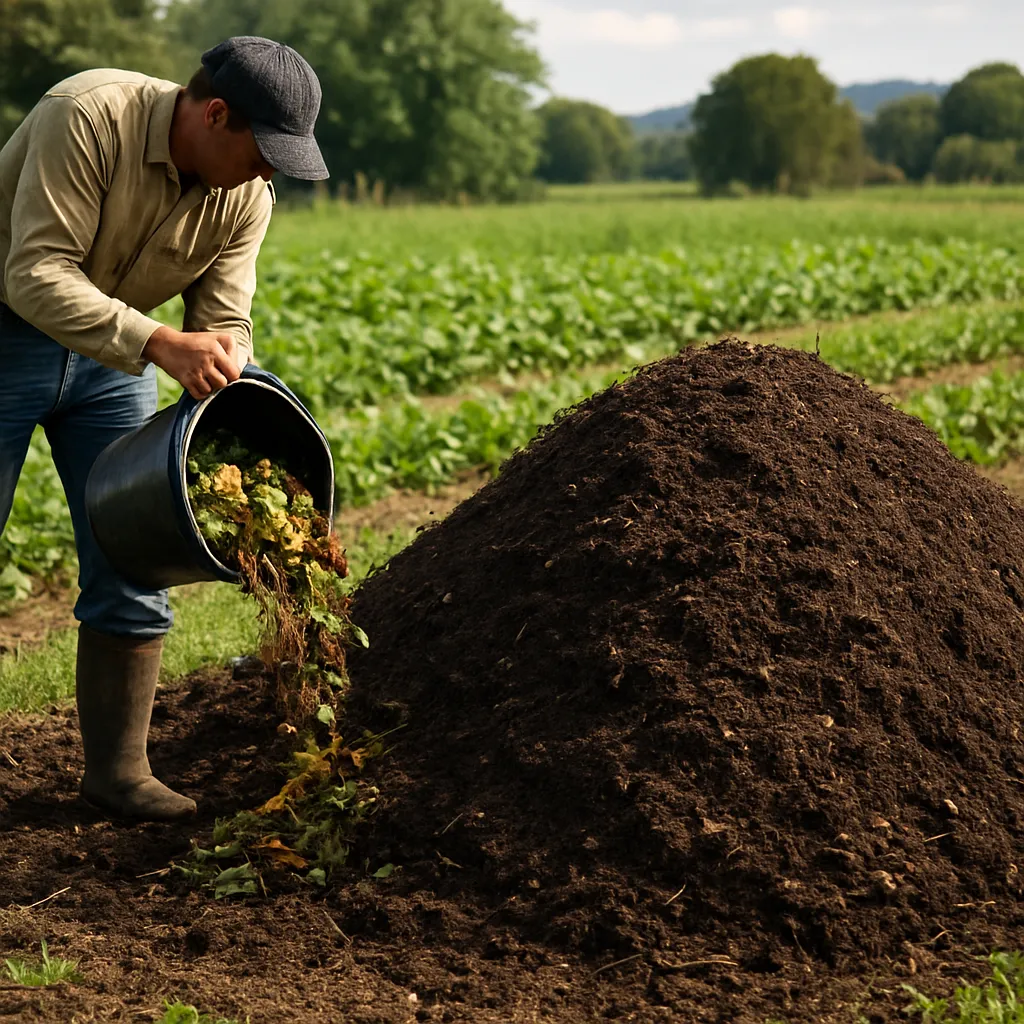
Effective management of organic waste materials can transform traditional farming into a model of sustainability. Farmers around the world are rediscovering the potential of natural processes to enrich their fields, reduce dependence on chemical inputs, and foster resilient agricultural systems. One of the most powerful tools in this movement is composting, which not only recycles waste but also generates a valuable resource for improving soil health and boosting overall farm productivity.
Enhancing Soil Health through Composting
Composting is the biological decomposition of organic materials under controlled conditions. This process harnesses the activity of diverse microorganisms—bacteria, fungi, and actinomycetes—that break down plant residues, food scraps, animal manures, and other biodegradable waste into humus-like material. The end product, commonly called compost, is rich in nutrients and beneficial compounds that directly improve the physical, chemical, and biological properties of farmland soil.
Improving Soil Structure and Fertility
When compost is incorporated into agricultural fields, it enhances the aggregation of soil particles, leading to better water infiltration and retention. This improved structure reduces erosion risk, prevents surface crusting, and supports robust root development. Compost also increases organic matter content, a critical factor in sustaining fertility. Over time, fields treated with compost exhibit higher cation exchange capacity, which allows soils to hold onto essential nutrient ions more effectively, reducing leaching losses.
Stimulating Beneficial Soil Biology
The introduction of mature compost enriches soil with populations of beneficial soil organisms. These communities help cycle nutrients, suppress pathogens, and even improve disease resistance in crops. By encouraging a more diverse and active soil food web, farmers can minimize reliance on chemical pesticides and foster healthier plant growth.
Economic and Environmental Benefits
Beyond agronomic advantages, composting delivers compelling economic and environmental returns. By converting on-farm residues and local organic waste into compost, producers can drastically cut costs associated with waste disposal and synthetic fertilizer purchases. Additionally, composting supports climate-friendly practices through carbon sequestration and greenhouse gas emission reductions.
Cost Savings and Revenue Generation
- Reduced expenditure on commercial fertilizers and soil amendments.
- Potential income streams from selling high-quality compost to neighboring farms or gardeners.
- Lowered waste transport and landfill fees, especially in regions with strict disposal regulations.
Mitigating Climate Impact
Properly managed compost piles minimize methane release compared to anaerobic landfills. Furthermore, when applied to soil, compost locks carbon into stable organic compounds, mitigating atmospheric CO2 levels. Integrated into conservation agriculture systems, compost helps build resilient landscapes that withstand extreme weather events and contribute to global climate goals.
Practical Composting Methods and Tips
Farmers can choose from several composting approaches depending on scale, resource availability, and local climate conditions. Selecting the right method ensures efficient decomposition and high-quality output.
Traditional Windrow Composting
Windrow systems involve piling organic material into long rows and regularly turning them to maintain oxygen levels. This method is suitable for medium to large farms with access to machinery for turning and shredding feedstocks.
In-Vessel and Aerated Static Pile Systems
For faster processing and odor control, in-vessel composting encloses materials in containers or chambers. Aerated static piles employ perforated pipes or blower systems to supply air, eliminating the need for frequent turning.
Aerobic vs. Anaerobic Techniques
- Aerobic composting: Prioritizes oxygen, yields odour-free, pathogen-reduced compost.
- Anaerobic digestion: Produces biogas alongside digestate, suitable for farms with energy demands.
Essential Tips for Successful Composting
- Balance carbon-rich (“browns”) and nitrogen-rich (“greens”) feedstocks in a roughly 30:1 carbon-to-nitrogen ratio.
- Maintain moisture at 40–60% to support microbial activity without creating anaerobic pockets.
- Monitor internal pile temperature, aiming for 55–65 °C to accelerate decomposition and eliminate weed seeds.
- Ensure proper aeration through turning or forced air to prevent odors and promote uniform breakdown.
- Allow adequate curing time—typically 4–8 weeks—to stabilize the compost before field application.
Integration into Modern Farming Practices
To maximize the impact of compost on crop performance, farmers should integrate it thoughtfully into their management plans. This approach involves timing, application rates, and complementary practices that enhance soil life and crop resilience.
Timing and Application Strategies
Compost can be applied pre-planting to prepare seedbeds or side-dressed during the growing season to supply nutrients when crops demand them most. Recommended rates vary based on soil tests, crop needs, and compost quality, but general guidelines suggest 5–20 tonnes per hectare for annual crops and up to 50 tonnes per hectare for orchards or vineyards.
Combining with Cover Crops and Crop Rotation
Cover crops protect soil between main production cycles and contribute additional biomass for compost inputs. Rotating legumes, cereals, and brassicas diversifies soil microbial habitats, enhances nutrient cycling, and reduces pressure from pests and diseases. When cover crop residues are composted or incorporated directly, the system benefits from a continuous infusion of organic matter.
Precision Agriculture and Compost Management
Advances in precision farming technologies—such as GPS-guided spreaders, variable-rate application systems, and soil moisture sensors—allow farmers to tailor compost distribution to field variability. This targeted approach optimizes resource use, reduces waste, and boosts crop yield consistency.
Key Takeaways for Effective Integration:
- Base compost applications on soil test recommendations and specific crop requirements.
- Use technology to map field variability and adjust compost rates accordingly.
- Maintain records of compost quality, application rates, and observed crop responses to refine future management.