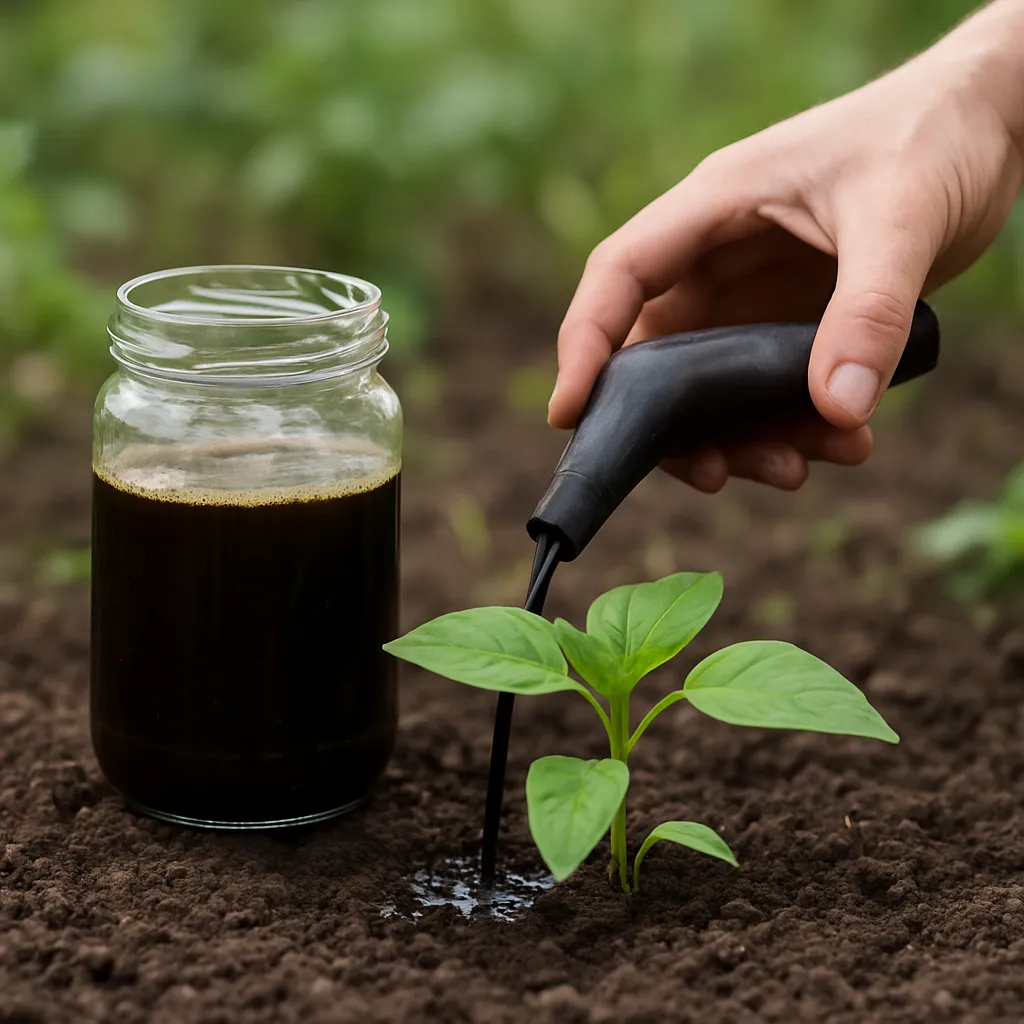
Compost tea has emerged as a versatile tool in modern agriculture, harnessing the power of beneficial microorganisms to boost soil vitality and plant vigor. By brewing a dynamic solution rich in nutrients and microbial life, farmers and gardeners can promote robust growth, improve disease resistance, and enhance overall field fertility. This article explores key strategies, application methods, and expert tips to maximize the benefits of compost tea in diverse agricultural settings.
Understanding Compost Tea and Soil Health
At its core, compost tea is a liquid extract derived from fully matured compost steeped in water, often with added oxygen or microbial food sources. The goal is to cultivate a concentrated population of beneficial microbes—including bacteria, fungi, protozoa, and nematodes—that work symbiotically to break down organic matter and make essential nutrients available to plants. Healthy soils teem with this living community, which regulates nutrient cycling, suppresses pathogens, and enhances soil structure.
The Science Behind Microbial Infusions
Successful compost tea relies on controlled aeration and optimal brewing conditions:
- Oxygenation: Introducing air via aquarium pumps maintains an aerobic environment, encouraging beneficial bacteria over harmful anaerobes.
- Temperature Management: Ideal brewing temperatures (20–25 °C) promote rapid microbial multiplication without fostering pathogens.
- Food Sources: Adding kelp, molasses, or fish hydrolysate supplies carbohydrates that feed target microbes.
- Brewing Duration: A 24–48-hour steep ensures high populations of active microorganisms without overgrowth of undesirable species.
By monitoring these parameters, growers can produce a potent brew that rejuvenates depleted soils and creates an environment where plants can thrive.
Benefits of Compost Tea for Plant Growth
Incorporating compost tea into crop management routines yields multiple advantages that span from enhanced nutrient uptake to stronger disease resistance.
- Improved Nutrient Availability: Active microbes convert organic compounds into plant-available forms such as nitrates, phosphates, and micronutrients.
- Disease Suppression: Antagonistic bacteria and fungi outcompete soil-borne pathogens, reducing the incidence of root rot, damping-off, and foliar diseases.
- Enhanced Root Development: Soil structure improves with microbe-produced glomalin, increasing aeration and water infiltration for deeper, more extensive root systems.
- Stress Tolerance: Plants treated with compost tea often exhibit greater resilience to drought, heat, and salinity stress, owing to balanced microbial interactions.
- Sustainable Fertility: Regular use can gradually reduce dependency on synthetic fertilizers, fostering a circular nutrient economy.
Effective Application Techniques
Foliar Sprays vs. Soil Drenches
Choosing the right application method determines how quickly plants reap the benefits:
- Soil Drench: Applying compost tea directly to the root zone encourages microbial colonization and immediate enhancement of soil health. Use rates of 10–20 L per 100 m² to establish robust microbial networks.
- Foliar Spray: Spraying leaves with a fine mist distributes beneficial microbes onto foliage, where they can outcompete pathogens and stimulate natural plant defenses. Ensure early morning or late afternoon application to avoid UV damage.
Timing and Frequency
Integration of compost tea into crop calendars optimizes its impact:
- Seedling Stage: A light drench encourages quick root establishment and early microbial symbiosis.
- Vegetative Growth: Weekly foliar sprays support vigorous leaf development and nutrient uptake.
- Flowering and Fruiting: Biweekly applications help maintain microbial density and disease suppression during critical production phases.
- Post-Harvest: Final soil drench replenishes microbial populations and initiates decomposition of crop residues.
Agricultural Tips and Best Practices
To ensure the consistent performance of compost tea in large-scale or small-holder agriculture, consider these professional recommendations:
- Quality Inputs: Start with well-aged, high-carbon compost free from herbicide residues. The diversity of feedstocks (manure, yard waste, green materials) enriches microbial communities.
- Clean Equipment: Sterilize tanks, pumps, and hoses between brews to prevent contamination by unwanted pathogens.
- Batch Consistency: Record brewing parameters—temperature, pH, oxygen levels, brewing duration—to replicate successful batches.
- pH Monitoring: Maintain tea pH between 6.5 and 7.5. Extremes can inhibit target microbes and diminish efficacy.
- Compatibility Testing: Before tank-mixing with insecticides or foliar nutrients, verify that additives do not harm microbial populations.
- Storage and Shelf Life: Use compost tea within 6–12 hours of brewing to capitalize on peak microbial activity. Storing for longer periods leads to oxygen depletion and microbial die-off.
- Field Trials: Conduct side-by-side trials comparing treated and untreated plots. Measure yield, disease incidence, and soil biology indicators to quantify benefits.
- Integrate with Crop Rotation: Pair compost tea applications with cover cropping and organic amendments to build resilient, self-sustaining ecosystems.
- Documentation: Keep detailed logs of application dates, rates, weather conditions, and observed outcomes to refine protocols season after season.
- Continuous Learning: Engage with local extension services, agronomy forums, and peer networks to stay updated on emerging research and regional best practices.
Maximizing Long-Term Soil Fertility
Regular integration of compost tea is most effective when embedded within a holistic sustainable management framework. Complement tea applications with physical soil health strategies:
- Reduced tillage preserves soil structure and microbial habitats.
- Diverse crop rotations disrupt pest cycles and improve nutrient cycling.
- Organic mulches and residue management conserve moisture and supply gradual carbon inputs.
- Periodic soil testing tracks organic matter levels, microbial biomass, and nutrient status.
By combining these practices with targeted compost tea use, growers can cultivate vibrant soils that support higher yields, improved crop quality, and a reduced environmental footprint.