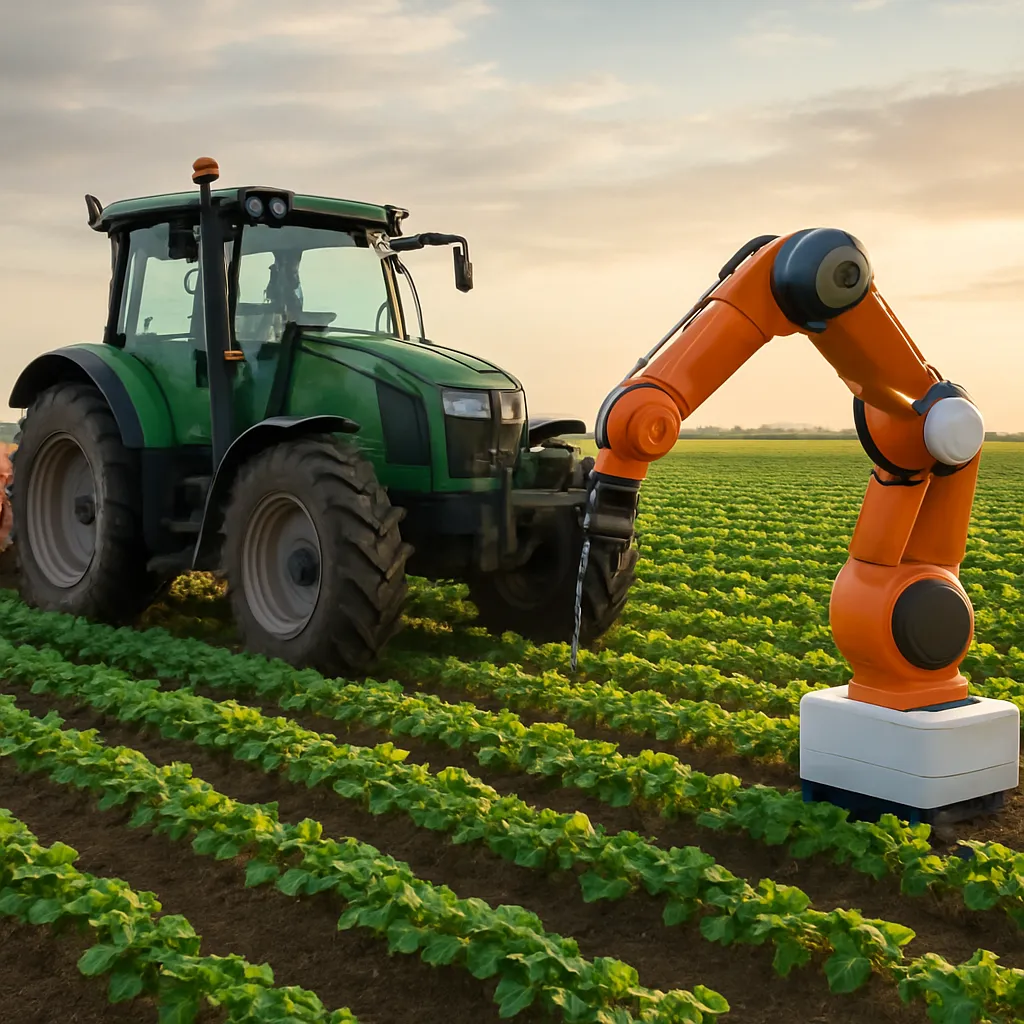
Farm automation is transforming agriculture by integrating cutting-edge technology to boost productivity, reduce labor costs, and optimize resource usage. This article explores how modern farms are leveraging automated systems, smart devices, and data-driven strategies to meet the growing demand for food while preserving the environment. Discover practical tips and real-world applications that can help farm managers and agronomists enhance their operations through innovation.
Enhancing Efficiency through Automation
Automating routine tasks on the farm can free up valuable time, allowing workers to focus on strategic planning and creative problem-solving. By investing in robotic and mechanized tools, farms can achieve higher throughput, consistent performance, and a significant reduction in manual errors.
Automated Machinery
- Robotics in planting and harvesting: Autonomous tractors and harvesters follow GPS-guided routes to plant seeds and collect crops with minimal human intervention.
- Automated milking systems: Robotic dairy units provide consistent milking schedules, improving animal welfare and milk yield.
- Drone-based crop monitoring: Aerial devices inspect large fields, capturing images that reveal growth patterns, pest infestations, and irrigation issues.
Labor Optimization
- Task scheduling software: Prioritizes daily activities, ensuring that critical operations like pesticide application and irrigation occur at optimal times.
- Remote monitoring: Sensors and cameras relay real-time information to mobile devices, reducing the need for constant on-site supervision.
- Automated feeding systems: Precisely measured feed portions delivered to livestock improve health and reduce waste.
Precision Agriculture and Smart Technologies
Precision agriculture uses targeted interventions to address specific field conditions. By combining sensors, satellite imagery, and advanced analytics, farmers can fine-tune inputs like water, fertilizers, and pesticides for maximum impact.
Soil and Crop Sensing
- Soil moisture sensors: Detect moisture levels at various depths, guiding irrigation schedules to avoid under- or over-watering.
- Nutrient sensors: Measure soil nutrient concentrations, enabling variable-rate fertilizer application that minimizes runoff.
- Multispectral imaging: Captures plant health indicators such as chlorophyll content and stress levels, identifying problem areas early.
Data-Driven Management
- Data platforms aggregate field information, creating actionable maps for planting density and input distribution.
- Machine learning models predict pest outbreaks based on weather patterns and historical data, allowing preventive measures.
- Yield mapping: Combines GPS coordinates with harvest data to reveal high- and low-performing zones for continuous improvement.
Sustainability and Resource Management
Modern agriculture must balance productivity with environmental stewardship. Automated solutions ensure resources are used responsibly, reducing the ecological footprint of farming operations.
Water Conservation
- Smart irrigation controllers: Use real-time weather data and soil moisture readings to apply water only when needed.
- Drip and micro-sprinkler systems: Deliver moisture directly to plant roots, reducing evaporation and runoff.
- Rainwater harvesting integration: Collects and stores natural precipitation for supplemental irrigation during dry spells.
Energy Efficiency
- Solar-powered equipment: Panels and batteries power pumps, sensors, and lighting, lowering reliance on fossil fuels.
- Variable-speed drive motors: Adjust pump and fan speeds to match demand, cutting energy consumption.
- Bioenergy systems: Convert agricultural residues into biogas or pellets, creating renewable on-farm fuel sources.
Practical Tips for Integrating Automation
Adopting automated solutions can seem daunting. Below are actionable recommendations for a smooth transition to a smarter, more profitable farm.
- Start small: Pilot a single automated system—such as an irrigation controller or drone survey—to evaluate benefits and challenges.
- Train staff: Provide hands-on training sessions so workers become comfortable with new interfaces and maintenance routines.
- Establish reliable connectivity: Ensure stable internet or LoRaWAN coverage for data transfer between sensors, machinery, and control centers.
- Partner with experts: Collaborate with agritech consultants who can recommend best-fit technologies based on your soil type, climate, and crop selection.
- Monitor ROI: Track input costs, yield changes, and labor savings to calculate the return on investment and guide future purchases.
Future Outlook and Profitability
As global demand for food rises, automated agriculture will become increasingly vital. Advances in artificial intelligence, robotics, and connectivity promise even greater precision and scale. By embracing these innovations, farmers can secure higher yield potential, lower production costs, and contribute to a more resilient food system.
Emphasizing continuous learning and incremental adoption, the agricultural community can harness the power of automation to drive sustainable growth and widespread connectivity among stakeholders. The future of farming lies in merging traditional expertise with modern tools to achieve unprecedented levels of productivity and environmental harmony.


