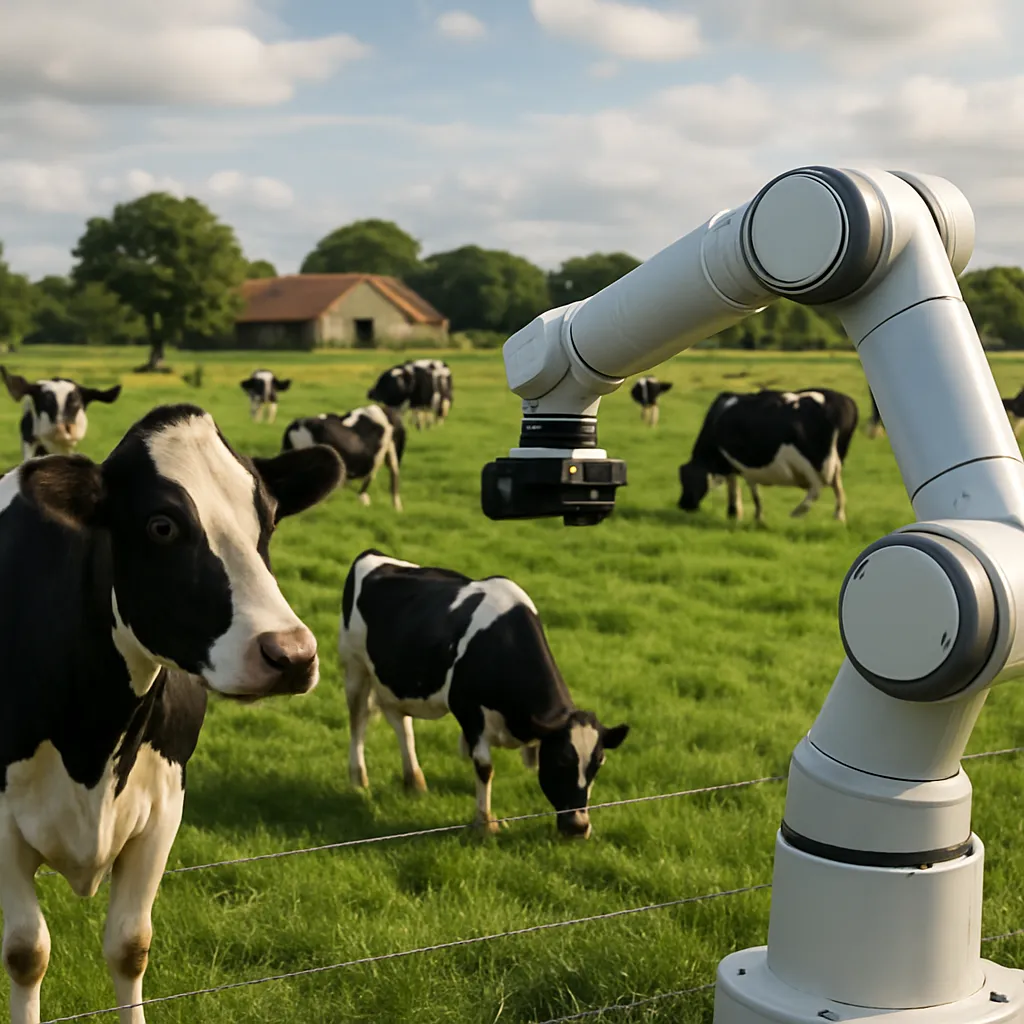
The integration of robotics within the livestock sector is revolutionizing the way farmers manage herds, monitor animal health, and optimize daily operations. By harnessing automation and advanced sensors, producers can reduce labor costs, improve feeding schedules, and enhance overall animal well-being. From robotic milking systems to autonomous feeding platforms, this transformation promises greater efficiency, minimized waste, and increased productivity across a variety of farming environments.
Integration of Robotics in Modern Livestock Management
The adoption of agricultural robotics has gained significant traction as farmers seek innovative ways to address labor shortages and rising production demands. Robotic systems can perform repetitive tasks with unwavering consistency, ensuring that each animal receives the proper diet, accurate medication, and timely milking. Automated equipment also operates beyond typical working hours, facilitating round-the-clock monitoring. As a result, operations become more resilient to staffing constraints and fluctuating market pressures.
Moreover, the proliferation of connected devices and the Internet of Things (IoT) enables seamless communication between machines, farm management software, and central control hubs. Real-time data collection and data analytics offer insights into herd behavior, environmental conditions, and feed conversion rates. Farmers can proactively respond to irregularities—such as changes in appetite or unusual movement patterns—before they escalate into serious health issues. By integrating robotics with digital platforms, livestock managers achieve a higher degree of precision in every facet of their operation.
Key Robotic Technologies Enhancing Animal Health and Productivity
Several leading-edge systems are transforming the livestock arena. These include:
- Robotic Milking Machines: Automated milking stalls that adapt to each cow’s udder shape and milking routine, ensuring uniform extraction and reducing stress.
- Autonomous Feeding Robots: Mobile units that distribute feed according to individualized rations, optimizing nutrient intake and minimizing feed wastage.
- Wearable Health Monitors: Ear tags or collars equipped with biosensors to track temperature, activity levels, and rumination, delivering alerts when anomalies arise.
- Drone Surveillance: Aerial platforms for overseeing large pasture areas, identifying injured or isolated animals, and mapping grazing patterns via thermal imaging.
- Automated Cleaning and Bedding Systems: Programmable scrapers and bedding dispensers that maintain hygienic barn conditions, reducing disease transmission and improving comfort.
Each technology leverages detailed optimization algorithms to adapt to changing farm dynamics. For instance, feeding robots adjust schedules based on seasonal variations, while milking units employ machine vision to detect mastitis symptoms early. Combined, these solutions foster a more sustainable approach to livestock care.
Practical Tips for Farmers Implementing Robotics
Introducing robotics into a livestock operation requires strategic planning, training, and ongoing evaluation. To maximize return on investment and ensure seamless integration, consider the following guidelines:
- Assess Farm Needs: Conduct a thorough audit of current workflows, identifying tasks with the highest labor intensity or error rates. Focus on automating those processes first.
- Budget and ROI Analysis: Compare upfront costs, maintenance fees, and software subscriptions against long-term savings from reduced labor and improved production metrics.
- Training and Support: Engage equipment vendors that offer comprehensive training programs for staff. Ensure team members understand routine troubleshooting and safety protocols.
- Connectivity Infrastructure: Guarantee reliable Wi-Fi or wired connections throughout barns and pasture zones. Uninterrupted network access is crucial for real-time data exchanges.
- Data Management Strategies: Implement centralized dashboards to track performance metrics. Regularly review alerts and trend reports to fine-tune machine settings.
- Maintenance Schedules: Develop preventative maintenance plans, including sensor calibrations and mechanical inspections, to avoid unexpected downtime.
- Scalable Expansion: Choose modular systems that can be scaled up or down in response to herd size fluctuations and evolving farm objectives.
By following these steps, farmers can avoid common pitfalls—such as underutilized equipment or costly downtime—and position their operations for sustained growth. Collaboration with agritech consultants and peer networks also provides valuable insights into best practices.
Future Trends and Sustainability in Agricultural Robotics
Looking ahead, the convergence of artificial intelligence, machine learning, and renewable energy sources is set to elevate livestock management to new heights. Advanced AI-driven robots will not only execute tasks but also learn optimal behaviors over time, anticipating animal needs and environmental shifts.
Key trends to watch include:
- Energy-Efficient Robotics: Solar-powered charging stations for mobile units, reducing reliance on grid electricity and cutting operational costs.
- Swarm Robotics: Cooperative fleets of smaller robots that collaborate on feeding, cleaning, and monitoring duties, ensuring coverage across vast ranges.
- Enhanced Sensor Fusion: Integration of biochemical, acoustic, and visual data to deliver a comprehensive health index for each animal.
- Blockchain Traceability: Secure, transparent supply chains that record each animal’s care history, from birth to market, fostering consumer trust.
As these innovations mature, livestock producers will benefit from sharper insights into herd performance, heightened animal well-being, and more eco-friendly operations. The synergy of robotics and sustainable farming practices will pave the way for a resilient, high-yield agricultural sector.