Agriculture has entered a new era propelled by robotics and cutting-edge innovations that reshape every aspect of farm life. From planting to harvest, farmers leverage automation to boost efficiency and meet increasing global food demands. This article explores the latest breakthroughs in mechanical helpers, practical agriculture tips, and the transformative synergy of precision tools and data.
Precision Farming Enhanced by Robotics
Adopting precision techniques allows growers to allocate resources—water, fertilizer, and pesticides—exactly where they are needed. Modern robotic sprayers and seeders use advanced sensors to map fields at centimeter-level accuracy. This reduces waste, protects the environment, and elevates crop yield.
Key components of a precision-driven robotic system:
- High-resolution cameras and sensors that detect plant health.
- GPS guidance modules for automated, straight-line planting.
- Variable-rate technology to adjust inputs on the fly.
Farmers report that integrating these machines can improve input efficiency by up to 30%. Focusing on sustainability and resource management, precision farming aligns perfectly with both environmental and economic goals.
Autonomous Machinery Transforms Field Operations
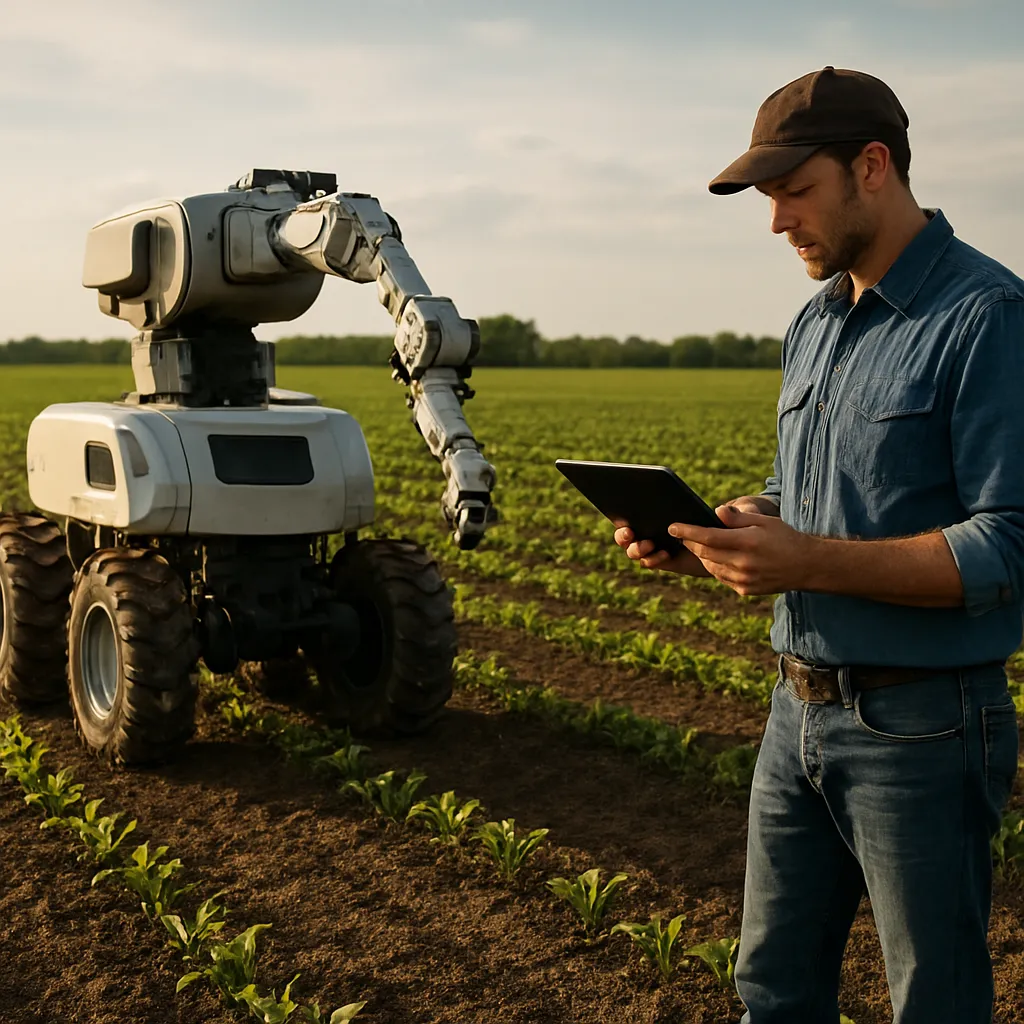
Self-driving tractors and harvesters eliminate the need for manual guidance, enabling round-the-clock field work. These vehicles rely on real-time kinematic (RTK) GPS positioning and onboard AI to navigate obstacles and avoid damaging crops.
- Tractor bots equipped with LIDAR and ultrasonic sensors for collision avoidance.
- Robotic harvesters that recognize fruit ripeness through computer vision.
- Automated weeding systems using mechanical arms to remove weeds without herbicides.
One case study showed that robotic tomato pickers increased harvest speed by 40% while reducing bruising. Deploying these machines in combination with human labor creates a hybrid workforce optimized for safety and consistency.
Integrating Data Analytics and Robotics
Data is the backbone of modern agriculture. Robotic platforms generate massive streams of information—from soil moisture levels to plant growth metrics. Farmers can tap into cloud-based dashboards that apply data analytics and machine learning to forecast yields and recommend adjustments.
Benefits of a data-driven approach:
- Predictive maintenance alerts for machinery, reducing downtime.
- Real-time soil monitoring for optimized irrigation schedules.
- Forecast modeling that anticipates pest outbreaks before they spread.
By harnessing the synergy between smart machines and analytics, growers improve decision-making and maintain consistent quality across seasons.
Practical Agriculture Tips for Robotic Integration
Successful adoption of robotics requires careful planning and incremental steps. Below are essential tips to ensure a smooth transition:
- Invest in training for farm personnel to handle and troubleshoot equipment.
- Start with modular robotic units that address one task—seeding or spraying—before scaling up.
- Ensure robust connectivity across fields; reliable Wi-Fi or 4G/5G networks are critical.
- Implement rigorous data backup protocols to protect generated information.
- Partner with reputable vendors offering responsive technical support.
With these guidelines, even small-scale operations can harness the power of robotics and maximize returns on investment.
Improving Soil Health with Robotic Solutions
Maintaining soil health is paramount for long-term productivity. Robotic platforms can perform non-invasive sampling and deliver targeted amendments at precise depths. Innovations include proton-induced X-ray fluorescence probes and micro-drill rigs that assess nutrient composition on the go.
- Automated soil sampling robots for real-time nutrient analysis.
- Robotic tillers that minimize soil compaction by distributing weight evenly.
- Subsurface irrigation bots injecting water directly into root zones.
These technologies protect the delicate soil ecosystem, promote biological activity, and reduce erosion, ensuring sustainable yields year after year.
Advancing Sustainability Through Robotics
Robotic systems play a pivotal role in advancing sustainability. Precision application of inputs lowers chemical runoff and conserves water. Autonomous machines can also be powered by renewable energy—solar-charged units are becoming increasingly common for remote monitoring.
Key sustainability advantages:
- Lower carbon footprint from optimized fuel usage and electric drivetrains.
- Reduced chemical usage through spot treatments and real-time diagnostics.
- Enhanced biodiversity by preserving buffer zones and reducing broad-spectrum spraying.
By aligning robotics with eco-friendly practices, farmers can generate higher profits while protecting natural resources.
Challenges and Looking Ahead
While promising, robotics in agriculture still faces hurdles. High upfront costs and technical complexity can deter some growers. Ensuring interoperability between different brands and platforms is another critical challenge.
Future developments to watch:
- Advances in automation that reduce hardware costs and increase adaptability.
- Open-source software platforms that standardize communication protocols.
- Breakthroughs in affordable AI chips for onboard processing.
As these technologies mature, we can expect wider adoption across farms of all sizes. The fusion of robotics, data analytics, and sustainable practices promises a new era of productivity and environmental stewardship.