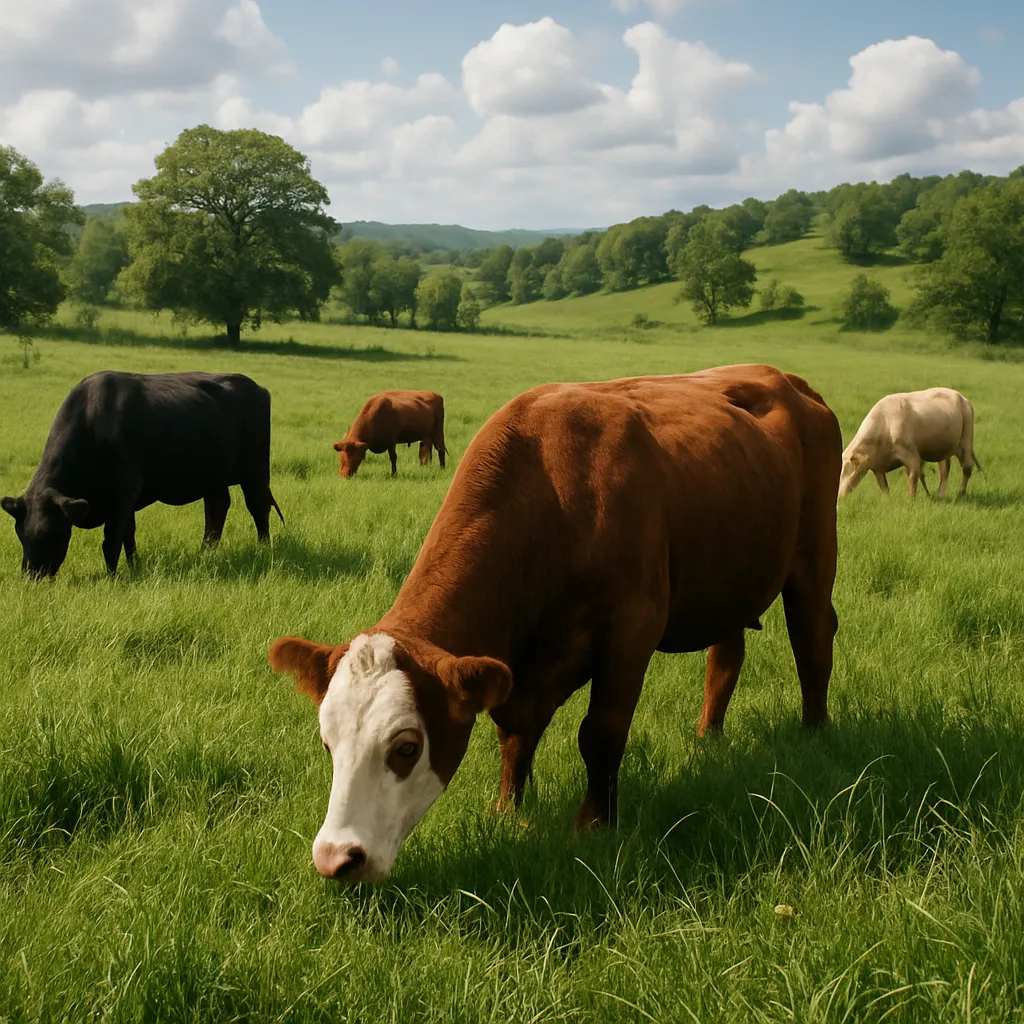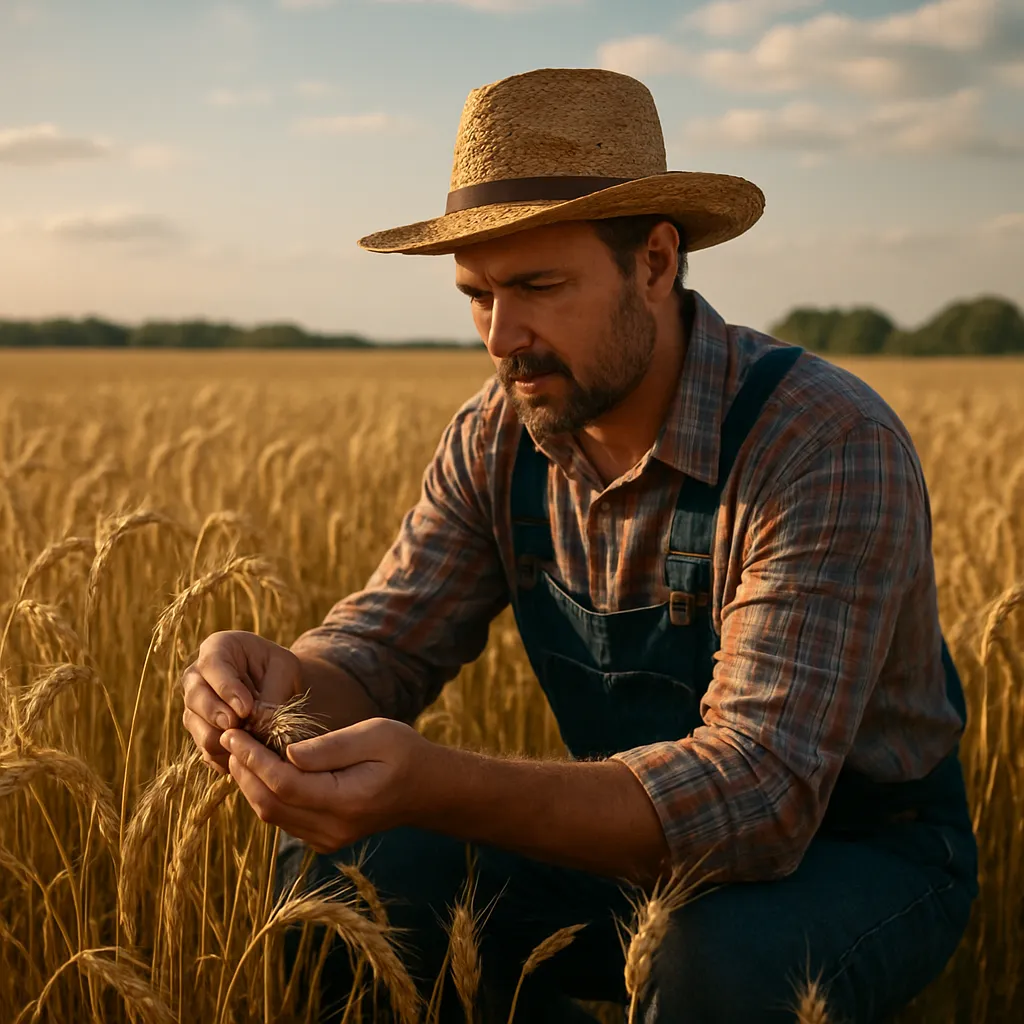
Across rural landscapes and urban outskirts, individuals dedicated to cultivating the land ensure that communities thrive and populations are nourished. The Role of Farmers in Achieving Food Security explores how those who work the soil, tend livestock, and harness natural resources contribute to a stable and resilient global food system. By examining key factors such as sustainability, innovation, and traditional knowledge, we can appreciate the essential tasks farmers undertake every day to safeguard our collective future.
The Pillars of Modern Agriculture
The foundation of a dependable food supply rests on three main pillars: productivity, environmental stewardship, and social responsibility. Farmers must balance these interconnected elements to maintain long-term viability.
- Productivity: Achieving high crop yield and livestock outputs without exhausting resources.
- Environmental Stewardship: Protecting water, soil, and biodiversity to preserve ecosystems for future generations.
- Social Responsibility: Supporting rural communities, fostering fair labor practices, and ensuring equitable access to nutritious food.
By integrating precision tools and age-old techniques, farmers optimize inputs—such as fertilizers, water, and labor—while reducing waste. This synergy of modern technology with time-tested wisdom builds a resilient system capable of adapting to evolving challenges.
Innovative Farming Practices
Adoption of advanced methods and technologies has revolutionized agriculture, transforming small plots into high-efficiency operations:
Precision Agriculture
- Use of drones and GPS mapping to apply water and nutrients exactly where needed, cutting costs and environmental impact.
- Soil sensors that monitor moisture levels, enabling farmers to optimize irrigation schedules and conserve water resources.
Integrated Pest Management (IPM)
- Combining biological controls, crop rotation, and targeted chemical applications to reduce pesticide use while safeguarding crop health.
- Encouraging beneficial insects and natural predators to maintain a balanced ecosystem.
Agroecology and Permaculture
- Designing farming systems that mimic natural processes to improve soil health and biodiversity.
- Incorporating perennial plants and multi-cropping to create self-sustaining environments with minimal external inputs.
By experimenting with diverse approaches, farmers boost resilience to pests, diseases, and variable weather conditions, ultimately strengthening food security at the local and global levels.
Sustainable Agriculture Tips
Practical steps can be implemented by both smallholder farmers and large-scale producers to promote long-term productivity and ecological balance:
- Rotate crops annually to prevent nutrient depletion and break pest cycles.
- Adopt cover cropping with legumes to naturally fix nitrogen and protect soil from erosion.
- Implement no-till or reduced-till practices to preserve soil structure and carbon content.
- Maintain hedgerows and buffer strips to shelter wildlife and enrich biodiversity.
- Invest in rainwater harvesting and efficient drip irrigation to optimize water use.
Such strategies contribute to a robust farming system that is less dependent on synthetic inputs, more resistant to climate change, and more profitable in the long run. Farmers who embrace sustainable methods not only protect natural resources but also open avenues for premium markets and certifications.
Empowering Farmers Through Education and Support
Knowledge sharing and institutional backing are vital for enhancing agricultural outcomes:
Extension Services and Training
- Government and non-governmental programs offering workshops on best practices and new technologies.
- On-farm demonstrations that allow producers to witness the benefits of innovative techniques firsthand.
Access to Finance and Insurance
- Microloans and credit schemes tailored for small-scale farmers to invest in equipment and seeds.
- Agricultural insurance products that mitigate financial risk from droughts, floods, or pest outbreaks.
Cooperatives and Farmer Networks
- Collective marketing cooperatives that enhance bargaining power and reduce transaction costs.
- Peer-to-peer platforms for exchanging seed varieties, tools, and practical advice.
Strong institutional frameworks help farmers navigate market fluctuations, adopt new innovations, and build resilience. Empowered producers become agents of change, fostering community well-being and national development.
Overcoming Challenges and Building Resilience
Despite advancements, agriculture faces persistent obstacles that threaten food availability and quality:
- Extreme weather events, including floods, droughts, and storms driven by global warming.
- Soil degradation and salinization, which reduce land productivity.
- Rising input costs for fuel, fertilizer, and farm labor.
- Market volatility influenced by global trade policies and supply chain disruptions.
To confront these issues, farmers and stakeholders must:
- Invest in climate-smart infrastructure, such as flood-resistant storage and drought-tolerant seed varieties.
- Enhance genetic diversity through seed banks and breeding programs to insure against pests and diseases.
- Promote policy frameworks that incentivize conservation practices and fair pricing.
- Foster public-private partnerships for research, distribution networks, and education campaigns.
By implementing comprehensive strategies, the agricultural sector can strengthen its resilience and ensure stable food supplies even under adverse conditions.
The Future of Farming and Food Security
Looking ahead, agriculture will continue to evolve in response to demographic shifts, environmental pressures, and technological breakthroughs. Key trends to watch include:
- Adoption of artificial intelligence and robotics to perform labor-intensive tasks efficiently.
- Vertical and urban farming systems that bring production closer to consumers and reduce transport emissions.
- Biotechnology innovations that enhance crop resilience, nutritional value, and resource-use efficiency.
- Blockchain applications in supply chains to improve traceability and reduce waste.
Ultimately, collaboration between farmers, researchers, policymakers, and consumers is essential. By valuing the expertise of those who cultivate the land and integrating cross-sector solutions, societies can achieve lasting food security and promote prosperity for all.